
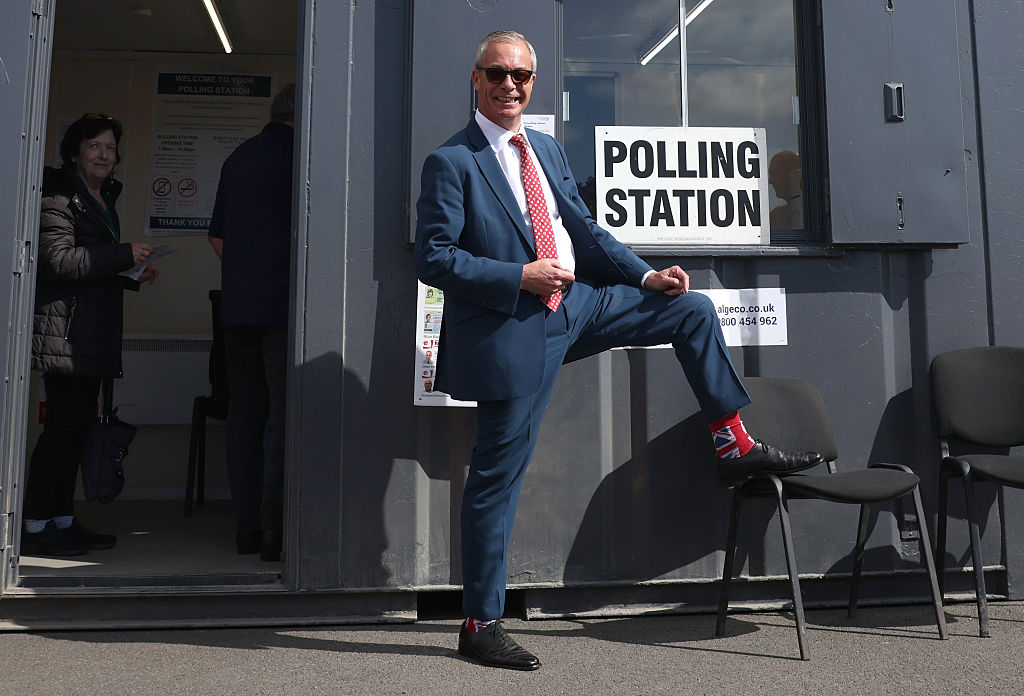
Only around a fifth of the English local election results have been declared, with many more councils left to count through Friday and into the weekend – but one conclusion is already difficult to avoid.
These are deeply troubling results for Labour in many of the battlegrounds that matter most. Chorley, Wigan and Tameside – once reliable Labour territory – have all seen major advances for Reform UK. Hartlepool, symbolic of the Conservatives’ 2021 breakthrough in the so-called Red Wall, has also swung heavily towards Reform. In Grimsby, often cited as evidence of Labour’s recovery among white working-class voters, the party has suffered severe losses.
The picture suggests a significant political realignment across northern and central England. But the shift is not confined to those regions. In Portsmouth, which returned two Conservative MPs only a few years ago, the party has been reduced to the margins. Reform narrowly led on vote share, but the Liberal Democrats took overall control of the council in one of their most significant gains of the night.
In Reading and Oxford, however, Reform has failed to gain traction, polling below 10 per cent in many wards. Instead, it is the Greens who appear to be benefiting from frustration over the cost of living and dissatisfaction with the main parties. In Reading they finished ahead of Labour, while in Oxford they made gains in student and inner-city wards. Labour’s remaining strength was concentrated largely on the outskirts.

Exeter is another example of how Labour is losing support from multiple directions at once. In Mincinglake, Labour’s vote share fell sharply from 60 per cent to 24 per cent, pushing the party from first place to third. The Greens increased their support substantially, but Reform won the ward outright. In St Thomas, Labour dropped from first to fourth place.
Whether Labour’s losses ultimately reach historic proportions remains unclear. Speaking on the BBC, John Curtice pointed out that setbacks in parts of London were not as severe as some had expected, suggesting the overall picture for Labour may yet prove less dramatic than early results imply. Merton in particular appears to have held up relatively well for Labour, despite being a top Liberal Democrat target.
Even so, there are signs of a Labour retreat in the capital. The Conservatives have regained control of Westminster Council from Labour. Meanwhile, the Liberal Democrats won big in Richmond-upon-Thames, consolidating their dominance in south-west London.
The results so far indicate there are two different insurgent movements reshaping local politics. In northern England, Reform has emerged as the principal challenger. In parts of the south and university towns, the Greens are making significant gains instead, while the Liberal Democrats continue to advance strongly in suburban and affluent southern areas.
One of the most striking features of the elections so far is turnout. During the height of Ukip’s rise, lower turnout often favoured insurgent parties, while higher participation tended to advantage the political mainstream. These elections may suggest that dynamic has changed. Higher turnout now appears to be benefiting anti-establishment parties rather than containing them.
For the Conservatives and Labour alike, the early results amount to a serious warning. For Reform, the Greens and the Liberal Democrats, they suggest an increasingly fragmented and unpredictable political landscape.
[Further reading: Is it finally time for proportional representation?]
Content from our partners


Related


Join the debate
Subscribe here to comment