
With the lack of overnight counts, particularly in Scotland and Wales, I will be getting a good sleep tonight before waking up to the first results of the local elections early tomorrow. The NS politics team will be taking you through the fallout blow by blow on our website over the weekend so stay tuned for that.
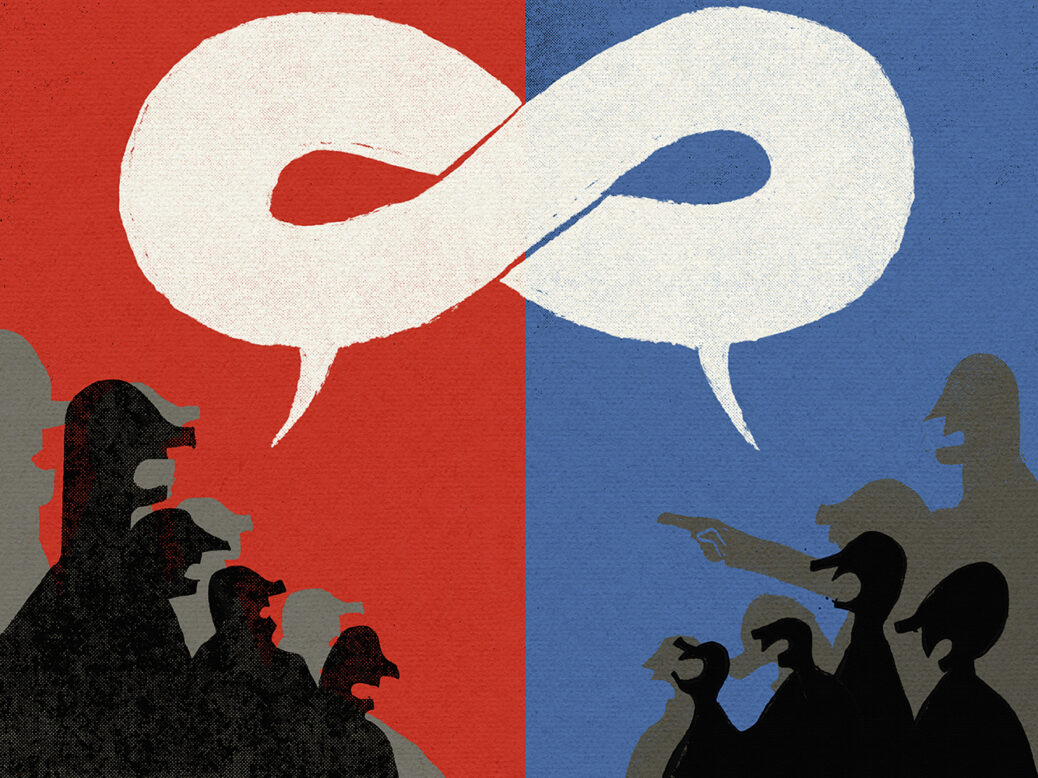
There is much talk of how we will be living in a new political reality after these “mid-terms”, with the main focus in the papers on a possible change of Labour leader. But another new political reality will be how the parties that have so viciously fought in this election learn to live with each other after the dust has settled.
The biggest winner of today in England might yet be “no overall control”, and across the country the mortal enemies on the left (Labour vs Green) and the right (Tories vs Reform) will have to come to an agreement on how the councils are run. Despite all the bluster about no pacts or agreements with Reform, the Conservatives may well have to build strong working relationships with Nigel Farage’s party, and it will be worth keeping an eye on whether this leads, in time, to a national coalescence between the two parties of the right in the run up to the next election.
Likewise in Scotland, Anas Sarwar’s best hope of becoming First Minister will be relying on Tory, Reform and Lib Dem votes at Holyrood; in Wales, parties of the left will coordinate to exclude Reform from government (though these two options presume that there won’t be outright nationalist majorities, a disaster for Labour that is still quite possible).

When the noisy and sometimes vicious politics of the campaign fades away, so-called rivals will have to start talking to each other.
This piece first appeared in the Morning Call newsletter; receive it every morning by subscribing on Substack here
[Further reading: Britain is still breaking up]
Content from our partners


Related

Join the debate
Subscribe here to comment