Britain today is missing a golden opportunity – one that would boost public finances, unlock investment across every region, and strengthen the competitiveness of our economy. I’m talking about tax-free shopping.
At first glance, tax-free shopping might sound like an issue limited to a handful of luxury stores in the West End of London. In reality, it affects the entire visitor economy and is a proven economic growth lever – one we urgently need to pull.
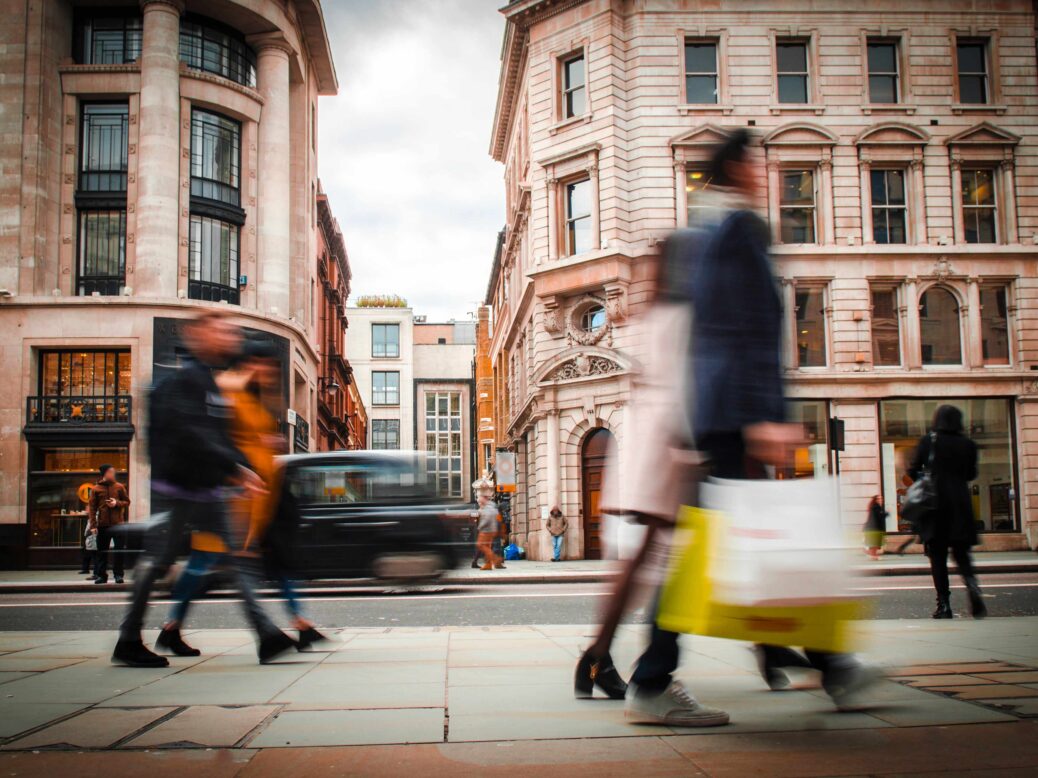
It is a tool for attracting international visitors, unlocking billions in spending, and spreading prosperity beyond London to high streets, retail outlets, hotels and hospitality businesses across the UK.
The evidence is overwhelming. Since the last government foolishly scrapped VAT rebates in 2021 – a move dubbed the “tourist tax” – shoppers have voted with their wallets. The UK’s post-pandemic tourism recovery lags behind its rivals.

Last year, visitor numbers stood at 96 per cent of 2019 levels, compared with 102 per cent in Spain and over 110 per cent in France. The figures on tourist spending are even starker: spending here was just 92 per cent of pre-pandemic levels last year, compared with 106 per cent in Spain and 110 per cent in France.
British shoppers are also taking advantage of tax-free shopping in the EU. Association of International Retail (AIR) data shows UK spending on VAT-free shopping in Europe rose from £147m in 2021 to £742m in 2024 – an impressive, fivefold increase, even allowing for 2021 pandemic travel restrictions.
Paris now accounts for over a quarter of all British tax-free purchases in the EU, with UK hotel stays there 230 per cent above pre-pandemic levels.
The result is a new market for our competitors. European cities are seeing a boom in shopping-led tourism while the UK loses out, not just in London but across the hospitality, cultural, manufacturing, logistics and retail sectors. We are diverting an estimated £2bn of spending away from British high streets to shops in Paris, Milan and Madrid.
Reinstating tax-free shopping could transform this picture. For the first time, the UK could offer VAT rebates to all 450 million EU residents as well as to visitors from the rest of the world – making us the only European country with such an offer.
That is a competitive advantage no rival could match. AIR’s submission to the Department for Culture, Media and Sport estimates this could generate £3.65bn annually from the EU market and £2bn from the rest of the world.
That would create at least 73,000 new jobs – most of them outside London – based on the British Retail Consortium’s measure of one retail job per £50,000 of spending.
Shopping accounts for 25 per cent of all international visitor spending, according to the most recent data, more than hotels, restaurants or transport. And for every £1 spent tax-free, visitors spend £4 on VAT-rated goods and services – dining, entertainment, transport, tours. The result is a net gain for the Treasury.
AIR calculates that restoring VAT-free shopping would generate more than £500m in extra VAT receipts each year. It’s a rare policy that boosts jobs, investment and tax revenues all at once, benefiting retail, hospitality, leisure and cultural institutions.
The gains would be nationwide. Half of EU visitor spending already happens outside London, with many tourists arriving through regional airports. Bicester village in Oxfordshire, outlet centres in Cheshire and Somerset, and high streets in Edinburgh, York and Cardiff would all benefit. This is one of the simplest ways to stimulate regional investment and support the government’s levelling-up agenda.
That’s why more than 500 business leaders – from Primark, Burberry and Marks & Spencer to the Royal Opera House and Shakespeare’s Globe – are urging Chancellor Rachel Reeves to act.
The government must now decide: does Britain remain the only major European country without tax-free shopping, losing shoppers, tourists and investment to our rivals? Or should we reclaim our status as the shopping capital of the world and seize a genuine Brexit dividend?
If Britain becomes the only European destination where all international travellers can shop tax-free, we also become the prime location for global investors, brands, retailers, hoteliers, restaurateurs and cultural organisations to expand.
The Department for Culture, Media and Sport is preparing a new visitor economy growth plan this autumn, promising to pull every lever to promote growth. Here is one that is not only available but ready-made, and will deliver rapid returns for the economy.
At this stage, all AIR is asking the Chancellor to do is to conduct a proper Treasury review of the economic case for tax-free shopping based on the new data that has now become available. This is a cost-free policy that would not commit the government to anything until the Treasury is as confident of the data as we are. It would surely be perplexing for a government committed to evidence-based growth policies to ignore new evidence?
This would put UK businesses back on a level playing field with those in the EU. It would be a fiscally positive, business-backed and regionally inclusive growth strategy that supports investment, strengthens public finances and bolsters the UK’s global appeal.
The UK has the fundamentals: heritage, culture, innovation and international influence. These keep Britain as a top-ten global destination for international visitors. But without tax-free shopping, all the evidence shows visitors increasingly come here for sightseeing and save their big purchases for tax-free destinations just across the Channel.
Reintroducing tax-free shopping isn’t about returning to the past. It’s about building a more competitive, dynamic and prosperous future – for all regions, for all sectors, and for the country as a whole.
We have a chance to deliver a growth policy that creates jobs, drives investment and enhances Britain’s global appeal. We must not let it slip away.
Related