
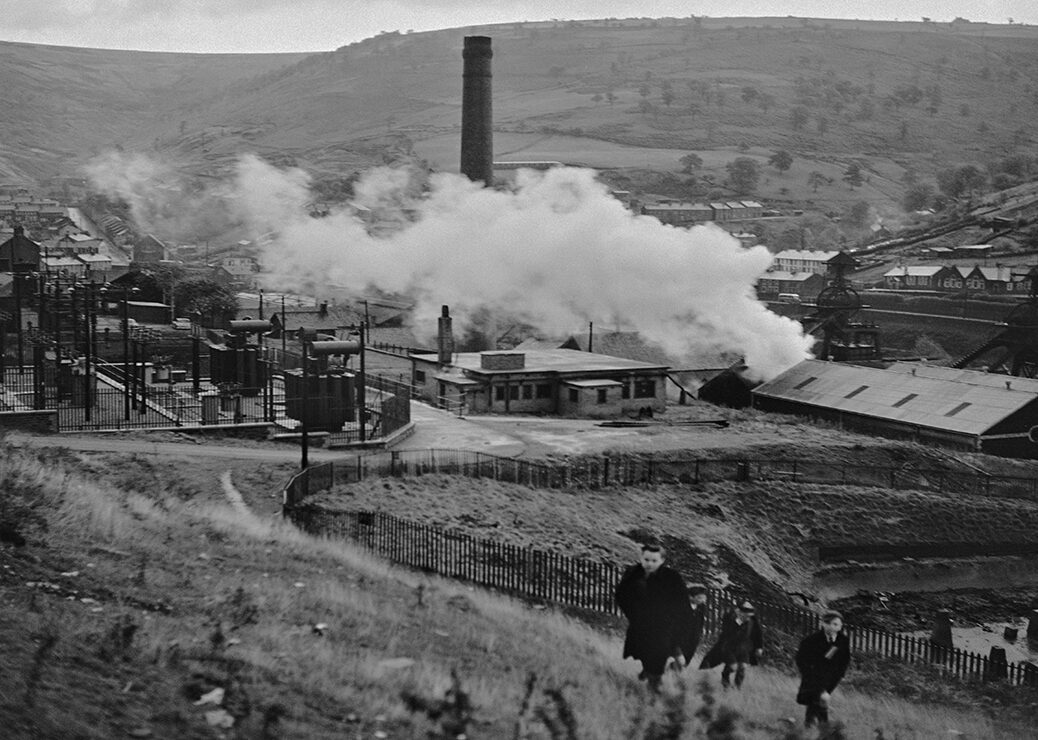
The Caerphilly by-election was, at its heart, about local people seeing the danger of the forces of the populist right and bravely telling them where to get off. Ordinary decency stood up to aggressive populism.
There is hope for the future yet. Though of course there is the small matter that the Labour Party took a drubbing, and I, at this time, am a Labour Party candidate for the Senedd (Welsh Parliament) next year in neighbouring Newport and Islwyn (Islwyn is part of the same Caerphilly Council area as the Caerphilly by-election.)
I should, by any measure, be petrified that the long hours, and years, of hard work could all be for nothing. A wasted effort and historic defeat beckon. Yet I cannot help but feel more relaxed about the situation than one might first think.
Yes, the result was a bad one for Welsh Labour but it also points to the future of Welsh voting behaviour. The sheer strength of feeling when Reform came to town is remarkable. This feeling will, in all likelihood, rescue the Labour Party in many areas where it may otherwise struggle as the anti-Reform vote coalesces under the new voting system to keep them more firmly at bay than their original, carefully laid plan set out.

Voters didn’t turn away from Labour because of ideology. They drifted off because they’ve stopped feeling heard. Welsh Labour and the UK party both share that responsibility: Welsh Labour for unpopular decisions like the implementation of the new default 20mph speed limit and increasing the size of the Senedd from next year. UK Labour, meanwhile, must take the blame for some of its “tough decisions” on social policy such as ending the universality of the Winter Fuel Allowance and proposed welfare reforms that would have an outsized impact on a part of the UK that’s older and sicker than most of the country.
To recover, we need to stop moralising about voters’ choices and start fixing our own.
The Caerphilly result reflects not a rejection of devolution, or simply Farage and Reform UK, but a disillusionment with how power has been used both in Cardiff Bay and Westminster.
After 26 years in government, Welsh Labour carries the baggage of incumbency, and policies that once signified principle now signify distance. People see a government that talks about reforming voting systems while GP appointments are a challenge, and classrooms don’t deliver educational attainment like they used to under the same party.
In recent years, Welsh Labour has looked and sounded like a government running out of imagination. Too much of its energy has been spent on the architecture of politics – discussing structures, candidate selections and internal committees – rather than the substance of change. On the doorsteps it feels like noise against a backdrop of public services struggling in post-pandemic malaise. Trust me, I am a regular doorknocker for the cause.
Voters don’t doubt Labour’s values and still deep down want the party to do well in government. They would like some stability after years of instability. But the connection between the policy responses in Cardiff Bay and the realities in their towns has broken down.
The drift isn’t ideological, it’s psychological. Labour in Wales has lost its instinct for focus.
The next six months will determine whether Welsh Labour can rediscover its voice. That doesn’t mean slogans; it means a story. The party must speak again to work, dignity, and local pride not as abstract ideals, but as tangible promises.
The story of modern Wales shouldn’t be one of managed decline, either. It should be one of recovery built on clean energy, advanced manufacturing and community renewal. Labour has to show that it still believes in the call to adventure that devolution offered when first delivered in 1998.
This also means changing tone. Voters are tired of being talked down to. They don’t need lectures on reforming institutions, refillable drinks or banning things, they need to see a party that listens, that admits when things aren’t working, and that’s confident enough to change course. “Delivery” shouldn’t mean spreadsheets. It should mean shorter waiting times, better opportunities for young people and better pay.
If Labour can get that message right: competent, hopeful, and grounded in the reality of people’s lives, it will find that the loyalty of Wales isn’t lost. It’s just waiting to be earned again.
Every political generation faces a moment when it must refresh its purpose. For Welsh Labour, that moment has arrived.
The next 25 years can be a story of renewal, of a confident Wales leading in the industries of the future, if we focus on what we do best: practical progress grounded in fairness.
Economic leadership: backing Welsh enterprise and industry to create the next generation of good jobs, from steel and semiconductors to clean energy and digital innovation. Cardiff continues to be one of Wales’ great success stories, along with Newport’s silicon cluster. The question is: how do we expand on this success?
We need to rebuild pride in public services by getting the everyday basics right again in hospitals, classrooms, local services and transport. We need to invest in opportunity, productivity and community strength.
These are not new slogans but enduring values – Labour’s values.If the party can approach the next era in that spirit, it can once again define the “Welsh way”: practical, decent and ambitious about the nation’s future. The alternative drift towards grievance and populism would not just be a defeat for Labour, but for devolution itself.
The Caerphilly result was at once a warning and a gift. It has stripped away the comfort of assumed loyalty and forced Welsh Labour to look in the mirror. The lesson is not that Wales has fallen out of love with Labour, but that love has turned conditional. It can be won back.
Our politics sometimes forgets that decency requires people to fight to guarantee it.
The challenge for Labour now is to prove that government can too.
Reports of Welsh Labour’s death, in other words, have been greatly exaggerated. The triage has begun: the leadership’s choice now is whether to read the diagnosis and recover, or ignore it and drift into irrelevance.
This article is written in loving memory of Dr Hefin David MS
[Further reading: Unpacking Labour’s humiliation in Caerphilly]
Content from our partners



Related


Join the debate
Subscribe here to comment