
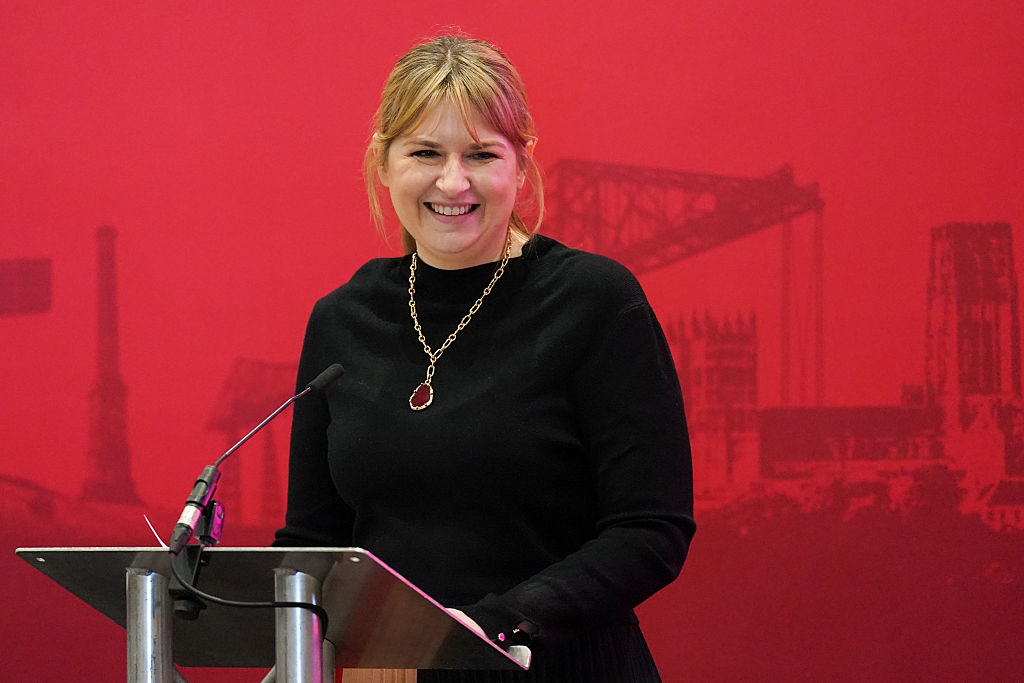
In the wake of a damaging set of local elections, Labour MPs are beginning to think about what comes next. According to the New Statesman’s rolling-tracker, at the time of writing 37 MPs have called on Starmer to resign. On Saturday (9 May) Catherine West, the Labour MP for Hornsey and Friern Barnet, said she would stage a challenge to Keir Starmer’s leadership on Monday (11 May), unless members of the cabinet remove him imminently. West’s challenge – if it is successful – could trigger the first Labour leadership election since Starmer was elected in 2020. So what would a Labour leadership election look like?
How is a leadership election triggered?
The most straightforward – and most common – way for a leadership election to begin is by the resignation of the current leader. The last Labour leadership election in 2020, which Starmer won, was triggered by the resignation of Jeremy Corbyn after the party lost the 2019 general election. Currently Starmer is showing no signs he plans to step down (he told the Observer in an interview on 10 May he intends to be in the role for a further eight years). But that does not mean he can’t be challenged.
The current Labour Party rulebook states that where there is no vacancy in the party leadership, potential challengers must seek the support of 20 per cent of Labour MPs – which equates to 80 backers – in order to get onto the ballot paper. Nominations must be submitted in written form to the general secretary of the Labour Party (currently Starmer ally Hollie Ridley). Bids that do not pass the nomination threshold will be declared “null and void”.
Speaking to the New Statesman yesterday, West told my colleague Ethan Croft she hadn’t “even looked at the rules” before staging her challenge. Privately, some MPs have told me they think West will get the 80 nominations required for her bid to go ahead.

Challenges can only be posed by sitting Labour MPs (hence why Andy Burnham’s backers are so keen for him to get a seat in the Commons as soon as possible). As the current leader of the party, Starmer would automatically make it onto the ballot paper, and would not be required to seek the nomination of 80 MPs.
In the next few days – if West’s challenge receives the backing of 80 MPs, and an election is triggered – we could see other potential leadership hopefuls setting out their own bids. West could then withdraw from the race to allow other candidates to run, her “stalking horse” challenge having been completed.
How does an election work?
If a challenge has been successful, a leadership election will be called. Ridley, as the returning officer, will need to appoint a deputy – usually drawn from the party’s legal advisors – who will advise on matters of eligibility or procedure. She will also need to appoint an Independent Scrutineer who will verify the ballots and approve the election timetable.
The timetable will be decided by Labour’s ruling National Executive Committee (of which Starmer is a member). The 2025 deputy leadership election – triggered by the resignation of Angela Rayner last year – was completed within seven weeks of her departure.
Who gets a vote?
During Ed Miliband’s leadership, the party’s internal system was changed to one-member-one-vote. In 2015, this caused particular controversy after members were able to become registered supporters for £3 and receive a vote. The rules were tightened in 2016, with the cost of becoming a registered supporter raised to £25, with potential voters only given a two-day window in which to become a supporter.
However, in 2021, the registered supporter category was abolished following a vote at the party’s conference. Now only party members and affiliates are permitted to vote. The voting system remains one-member-one-vote, with members asked to rank their preference for party leader.
Once voting has been completed, the candidate who receives more than half the votes apportioned will be elected. If no candidate makes it over this threshold on the count of first preference votes, then the candidate with the fewest votes is eliminated, and their votes are redistributed to voters’ second preference candidates. This continues until one candidate has over 50 per cent of votes.
Is an election imminent?
With so many disgruntled MPs calling out for change, could West garner the support needed to trigger the first Labour leadership election for six years? Meanwhile, it remains to be seen whether members of Starmer’s cabinet listen to her ultimatum and encourage the Prime Minister to set a timetable for his departure. The next 24 hours will determine whether a Labour leadership contest is about to take place.
[Further reading: Will there be a Labour leadership election?]
Content from our partners



Related

Join the debate
Subscribe here to comment