
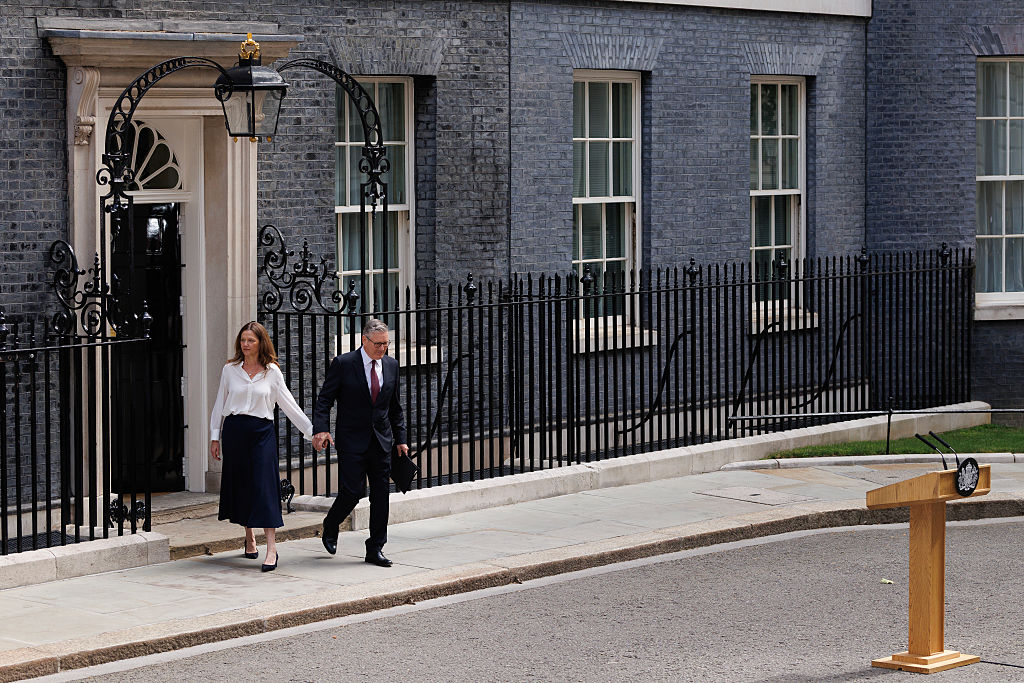
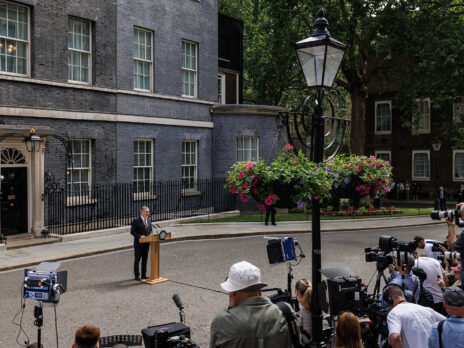
It’s a Monday morning, the Prime Minister is on the podium and he’s talking about “a page in country’s history turned, after years of disappointment and despair”. And for viewers who have just tuned in, he’s referring to the 14 years of disappointment and despair under the Tories, not the ensuing two years of disappointment and despair under Labour. In the background, the speakers of Britain’s most selfish political nuisance, Steve Bray, ensure that yet another historical moment is irrevocably cheapened. Over the din – can we really not just arrest that guy? would anyone mind, other than him? – Starmer lists his achievements in the fashion familiar from his speeches: “Investment secured. Small boat crossings falling,” to which he adds, “Our reputation in the world restored.” The rest of the world nods and smiles indulgently. Yeah, it’s been restored, mate, absolutely. Look how restored it is.
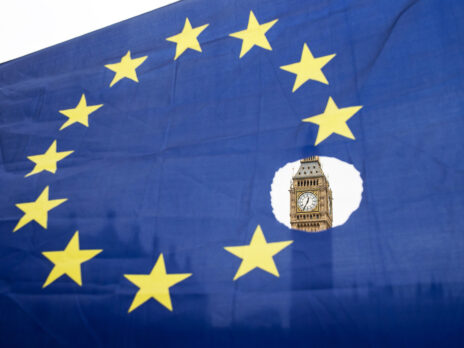
On the tenth anniversary of Britain’s vote for endless political chaos, the chaos is still going strong as the sixth prime minister since the EU referendum resigns. He is going, he says, because his party believes he won’t win them the next general election (well spotted, team). This rejection he accepts “with good grace”. He had previously planned to fight to the last, but he will spare his party that spectacle, make a dignified exit rather than a final tussle: a political Captain Oates, letting himself solemnly out of the tent.
“I will do everything I can to ensure an orderly handover of power”, says the man who has just been deposed by someone who wasn’t even an MP last month. Before he moves to the thanking – he will thank general groups like “the civil service” rather than specific people, because quite a few of the specific people unfortunately had to be sacked – he tells the country that his successor will inherit “a Britain that is far stronger and fairer than the one I inherited two years ago”, and that they will be “better able to ensure the Labour Party secures a second term in office”. By which he means that if the next few years don’t go well and Labour is binned by the electorate, then that will now be very much Andy Burnham’s fault.
A great deal of a person’s character is revealed by the manner in which they throw in the towel. I once worked for a CEO who, on his last day, walked into the office of his assistant – a woman who had spent eight years tending his inbox, booking his flights and listening to his tantrums, often on weekends – and announced: “Suzanne, you’ll never see me again.” No gratitude, no shared memory: six words and he moved to the Caribbean. Perhaps he wanted to be closer to his offshore bank account. The same staggering insouciance was on display when David Cameron hummed a jaunty tune as he walked away from the podium, having plunged the country into chaos. The same total lack of interest in what the moment meant for other people was there when Boris Johnson declared wistfully: “them’s the breaks”, dispensing with the highest office of state as blithely if he’d just lost a game of whiff-waff. Liz Truss, true to form, resigned at a bizarre and unstable-looking lectern that cost the country a lot of money. Sunak resigned like a public-school head boy welcoming the parents to sports day.

As recent resignation speeches go, Starmer’s was probably closest to that of Theresa May. Like May, his voice cracked as he brought his speech to an end. For May, however, it was patriotism that brought the tears to her eyes – the final line, “the country I love”, delivered like a spurned lover’s reproach before she fled back through the back door – whereas for Starmer, the tears came when he talked about going from the biggest job in politics to his most important job, that of a husband and a father. With Victoria – his “rock” – he stood on the steps, not sauntering or scurrying away, taking it on the chin. As one, the country immediately decided that they liked this decent man. Still, too late: a new leader was being prepared, there were new WhatsApp groups to form, new animosities to develop. By September the country will need to have a fully functioning political crisis for Burnham to jump into; the really forward-thinking rebels will be briefing against him by this afternoon. At this rate we can get through two more Prime Ministers before Nigel Farage gets to have a go.
[Further reading: Chris Philp wants another go at fixing immigration]
Content from our partners
Related
Join the debate
Subscribe here to comment