
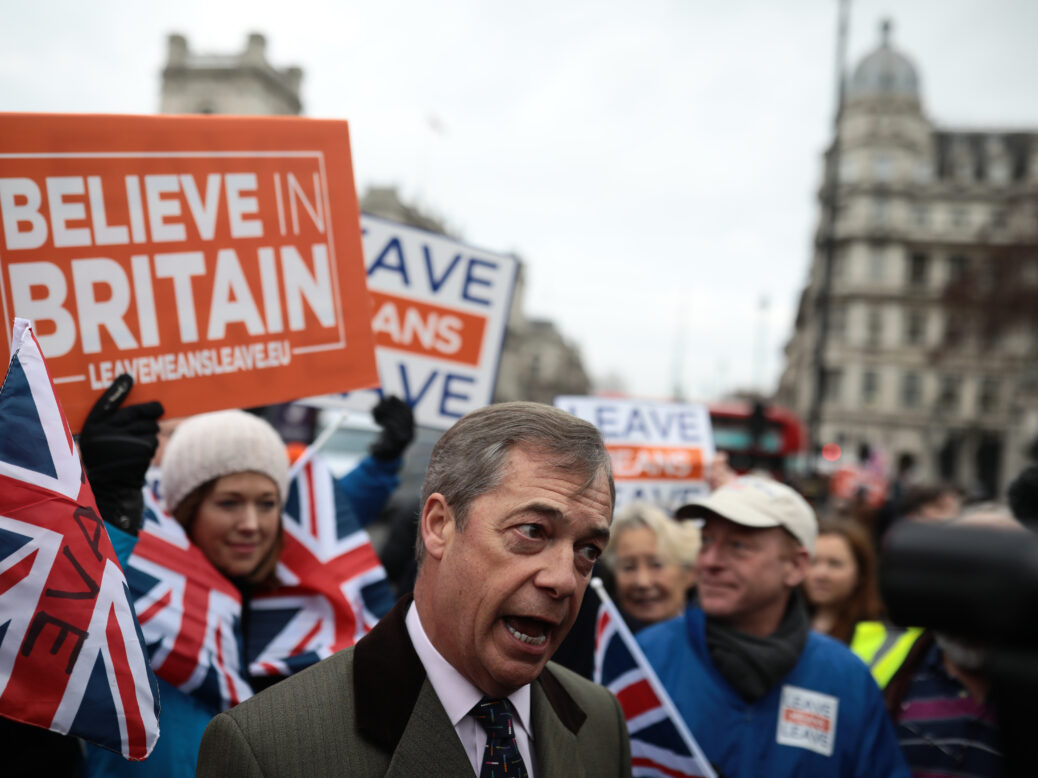
About five weeks before the referendum I was having dinner with some old friends. Halfway through, one surprised the rest of us by announcing he would be voting Leave. Although I thought, and still think, that Brexit was a reckless piece of foolishness, questions about sovereignty, citizenship, the nature of political power and who does and doesn’t have it are always interesting. Anybody who had paid attention to the deep inequalities that had opened up in the UK since 2009 could see such questions were long overdue. I wanted to hear his reasoning.
I didn’t get the chance. Another bottle of wine was opened, and soon our friend was being drowned out by the vociferous counter-arguments of the other two men at the table. I knew those arguments, they were also my own, but I was also troubled to recognise the over-confident tone: our friend was being “remainsplained”, and couldn’t get a word in.
A month later, in June 2016, the Labour MP Jo Cox was murdered. The night before the referendum our friend wrote to everyone at the dinner, explaining his decision and hoping it wouldn’t harm our friendship. I wrote an email back saying that whereas I thought there was a debate to be had, any case for Brexit had now been hijacked by a racist nationalism of the kind that historically has only wrecked nation states. I can’t remember whether I sent it.
Brexit was a failed national conversation. Opinions about Europe, history and sovereignty quickly became treated as though they were existential conditions not viewpoints. We might have had a political debate, but instead we created the conditions for a nihilist anti-politics where nothing really matters – not facts, realities, not even death – but the sound of our own voices. We lacked the courage to argue in good faith just as now, as the consequences of Brexit crash into the horror of the pandemic, we lack the courage to mourn.

Lyndsey Stonebridge is Professor of Humanities and Human Rights at the University of Birmingham
This article is from our “How Brexit changed us” series, marking five years since the referendum.
Content from our partners



Related


Join the debate
Subscribe here to comment