
Last week’s local election results make one thing clear: Keir Starmer and his government are catastrophically unpopular. This isn’t the first time a governing party has suffered disastrous losses in local elections. In 1995, John Major’s Tories, well on their way to the historic defeat of 1997, lost over 2,000 councillors. But even Major’s personal unpopularity never matched Starmer’s, and the Tory vote share held up at 25 per cent: enviably robust, compared to Labour’s 17 per cent today. More importantly, perhaps, Labour has been overtaken on its left, for the first time in its history, by the Green Party. At the same time, it has lost swathes of councils that it has controlled for generations to Reform. Taken all together, this is one of the worst electoral performances on record for a major party.
The idea that this situation could be turned around while Starmer remains Labour leader is fanciful. While his few remaining fans cling to the idea that he’s a natural winner, it’s now widely accepted that he only won the Labour leadership by making a series of promises to members that he had no intention of keeping, and that he only won 2024’s parliamentary landslide because the right-wing vote was split between Tories and Reform. The bigger picture is that Starmer and his people simply don’t have a story to tell the public that is ever going to convince them. However well-intentioned some of Starmer’s colleagues may be, they are managers, tinkerers, system-insiders, at a time when most voters want the entire system replaced. This is the underlying problem that any future leadership will have to address. But its immediate symptom is that the prime minister is widely and irremediably disliked. Labour cannot govern with authority until he goes.
The sense of collapse within government is no longer confined to anonymous briefings or muttering on the backbenches. Four ministerial aides have now resigned rather than continue defending a political strategy that appears to be failing on every front. Meanwhile, growing numbers of Labour MPs – from soft left critics to previously loyal supporters of the leadership – are openly discussing whether Starmer can survive, with some now publicly calling for him to step down before the situation becomes electorally irretrievable.
The ideal replacement for Starmer is obvious. Andy Burnham still has as much ministerial experience as any other contender, and is one of the only politicians in the country to enjoy net popularity with the public. The 2019 election saw the Tories win a landslide with a leader who had until recently been a popular mayor of a major city. The only rational course of action for Labour now is to follow the same path. Burnham also has a coherent analysis of the country’s problems and a convincing account of how a Labour government could fix them . It may be that nobody could save Labour. But if anyone can, it’s him.

The major obstacle to this is the fact that a large section of the Parliamentary Labour Party owe their status as MPs entirely to the patronage of Starmer and his former chief of staff, Morgan McSweeney. Between 2022 and 2024, a small team of unaccountable Labour bureaucrats intervened in the party’s processes for selecting parliamentary candidates in hundreds of instances across the country. Wherever they did so, popular local candidates were replaced by Starmer loyalists, who themselves seem to have been selected largely on the grounds that they had no political ideas of their own, so could be expected to remain compliant in the hands of McSweeney and his network. The result is a parliamentary party that owes more directly to Starmer than to the Labour Party, its members or its voters. If they understand anything about their present predicament, it’s that their careers are unlikely to prosper under a different management, even if a popular leader could help protect their majorities.
So the party’s National Executive Committee, also largely composed of delegates belonging to the same network, is unlikely to change it’s mind about allowing the Manchester mayor to become a Labour MP. They know perfectly well that as soon as Burnham returns to parliament, his election as leader would almost certainly follow, and their period of ruling Labour’s bureaucracy would end.
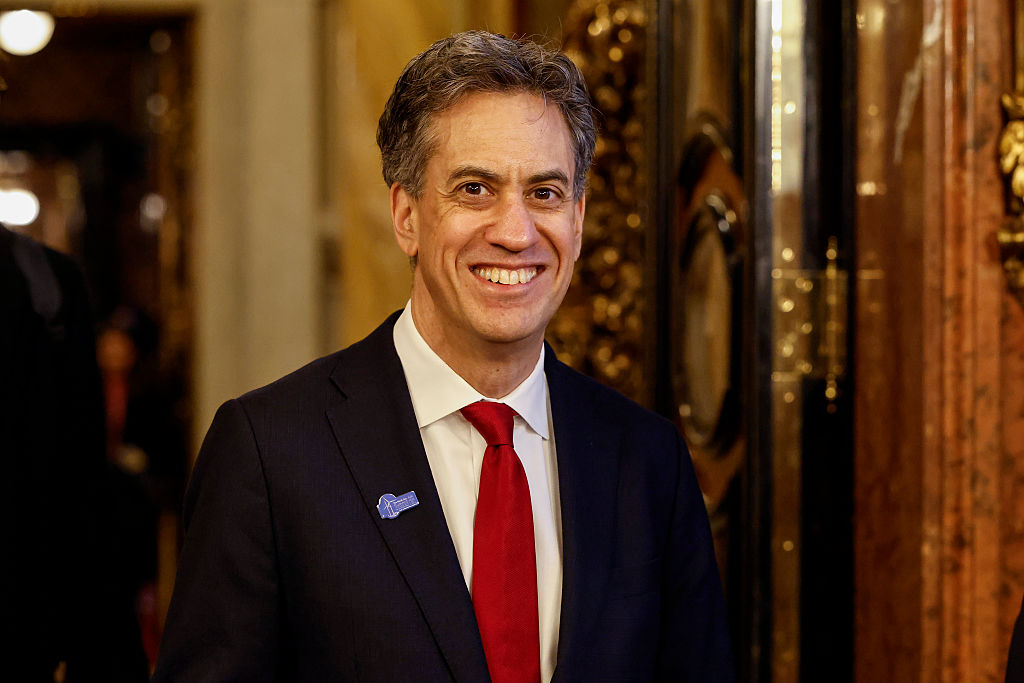
So what’s the solution? As unorthodox as this would be, one way forward would be for a current sitting MP – Ed Miliband, Angela Rayner, or someone less well-known – to challenge Starmer for the leadership now, with the express and explicit intention of using their position as leader to recompose the NEC, bring Burnham back into parliament, and make way for him as leader and Prime Minister as soon as possible. Yes, the press would squawk about uncertainty, chaos and the bond markets. But Burnham could be brought into cabinet discussions as soon as the new leader were in place; that way, investors could be reassured that a consistent programme would be followed during the few weeks that it would take to complete this process: especially if, for example, caretaker PM Ed Miliband were to be appointed Chancellor of the Exchequer as soon as his more electable colleague was installed as Premier.
Of course this is all unlikely. But very unlikely things happen in modern politics. If anyone has a better plan to save Labour from oblivion, and the country from Nigel Farage, then we’ve yet to hear it.
[Further reading: It’s happening]
Content from our partners



Related
Join the debate
Subscribe here to comment