
Can the Green Party ever work with Jeremy Corbyn?
All the Green leadership candidates are opposed to an outright merger with Corbyn and Zarah Sultana’s breakaway.
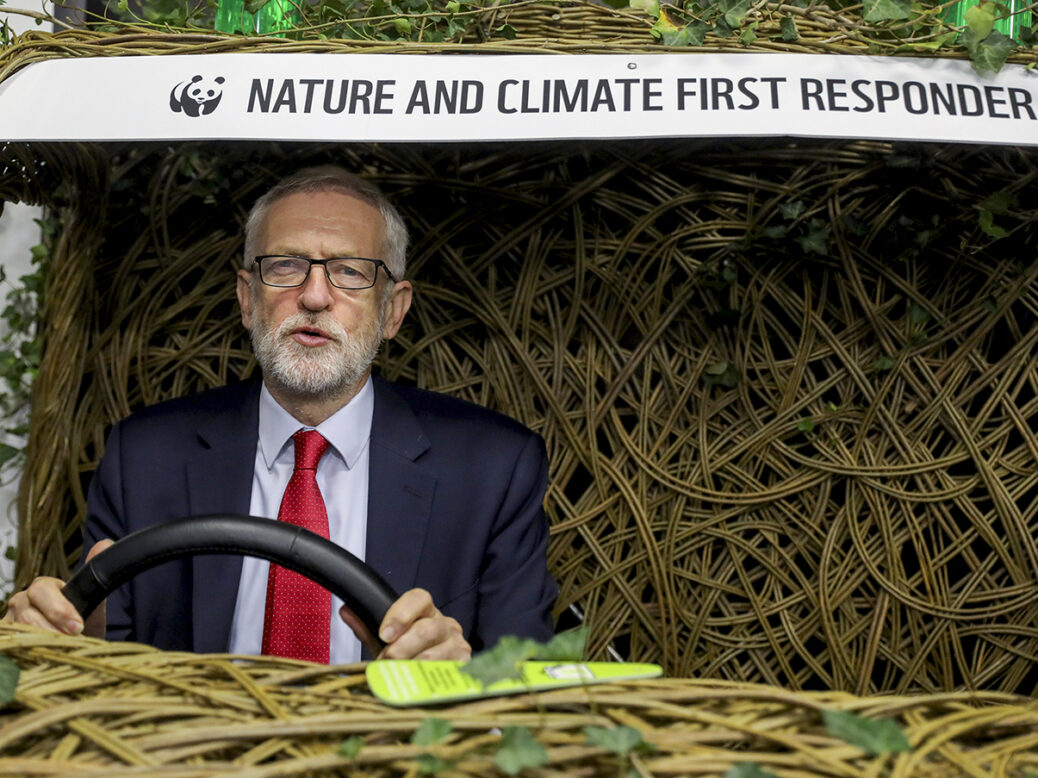
Power is shifting on the left of politics. Last week saw the half-announcement of a new party co-led by Zarah Sultana and Jeremy Corbyn, representing the most significant breakaway from the Labour party in years. But while Corbyn and Sultana enjoy a cultish national following, their journey to left-wing dominance will depend on more than mere profile. Is a new party of the left viable without the support of the Greens? The Green Party is currently in the middle of a defining leadership election. The current co-leader, Adrian Ramsay, and fellow MP Ellie Chowns are locked in a battle with Zack Polanski, the party’s “eco-populist” deputy leader. Whichever candidate emerges at the helm of the Greens will have a defining effect ...
Can jury-less trials save our justice system?
“Justice delayed is justice denied” – and our courts are clogged to the point where they barely function.
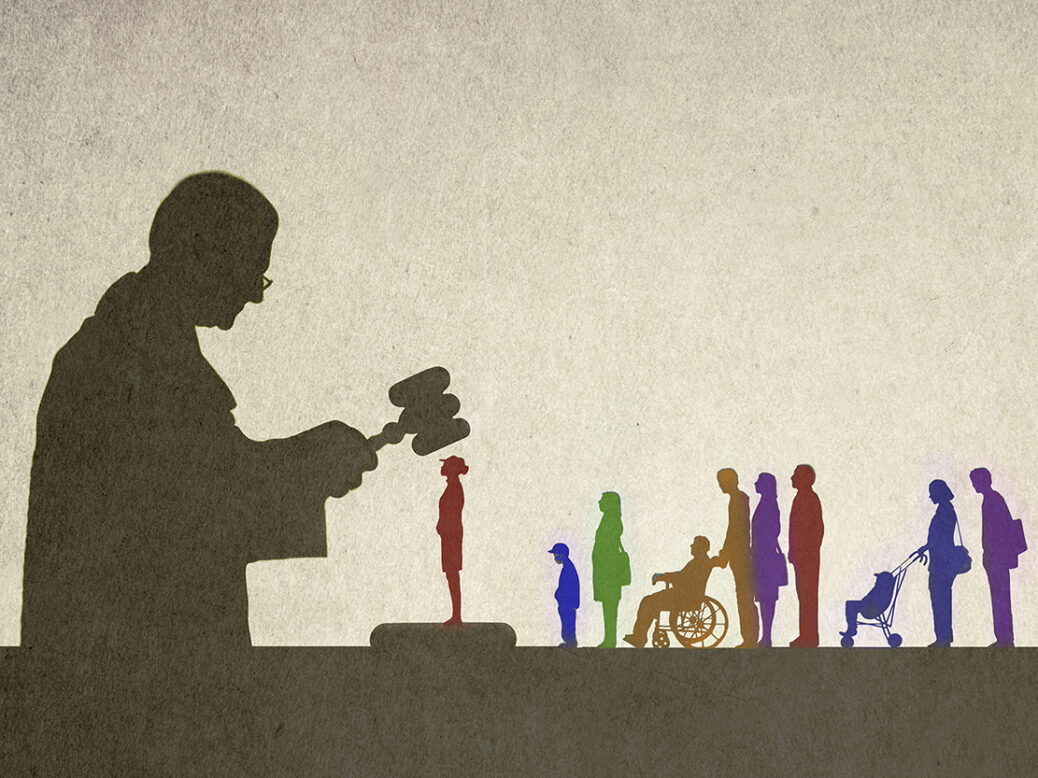
It’s hard to establish quite where the legal maxim “justice delayed is justice denied” comes from. The Justice Secretary, Shabana Mahmood, likes saying it, as did her predecessor, Alex Chalk, and his predecessor-but-one, Brandon Lewis. It’s often attributed to William Gladstone, but the notion that the timely conclusion of a legal issue is fundamental to a functioning justice system pre-dates the Victorian prime minister by hundreds of years. One such variation can even be found in Magna Carta: “To no one will we sell, to no one deny or delay right or justice.” Echoing the sentiment is the retired judge Brian Leveson, who is chairing the government’s review into a broken courts system. Leveson recently warned that radical reform is required ...
Would you take financial advice from Rishi Sunak?
Apparently Goldman Sachs would.

Desperate times, desperate measures. Climbing from 245th to 238th on the rich list may not qualify as desperate to all readers, but it does to Rishi Sunak. His net worth having actually slimmed by £11m last year to a worrying £640m, Sunak has returned to Goldman Sachs, where he first worked as an intern in the hazy days of Gordon Brown’s boom. Now Sunak – who is still an MP – is in the boardroom, as a senior adviser. He probably won’t have to make anyone a coffee. Who knows – he may even earn enough to buy an umbrella. Actually he won’t. In fact, Sunak is donating his pay to the Richmond Project, the charity he and his wife created ...
How to read Morgan McSweeney
Why is the Starmer’s chief adviser turning to Alexander Karp, a Silicon Valley billionaire, for inspiration?

I used to think Morgan McSweeney filled his evenings browbeating backbenchers or Sharpie-ing constituency boundaries. It is therefore pleasing to learn that the man of action is also a man of letters – and ideas. In his Spectator cover story this week, Tim Shipman reported that McSweeney currently has Alexander Karp’s The Technological Republic on his bedside table. Alright, it’s not Sun Tzu. It’s not even Harold Macmillan paging through Trollope’s He Knew He Was Right (so dedicated was Macmillan to finding moments for literary reflection that in No 10 he would hang a do-not-disturb on his reading room door saying “Quiet, calm deliberation disentangles every knot”). But we can read something of Macmillan’s methods from his favourite writers, himself a conniving patrician ...
The welfare crisis no one is talking about
Instead of parliamentary bust-ups, Scottish politicians have found a novel answer to the benefits bill: silence and inertia.
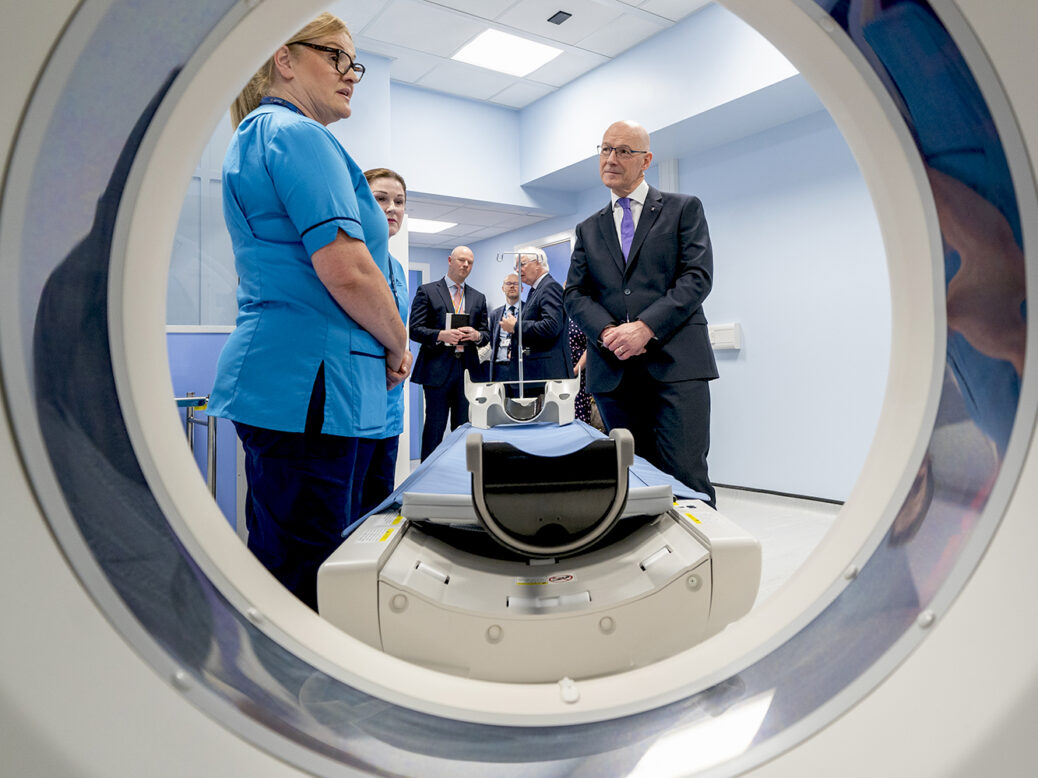
Conversations about welfare spending in Scottish politics are – contra Westminster – rarely about how it might be reduced. No, up here we are always looking for new ways to shovel more money out the door. If you belong to a vulnerable group, you should be reassured that someone somewhere is working on a plan to lob some taxpayer cash your way. This might speak well of the Caledonian heart, but it doesn’t say much for the brain. As the frankly terrifying projections around future spending and demand pile up, one is left wondering whether the nation’s policymakers are ignorant, irresponsible or just plain daft. Whatever upset Rachel Reeves this week – bad personal news, rows with colleagues, a weakening Prime ...
The revenge of Labour’s soft left
Keir Starmer has provoked the mass of his party into organising – against his leadership.
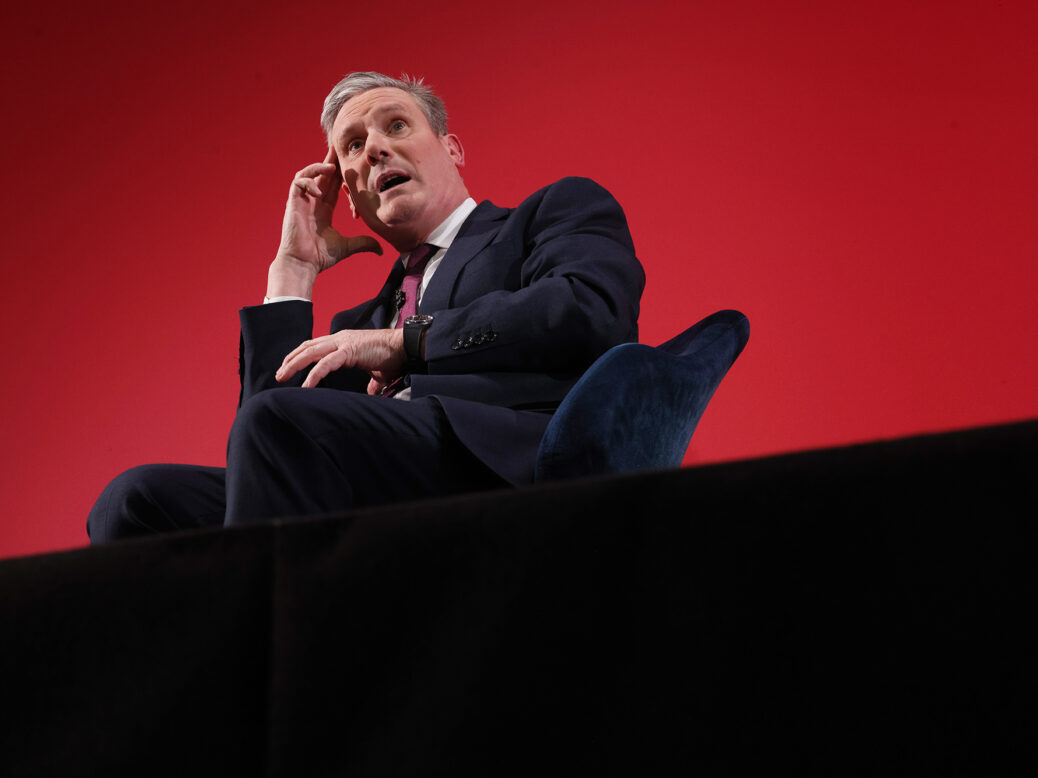
The soft left has always had problems of definition. It’s possible to label, not inaccurately, some fairly disparate sets of people and organisations as “soft left”. You can slice it up, quibble and make arguments (if I had known just how long I’d spend arguing about the nature of the soft left before I came to the UK a decade ago, I’d probably have moved to a different country). Some might go in for a biblically accurate soft left including only those who abstained in the second round of the 1981 deputy leadership race; others might talk about the afterlives of Charter 88, or about Open Labour and the strange position of the soft left under Corbynism. But, as Keir ...
Is Keir Starmer turning into Harold Wilson?
His government is routed and restless – and the future of social democracy is at stake.
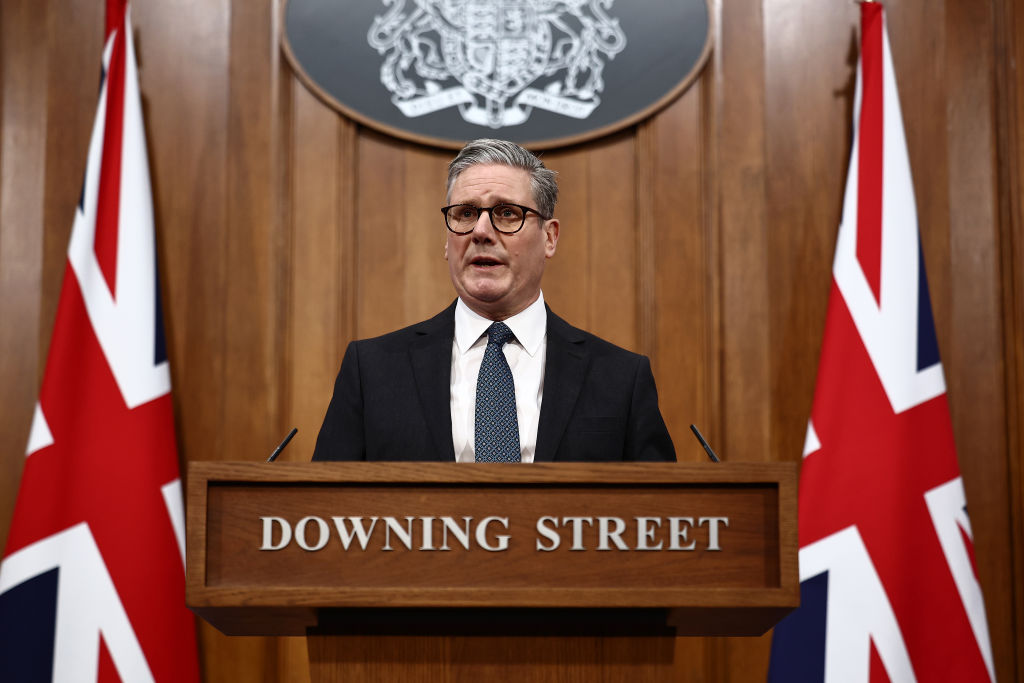
Another week and another crisis for Keir Starmer after another U-turn. It should not be like this, of course. He is one year into a five-year parliament with a working majority of 165. The Conservative Party is in free fall. Nigel Farage leads a party with just five MPs. And yet something is clearly wrong in this government. The Parliamentary Labour Party is refusing to be led. Hostile briefings are everywhere. The Chancellor is under attack; so too the Prime Minister’s most influential adviser. Starmer himself appears remorseful, apologetic and unsure what to do, searching for a sense of mission and direction, assailed from all directions by the kind of advice no one wants. There is a scene in Ben Pimlott’s ...
The rebellions against Starmer are only just beginning
Once MPs turn against a government, they never turn back.

To rebel is to wage war. Specifically, if you go back to the Latin, it means to wage war again – the conquered rising up against their conquerors, insurgents who refuse to let grievances go. Etymology is probably not front of mind for Keir Starmer as the vote on his government’s highly contentious welfare reform bill looms today (1 July). Last week, 126 Labour MPs – nearly a third of the parliamentary party, easily enough to defeat the government – put their names to a wrecking amendment. A stand-off ensued, and eventually it was the government that blinked. In an attempt to win over the backbenchers, concessions were hastily offered, concessions that will leave Rachel Reeves with a £3bn hole to fill ...