The UK has set itself a bold mission: to become a clean energy superpower by delivering clean power by 2030 and reaching net zero by 2050. In Scotland, the target is even earlier: 2045. That’s not a long time to transform the energy system of a major economy, but it’s a commitment we’re fully behind – and already delivering against.
Because this isn’t just about climate. It’s about energy security, economic renewal and long-term affordability; getting the economy growing again, building a system that’s resilient, stable and rooted in domestic supply. It’s about making sure the benefits – jobs, investment, economic growth and more secure bills – are felt in communities across the country.
We’ve seen what happens when we rely too much on imported gas. The war in Ukraine sent shockwaves through global energy markets, and UK households paid the price. The price cap rose by over £1,300 in a year, and the government spent a record £44bn supporting energy bills between October 2022 and March 2024.
If the investment needed to strengthen our electricity system had come sooner, we could have avoided much of that exposure because, simply put, we’d have needed less gas. Volatility costs. Risk costs. And the only way to shield ourselves from future shocks is to back home-grown British energy.

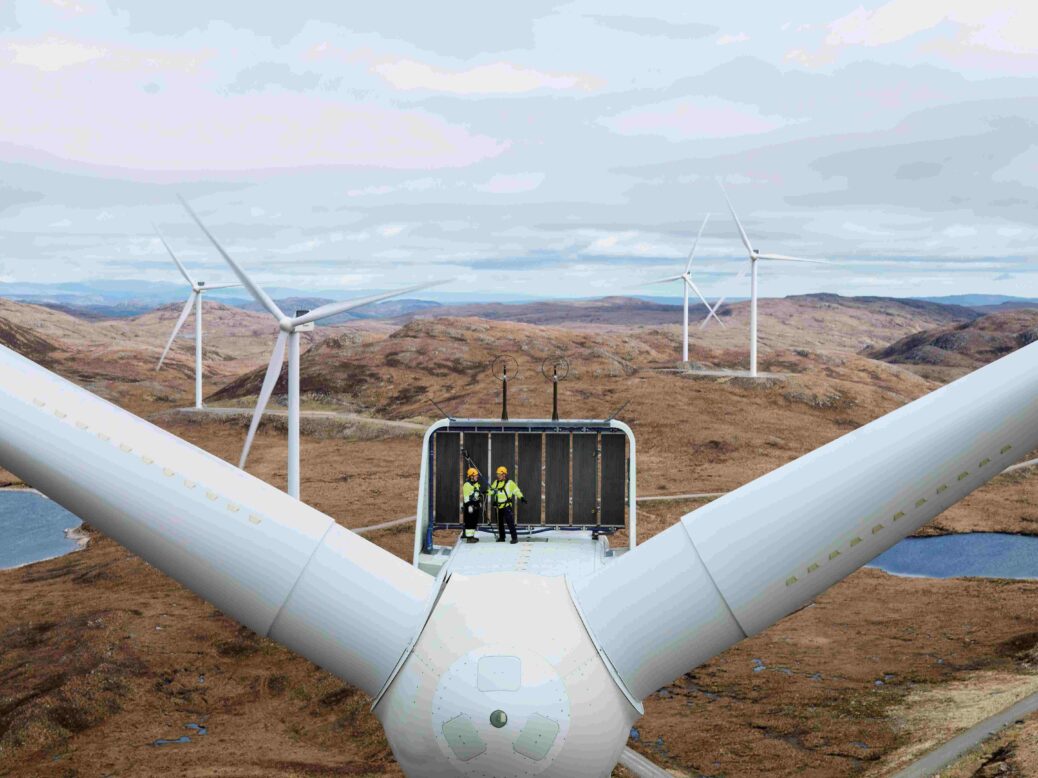
That’s why we’re investing £17.5bn over five years until 2027 – an average of £8.9m every single day. It’s not just about building wind farms. It’s about the pylons, wires, and substations that connect them, the flexible technologies that support them, and the supply chains that make them possible.
The energy system we need next puts renewables at its core, backed by flexible power generation that keeps the system running when the wind isn’t blowing and the sun isn’t shining. And the benefits go far beyond the energy itself. That investment is also supporting around 15,000 direct jobs and another 60,000 across the supply chain. These are big numbers, but more importantly, they’re making a real impact – on the ground, across the economy, and in how people work.
We’re already seeing that shift. As of March this year, more than a third of new recruits into SSE have moved from high-carbon to low-carbon roles.
That’s what a just transition looks like: helping people transfer their skills from traditional energy sectors into the clean power world of the future, and regenerating communities.
This opportunity is far bigger than any one company. With the right policy environment and a focus on delivery, the UK could unlock hundreds of billions in clean energy investment. That means new industries, revitalised manufacturing, and a more resilient economy that is less exposed to global shocks and more rooted in domestic capability. It means home-grown energy.
Building on the targets that came before it, the UK Government’s Clean Power 2030 Action Plan gives businesses like ours the long-term certainty needed to invest at scale and with confidence.
It’s a unifying vision: bringing together decarbonisation, economic growth, and national security. And it offers the longer-term assurance of more stable energy bills.
But if we want to turn that vision into reality, we need to stay the course. Politics will always be part of the energy debate – that’s inevitable when you’re talking about infrastructure investment on this scale, and long-term national strategy. The environmental, social, and – critically – the economic case for clean power is only getting stronger.
This is a huge national transition, and public support is vital. That means showing the benefits clearly: more stable energy prices, direct benefits for communities that host infrastructure, and a growing economy.
The UK has set out its ambitions for a cleaner, home-grown energy future. The transition won’t be easy. There will be bumps in the road. It’s up to politicians and industry alike to engage with people’s concerns and keep demonstrating the progress we’re making – and what’s in it for them.
If we stay the course and maintain a relentless focus on delivery, the benefits – which will be felt across the country for generations to come – will speak for themselves.
To learn more, visit sse.com/change
Related