
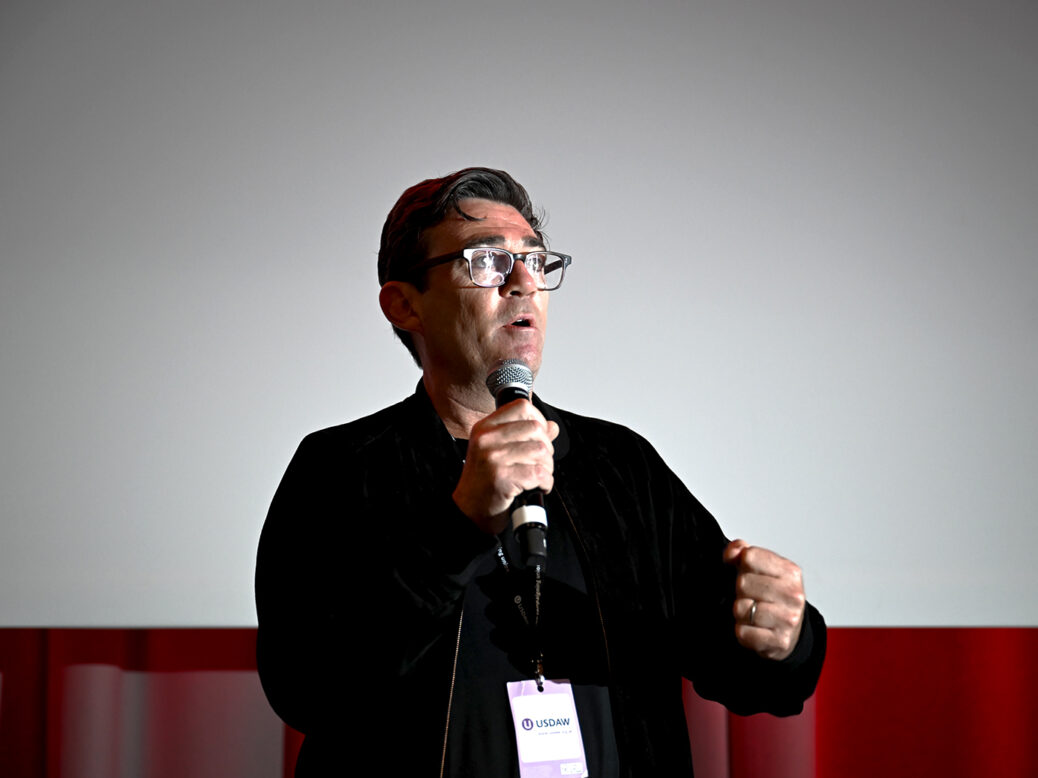
In August 2014, a popular mayor and former MP declared that he intended to return to parliament. A seat was duly found (Uxbridge and South Ruislip) and Boris Johnson achieved his real ambition of becoming prime minister five years years later.
The collective memory of this slow-motion leadership bid has sometimes made Andy Burnham’s road to No 10 appear smoother than it is. In reality, it’s the differences between the two cases that illuminate the obstacles in the Greater Manchester mayor’s way.
Let’s start with perhaps the biggest: Johnson had the backing of his leader. “I’ve always said I want my star players on the pitch,” declared David Cameron from his interrupted summer holiday in Portugal. As of this morning Burnham hasn’t confirmed his intention to seek selection in Gorton and Denton – and may choose not to do so – but it is hard to imagine Keir Starmer making such a broad welcome (not least because his position is far more vulnerable than Cameron’s). Members of Labour’s ruling National Executive Committee state, as I reported in August and again in December, that there is no prospect of Burnham being approved to stand.

Among the grounds cited is this: the cost of a Greater Manchester mayoral by-election, estimated at around £500,000 for Labour, which would drain resources from the Scottish, Welsh and local elections. Johnson, in classic “cakeist” fashion, could serve as both an MP and mayor but Burnham, as a formal police and crime commissioner, would be obliged to stand down (the government’s devolution bill, incidentally, would close this London loophole).
Burnham, again unlike Johnson, who was selected for the 2015 general election, would also have to fight and win a by-election. The air was thick yesterday with talk of Reform taking Gorton and Denton but, as our polling guru Ben Walker sets out, this ignores both tactical voting and Burnham’s significant personal vote: he won 61 per cent of the vote in Tameside, the relevant mayoral district, and has a +20 favourability rating in the north west. While a crude projection shows Nigel Farage’s party ahead with 32 per cent of the vote and Labour on 26 per cent, Walker’s model puts Burnham on a more plausible 36 per cent.
But a by-election, a form which encourages protest voting, is a riskier option than a general election. Standing at the latter, having served a third full term as mayor, would have offered Burnham more plausible deniability. As it is, Starmer allies say, his open leadership ambitions – even Johnson never boasted that MPs wanted him to stand against Cameron – are grounds to bar him. “Hurdles are made to be jumped over or crashed through,” ripostes a Burnham ally. “No 10 can decide which one it is”.
Rather than Burnham emulating the maverick Ken Livingstone in London in 2000 and standing as an independent candidate – an act that would see him automatically ejected from Labour – the hope is that an insurgency from within the PLP and the wider Labour movement would force the party’s commanding heights to think again. (Jo White, the leader of the Red Wall group of MPs, has warned that a “London stitch-up” would be a “disaster”). But if Burnham fails to clear or crash through the hurdles in his way, history may conclude that for him, unlike Johnson, this moment simply came too early.
This piece first appeared in the Morning Call newsletter; receive it every morning by subscribing on Substack here
[Further reading: Labour’s next rebellion may be over leasehold reform]
Content from our partners

Related

Join the debate
Subscribe here to comment