
The Greens’ insurgent potential was always clear. Back in April 2024, after witnessing the party’s rapid advance in Bristol, I asked a senior Labour strategist whether they feared these left upstarts. “They’re not going to be a player at the general election until they get a proper leader, a proper policy platform and a proper organisation – they have none of those things,” they replied.
By any measure, the Greens are players now. Their victory this morning in Gorton and Denton, Labour’s 38th safest seat, destroys the old assumption that the left has nowhere else to go. For those progressives all too alienated by the Starmer government, the “eco-populist” Greens now provide a readymade home. They didn’t simply win this by-election – they walked it, their vote surging from 13.2 per cent to 40.6 per cent as Labour’s halved to just 25.4 per cent and it plummeted to third place.
The wisest heads always feared such an outcome. An “existential risk” was how one Labour insider described the threat of a Green victory to me a month ago. Such claims were then rubbished by the party’s high command – “bollocks” in the words of general secretary Hollie Ridley at a meeting of special advisers.

Labour’s insistence that only it could beat Reform was partly a tactical ruse to attract support. But there was also a sincere belief that its superior resources – more data, councillors and activists – could allow it to prevail. Yet against a tide of discontent, none of this mattered.
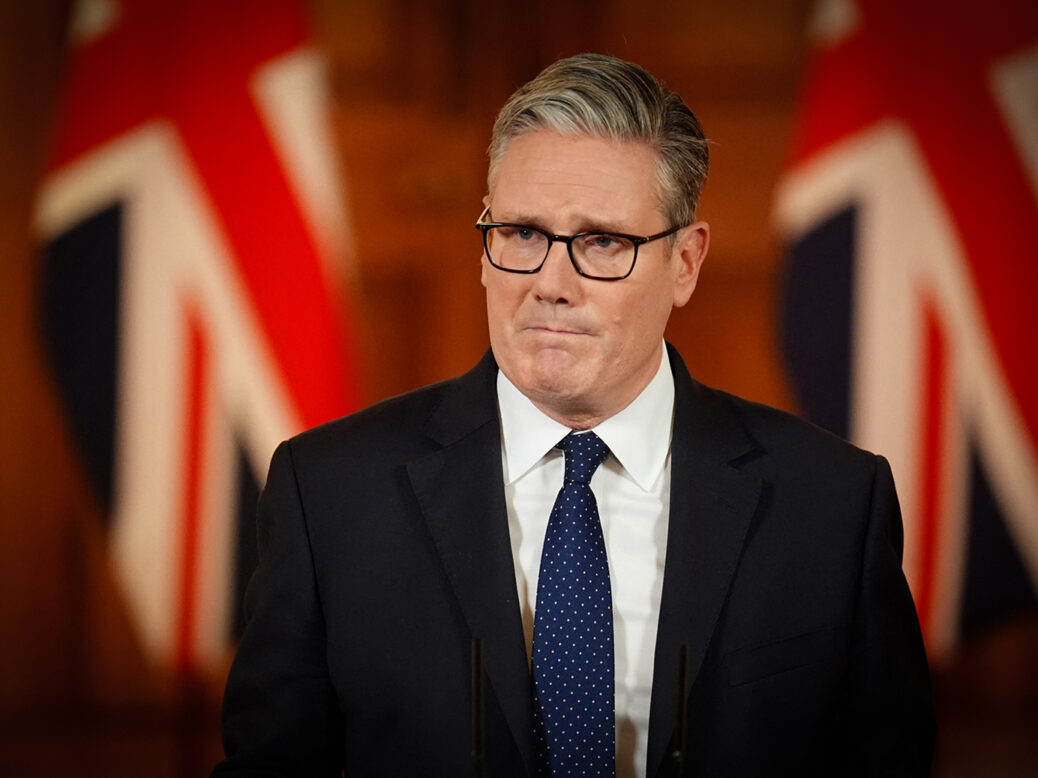
For Keir Starmer, this is the worst of all possible worlds. By blocking Andy Burnham’s candidacy he took personal ownership of the contest from the start, defying warnings from Ed Miliband, Sadiq Khan, Angela Rayner and Lucy Powell that he needed his best player on the pitch (“there will now be a groundswell to let Burnham in,” predicts one senior figure). That Starmer himself campaigned in Gorton and Denton earlier this week – a signal that Labour believed it could win – only heightens the sense of rejection.
A Reform victory with Labour in second would have allowed the party to reaffirm its central argument: that only it can stop Nigel Farage from entering No 10. But the Greens’ triumph ruthlessly undercuts it. The party’s biggest challenge has always been the belief that it is a “wasted vote”. Zack Polanski will now argue that the precise opposite is true.
At the last election, in another premonition, the Greens finished second to Labour in 39 seats across the party’s urban heartlands: London, Manchester, Sheffield and Norwich. Here, like a more radical version of Charles Kennedy’s Lib Dems under New Labour, they will present themselves as the foremost progressive choice. After less than two years in office, Starmer’s government already resembles that of Rishi Sunak, trapped in a pincer movement between left and right.
Labour’s post-mortem began this morning. Its left is pointing to the Green surge as proof of the need for a progressive reset; its right to a Reform vote that still doubled yesterday. The great danger for Starmer is that both sides soon alight on a shared conclusion: it’s time to go.
This piece first appeared in the Morning Call newsletter; receive it every morning by subscribing on Substack here
[Further reading: The Greens now have a very, very high ceiling]
Content from our partners


Related


Join the debate
Subscribe here to comment