
The gates of political debate have been thrown open. Nick Fuentes is burrowing into Maga’s algorithm on the right. Tucker Carlson is gesturing to ideas both mystical (demons) and occasionally dictatorial (one of his recent podcasts was an apologia for Oswald Mosley). Taboos are being broken. Conventions are no longer respected. Old-school decorum feels anachronistic. A day spent listening to everything Trump says makes most other things sound innocuous. His stream of consciousness is exactly what social checks are designed to stop. So far, post-taboo politics has been to the benefit of the right.
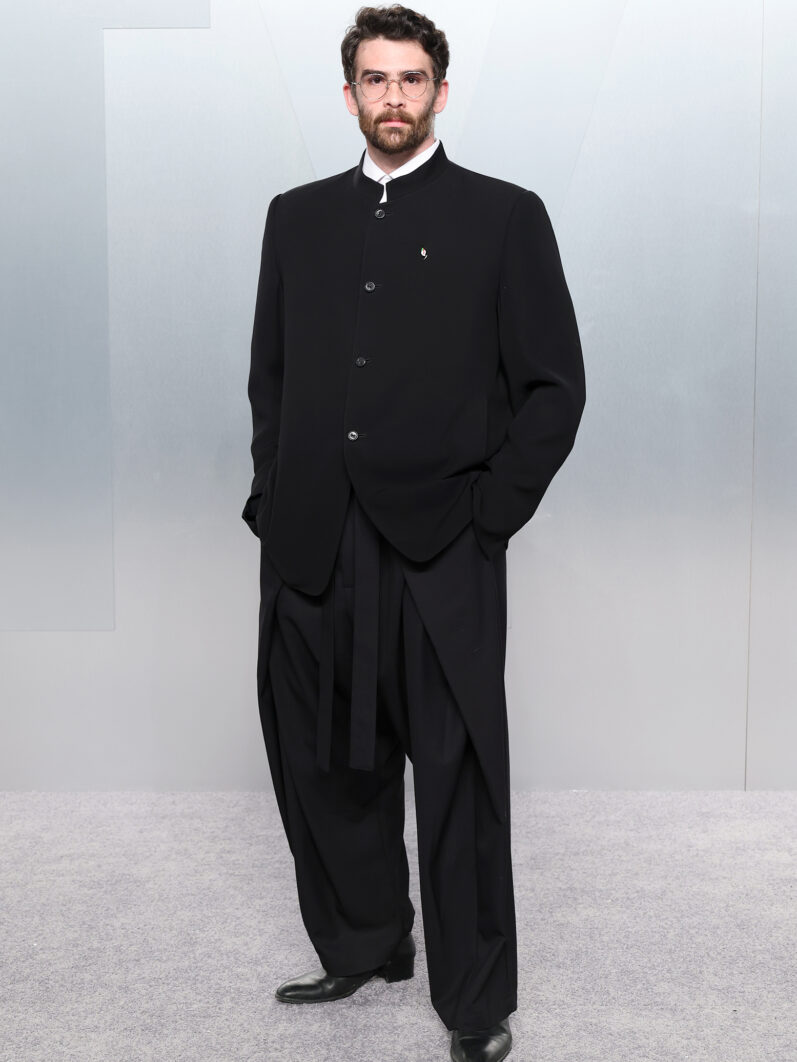
Now, an analogous debate is going on inside the Democratic establishment, if only in terms of the question: what disqualifies someone from the political arena? Democrats cannot decide whether to “platform” the streamer Hasan Piker, a socialist commentator who says that Hamas is a thousand times better than Israel. He calls himself the Rush Limbaugh for Zoomers. And he has clout. At Zohran Mamdani’s victory party last autumn, I watched the crowds move magnetically towards Piker. Alexandria Ocasio-Cortez, Mehdi Hasan and the other socialist high-fliers in the room couldn’t compete with the tall, well-built streamer.
Piker achieved new levels of prominence in the past fortnight with a New York Times interview in which he endorsed stealing from corporate giants such as Whole Foods as a way to fight the extraction of surplus value. But he has been around for a while: since 2018, he has been streaming on politics for about seven hours a day, gathering around four million subscribers across his platforms. Now this populous online realm is entering the mainstream. The Maga movement includes worldviews that are often articulated on Reddit and 4Chan. One Maga figure told me the administration’s fiercest intellects had a prior life as “online trolls”. Piker is a rare competitor from the left.
He is already building connections with the Democratic Party. He supports those candidates he calls the “Bernie-crats”. The rising star of the Michigan Senate primary Abdul el-Sayed has had Piker speak on stage with him. Mamdani has been on his show. The streamer had a soft reception on the popular Pod Save America, which is hosted by former Obama staffers. An article in the New York Times – a good barometer for acceptable liberal opinion – called Piker a “progressive mind in a Maga body” (which was later amended to a “progressive mind in a body made for the ‘manosphere’”). In other words, here is a man who lifts weights and shoots guns – but calls Israel’s destruction of Gaza a genocide.

The Democrats have long thought they have a Piker-shaped hole. During the campaign, they looked green-eyed at the podsphere, where Trump held forth for hours on end. And they are realising that they have a problem with men. “White guys for Kamala” didn’t quite have the resonance the party’s high command expected. Some Democrats, such as Congressman Ro Khanna, who has also been on Piker’s show, argue that Democrats are in no position to pick and choose their supporters or what platforms they go on.
This relaxation around censorship also reflects a more generalised cultural shift. The Democrats are losing faith in cancelling those who break social taboos. The days when woke aspired to cultural hegemony are past. This is not to say that Piker has explicitly broken with that period. In many ways he is like a portal back to the summer of 2020: he would certainly still identify as woke, and he would not disavow the Black Lives Matter movement. But the target for his activism and tenor of his rhetoric has moved. Where once figures like Piker would talk about systemic racism in relation to the killing of George Floyd, now they hold forth about systemic economic violence. He also talks sympathetically of Luigi Mangione, who was arrested following the murder of United Healthcare’s CEO Brian Thompson in December 2024, and has become a hero among this harder, more aggressive left.
Two factors explain this transition. One is that economic radicalism is in vogue. The housing crisis has a lot of cut through on the left. Ostentatious plutocrats fuel resentment. Artificial intelligence is making white-collar workers anxious about whether they will be able to keep their jobs. A call from HR about a misplaced remark is no longer the main cause of their anxieties; it’s a robot holding the door open on their way out.
The second is the radicalising effects of Israel’s war in Gaza. War has become a global phenomenon broadcast on social media. Robert Capa’s pictures from the Spanish Civil War once gave conflict the apparent objectivity of a photograph. Now people flick between dead children and montages of drones hunting Russian soldiers. Constant exposure to death from a distance has a numbing effect on many. But Susan Sontag was right when she wrote that this is not inevitable for everyone: “Representations of the Crucifixion do not become banal to believers, if they really are believers.”
And Piker is intent on turning mainstream Democrats into believers like himself. The risks are obvious, but the broader point is that Democrats are slowly realising that the alternative media cannot be ignored. It is a sign of a more open public sphere, one where ideas once considered heretical are now at least open to debate.
[Further reading: I read Russell Brand’s unreadable new book, for my sins]
Content from our partners



Related


Join the debate
Subscribe here to comment