
Istanbul née Constantinople might as well be called Metaphor City – you know, that gateway between East and West, straddling Europe and Asia, cleaved by the Bosphorus. It was formally established in AD 330 as the new seat of Christian Rome, preserving its legacy for a millennium as the Byzantine capital, before becoming the command centre of the Ottoman empire. And now? A Nato-belonging, EU-aspiring clash of a place; “melting pot”, contradiction, marriage, whatever. There will be time to dust off your copy of Edward Said’s Orientalism later.
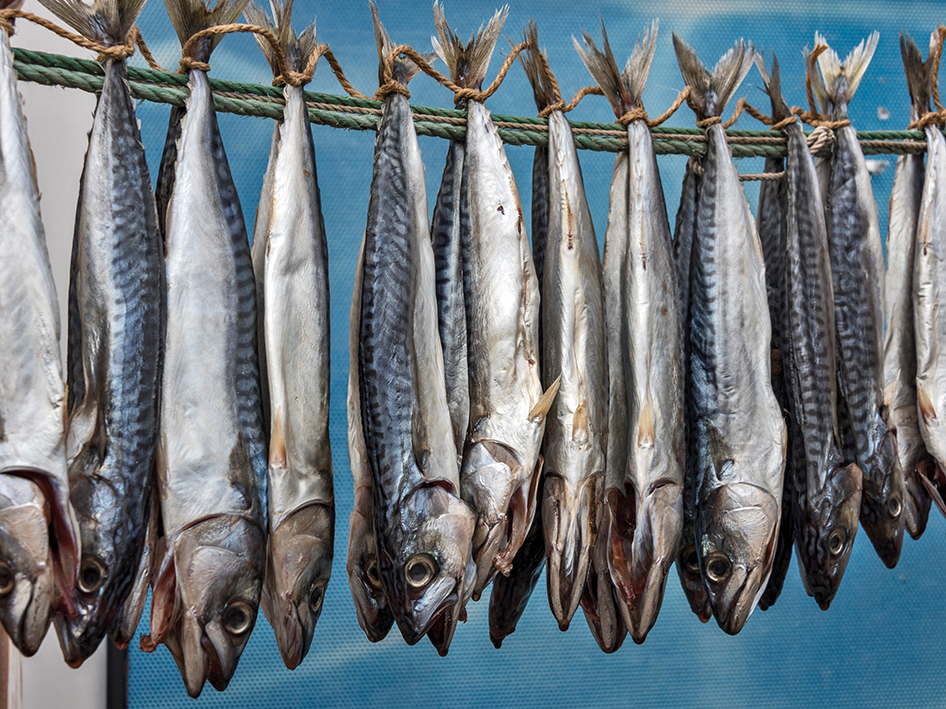
Rather enough has been said about the geostrategic nous of the emperor Constantine. The decision to relocate Rome to this strait was, if you will permit the understatement, a civilisationally defining moment. But not nearly enough has been said about Constantine’s evident nose for a good lunch. You see, as the Bosphorus connects the Black Sea (austere, Soviet) to the Sea of Marmara (louche, spiritually Mediterranean) it generates a lively, cold current. This makes the fish fat and venal, which in turn makes their flesh more potent than elsewhere. The principle also applies – and don’t ask me how – to cigarettes purchased on the shore.
I was on a boat on the Bosphorus, on my way to the furthermost of the Princes’ Islands, Büyükada (enterprisingly translated as “Big Island”), some 30km from a port in European Istanbul. Why? Why the hell not! Turkish ferry services are not designed with the customer in mind, but once the logistical hurdles were in our wake we were cruising south with Asia portside. I want to use every cliché I can to describe the water: glistening, shimmering, sparkling, azure, wine-dark, still. (The horizon is “hazy”, while you’re here).
But take it from a poet instead. I don’t think WB Yeats’s journey to Byzantium required navigating the Kabataş ferry terminus – good for him – but he does sing of the “mackerel-crowded seas” around the Sublime Porte; of all the “monuments of unageing intellect”. Mackerel-crowded is about right. Balık ekmek – a mackerel, tomato, lettuce, sumac and onion sandwich – is a signature street food of this city, flogged at stands around the Galata Bridge. And hey, what’s to dislike? My compliments to the Bosphorus current.

The Turks love bread but it’s not all about sandwiches. One dish on the island advertised itself as “Vejeteryan Spagetti” (Turkish uses a semi-latinate alphabet thanks to modern Turkey’s officious founding father, Atatürk). This menu translated it as “fish spaghetti”, a new use-case for the word “vegetarian” but I was not minded to complain. We ordered instead the curious and unspecified “roasted fish”. (Catch of the day, but it’s a secret?) It came in a tomato and pepper stew, which, I have to say, worked remarkably well with the similarly unspecified “white wine”. Elsewhere on the table were fried anchovies, a huge turbot, and bottles of Efes. For dinner? Sea bass.
Fish, one suspects, are unaware of their geopolitical potency, and even less likely to possess a conceptual grasp of the nation state and comparative trade advantage. And yet, fish are the most highly traded food commodity; Turkish sea bass in particular floods the European Union; and wasn’t Brexit the fault of all those pesky English fishermen looking to take back control of our waters? I dismissed the thought over lunch – unwilling to let supply chains and single markets corrupt the vague sense of orientalist awe that had come over me. (If the sound I hear is you brandishing your Said at me, then stop.)
Back to Constantine – or Constantine the Great if you are so inclined. And I am. Because he really was on to something with this city. Yes, Constantinople made technical sense as the new imperial capital, with its access to the Black Sea. And sure, the hilly topography and promontory nature of the Golden Horn all made it easy to defend from barbarous hordes. And whatever, the centre of gravity of the Roman empire probably had to shift eastwards by AD 324. All good, sensible, hard-nosed reasons for the relocation. But maybe the promise of a mackerel and sumac sandwich under a smoggy bridge appealed too.
[Further reading: Do lobsters have rights?]
Content from our partners

Related

Join the debate
Subscribe here to comment