
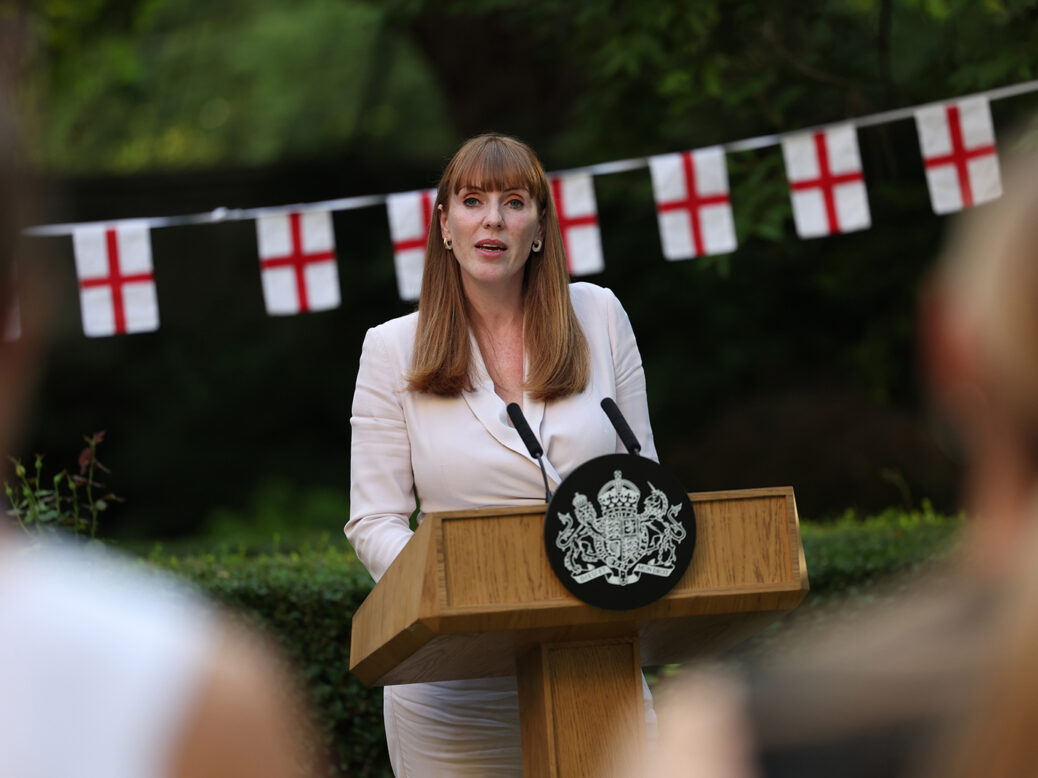
Live by the sword, die by the sword. All’s fair in politics and public life. Except, of course, when the sword is a complex area of stamp duty law. Angela Rayner spent more than a week fighting for her political life after question marks popped up about a home she recently bought by the sea in Hove. Now she has resigned as Deputy Prime Minister, Housing Secretary, and Deputy Leader of the Labour Party.
Was it a holiday home? Was it a primary residence? How had she been able to afford it? What about her constituency home in Ashton-under-Lyne? Had she paid the correct stamp duty if Hove was a second home? Was this hypocrisy from a politician who has advocated for wealth taxes?
Before her resignation, Rayner maintained that she had acted in good faith. She explained that, during her divorce from her now ex-husband, a trust was set up to ensure her disabled son would always have a home. The money in that trust came from an NHS payout following complications at his birth. Rayner says she no longer owns the family home but instead takes turns with her ex-husband to stay there and “nest” – a term for shared parenting in the family home. She also insists she did not receive proper legal advice when she bought her Hove property and was unaware it would be classed as a second home because her name remains on the trust.
Even eminent tax specialists conceded that they did not know their way around this knotty area of property law, so Rayner may indeed have been telling the truth. Regardless, she is not the first politician to suffer a housing scandal, nor will she be the last. Consider Reform leader Nigel Farage, who said last year that he had bought a home in his new constituency of Clacton, only for it to emerge that it was in his partner’s name, meaning he was not liable for the higher stamp duty rate on additional properties.

Either way, politics aside, the entire debacle reveals a great deal about the state of housing in Britain today.
In Baby Boomers’ lifetimes, house prices have risen higher and faster than wages in almost every part of the country. Over the 70 years up to 2022, average house prices increased by 365 per cent, even on an inflation-adjusted basis, according to the estate agency Savills.
How does this relate to Angela Rayner? Like many people, she now has a family home worth hundreds of thousands of pounds. And, when splitting from her ex-husband, as anyone going through a relationship breakdown must, Rayner had to work out how to keep a home for her children, while also ensuring she had a place of her own in which to build a new life.
Contrary to newspaper reports, her grace-and-favour flat in Westminster doesn’t really count, as it was tied to her ministerial role and therefore always precarious – as this scandal has demonstrated. She will now lose it.
Divorce and separation have never been tougher. Not only is the breakdown of a relationship one of the most emotional and psychologically challenging experiences a person can face, but it is also incredibly expensive. High housing costs compound the pressure: 35 per cent of people now report delaying divorce proceedings because of the cost of living. Anecdotally, I hear from people week in, week out who are still living with their ex-partners because they cannot afford to move out. I have also interviewed people who had to move back in with their elderly parents in their 40s and 50s after divorce.
Nesting arrangements, like the one Rayner says she has, are increasingly recommended because they are the least disruptive option for children. Nesting means that children remain in the family home and do not have to shuttle back and forth between their parents. However, being able to nest requires significant means, as both parents need other places to live.
Rayner earns a decent salary as Deputy Prime Minister and Housing Secretary, and yet she still had to buy her new home with a mortgage. Women who separate from their partners and do not earn that kind of money have even fewer options.
Houses are no longer just homes – they are assets. Homes are worth more money than most people will ever see in their entire lives. This also adds complexity to relationship breakdowns, as huge sums of money can be involved. Rayner’s trust is reasonably unique in that it appears specifically designed to benefit her disabled son. However, more and more parents are considering setting up trusts to protect family homes from disputes and ensure their children inherit something.
Trusts were once the preserve of the incredibly wealthy, but in years to come, expect to hear a lot more about them, as well as the complex laws that surround them.
Rightly or wrongly, this is where Britain is today. We are a country where life chances are defined by the kind of housing you and your parents can afford. High house prices are a major policy problem. The cost of housing prevents people from living their lives, encourages tax manoeuvres, drives family disputes, makes it difficult to leave a relationship, and holds the economy back. You could not have written this story. The irony is that Rayner – a woman from a truly working-class background who became Housing Secretary – has lost her role because of this policy area. It almost feels overwritten.
[See also: A guide to Hove for Angela Rayner]
Content from our partners



Related



Join the debate
Subscribe here to comment