
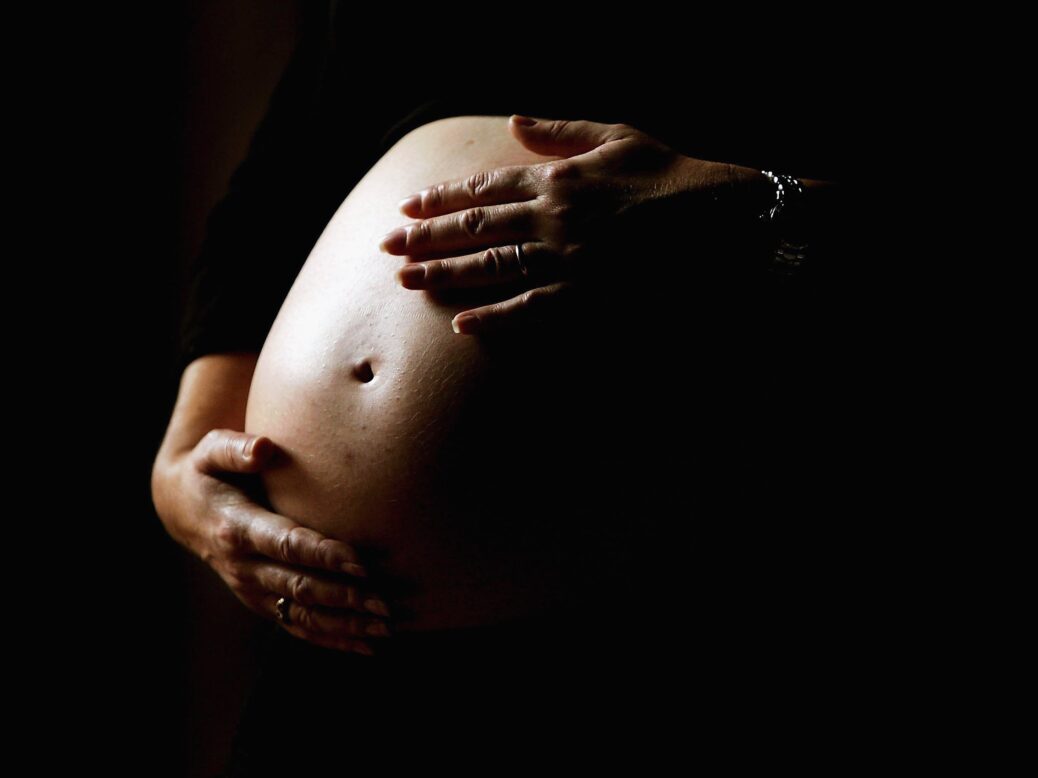
The largest maternity inquiry in NHS history found that failures in maternity and neonatal services in Nottingham, were “deep-rooted, systemic and sustained over many years.” Over more than a decade, there were “repeated missed opportunities for intervention.” More than 500 mothers and babies experienced harm or death that was “potentially avoidable”.
The Independent Review of Maternity Services at Nottingham University Hospitals NHS Trust (NUH) examined more than 2,500 cases of maternity care between 2012 and 2025. These included the deaths of mothers and babies, stillbirths, brain injuries and other significant harms. Led by senior midwife, Donna Ockenden, the review found women were treated without compassion, nor did they have their concerns listened to.
The review identified a “bullying and toxic culture” as a “long-running theme in NUH’s maternity services”. During the course of conversations with more than 800 staff, they described their working environment as “characterised by fear, bullying, poor psychological safety and ineffective leadership.”
Over many years the trust missed opportunities to intervene earlier in women’s care, resulting in avoidable harm and, sometimes, death. National guidelines in maternity care were not applied consistently. There was, the review found, a culture of “false reassurances and normalising of abnormal findings”. In one-in-five maternity cases (21 per cent), the review identified either significant or major concerns with care which might have made a difference to the outcome.

The review, as is so often the case with maternity scandals, came about because families involved in these cases demanded it. Ockenden describes a small “courageous group… who have endured needless grief and pain following death and injury during childbirth.” The repeated failures to accurately and honestly investigate the stillbirth of Harriet Hawkins in 2016, the daughter of Jack and Sarah Hawkins, span 30-pages in the report. The couple have experienced “almost ten years of obfuscation, delay, callousness and incompetence,” Ockenden notes. Failings included: inadequate storage of Harriet’s body after death, “ineptitude in undertaking regulatory functions, suppression of information and inadequate investigations”.
The Nottingham report found evidence of “recurring examples of failure to protect the dignity of the deceased.” An early gestation baby was disposed of as “clinical waste”, and one staff member told the review that babies’ bodies could be kept in a “white normal domestic fridge” in a bereavement room. Earlier this week (22 June), two men were arrested in connection with operating practices in mortuary services at the trust. A criminal investigation into NUH maternity services – Operation Perth – has been underway since 2023. The government has said it will introduce tougher checks on mortuaries to ensure the remains of children are treated with dignity and respect.
NUH was chronically understaffed throughout the period under review. There is also sustained criticism of previous senior NUH managers who, the review says, either “ignored or have been unable to respond to the concerns being raised over many years.” Risks in maternity services were first identified as far back as 2007, with staff whistleblowing beginning in 2014. Yet, serious incidents were not being investigated and the trust failed to learn from repeated mistakes.
The report acknowledges that significant improvements have been made at NUH since 2022, when new leadership joined the trust. In a joint statement, NUH chair – Nick Carver – and CEO, Anthony May said: “We apologise unreservedly to the women and families who have suffered harm, loss, trauma or distress while receiving care in our services. We failed you, and on behalf of Nottingham University Hospitals Trust, we accept responsibility for our failings.” The trust leadership also apologised to staff and said it is committed to lasting improvement.
Every family whose case was reviewed by Ockenden and her team will receive individual feedback over the next six months. For many, this will be the first time they truly understand what happened to them and their babies. What mistakes were made during their care, and what might have been different. They are finally being listened to.
But what families may still be left knowing is why things went so badly wrong. Why hundreds of babies and mothers were harmed or died unnecessarily. Speaking at a conference for the Medical Journalists’ Association on 17 June, the government’s independent maternity advisor, Michelle Welsh MP, explained how the Ockenden review “could not legally make people talk” and several had refused to speak to the inquiry. This left “a gap” in terms of accountability, she said. The Sunday Times has reported that half of the 60 senior executives and directors Ockenden approached refused to answer questions.
Some Nottingham families insist that this “gap” can only be filled by a statutory public inquiry into maternity services. Not just in Nottingham, but across the country. This would have the power to compel people to hand over documents and provide testimony. “You can be involved in the death of a baby by – what the coroner says is – neglect and you just go back to work the next day,” Jack Hawkins told the BBC’s Today programme this morning (24 June). “And that isn’t right. What we haven’t seen, still, is any accountability for the people who, we say, lied and covered up 10 years ago.”
Welsh said that she was “in conversation” with government about the possibility of public inquiry for England, and that she personally felt there needed to be a review of the regulatory bodies. In Nottingham, those regulators have been forced to apologise for not doing their job properly.
Ockenden’s review also hints at the need for further public scrutiny. “Many of the systems of oversight established for maternity care are no longer fit-for-purpose,” she writes. With such an admission, it does not seem likely that the road for harmed Nottingham families ends today.
The Health Secretary, James Murray confirmed that those responsible for future maternity failures would be compelled to give evidence to investigations. “Those who refuse to do so or deliberately withhold information about failures could face up to two years in prison,” he said. Furthermore, the government is rolling out Martha’s Rule, the right to an urgent independent review, across all maternity and neonatal settings in response to the Nottingham failings. Lessons from NUH will form part of the Government’s national plan to improve maternal and neonatal care for all families, Murray said.
According to Donna Ockenden, “A civilised National Health Service will be judged not only by the excellence it achieves, but by the harm it prevents.” Without a true understanding of how and why we went so wrong in the past, future harms will be harder to avoid.
[Further reading: Britain’s next maternity scandal]
Content from our partners


Related


Join the debate
Subscribe here to comment