
The warning signs were always there. Keir Starmer entered office with an emphatic majority but beloved by neither party nor country (a “precarious triumph” was how I described the result on the night).
In 2024, before any new electoral test, it was still possible to elide this contradiction. In 2025 it became impossible to do so. At every turn this year Starmer has faced rejection.
Nigel Farage, who had boasted for over a decade of parking his tanks on Labour’s lawn, finally justified the hype. Reform won the Runcorn by-election, captured red fortresses such as Durham and Doncaster and opened an opinion poll lead that has now endured for over eight months. A populist party with no governing record has destroyed the traditional rhythms of British politics. Reform’s advance may have stalled in Hamilton and Caerphilly – the unified opposition Farage inspires is his greatest weakness – but the party can now plausibly dream of power.

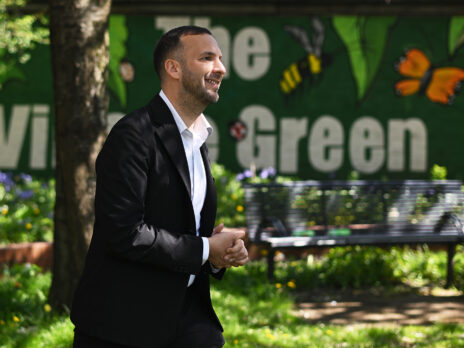
Ever since Ukip’s insurgency in the 2010s, politics has been marked by the absence of a left equivalent. That space was always waiting to be filled and, as Jeremy Corbyn and Zarah Sultana were lost in a haze of factionalism, Zack Polanski seized it. Contrary to the received wisdom that his party should mirror its centrist German counterpart, Polanski remade it as an “eco-populist” force and thrived. The Greens surged to 15 per cent in the polls – they now enjoy a fifth of Labour’s 2024 base – and can reasonably target upwards of 50 seats.
As Starmer faced revolts outside of the party there was little solace to be found within it. The defining moment was last summer’s welfare rebellion: it toxified relations between No 10 and backbenchers, destroyed the illusion of an impregnable majority and necessitated even greater tax rises in Rachel Reeves’ second Budget. Labour’s “loveless landslide” has had consequences: MPs with far more fragile majorities than usual are less inclined to loyalty. Lucy Powell’s election as deputy leader – only a month after her sacking by Starmer – and Andrea Egan’s election as Unison’s general secretary were further rebukes to a Prime Minister who, as Labour grandees observe, too often has “no one to phone”.
Starmer’s failure to convince his party that he has either a governing vision or a winning strategy has brought Labour’s shadow leadership contest to the surface: every move made by Wes Streeting, Shabana Mahmood, Angela Rayner and Andy Burnham is now viewed through this prism. The Prime Minister draws consolation from the knowledge that he has defied the Westminster consensus before: dismissed as a transitional leader only to win power in a single term. But the danger after a year of revolts is that the greatest of all is still to come.
This piece first appeared in the Morning Call newsletter; receive it every morning by subscribing on Substack here
[Further reading: We need European leaders who can stand up to Trump]
Content from our partners

Related

Join the debate
Subscribe here to comment