
Where is the Reform of the left? The rise of Nigel Farage’s party and its predecessors has made that a familiar question in recent years.
The Greens might have enjoyed their best result at the last election, winning 6.7 per cent of the vote and four seats, but they struggled to exploit the opportunity this presented. During the first year of this parliament – with two little-known leaders – they were more stagnant than insurgent.
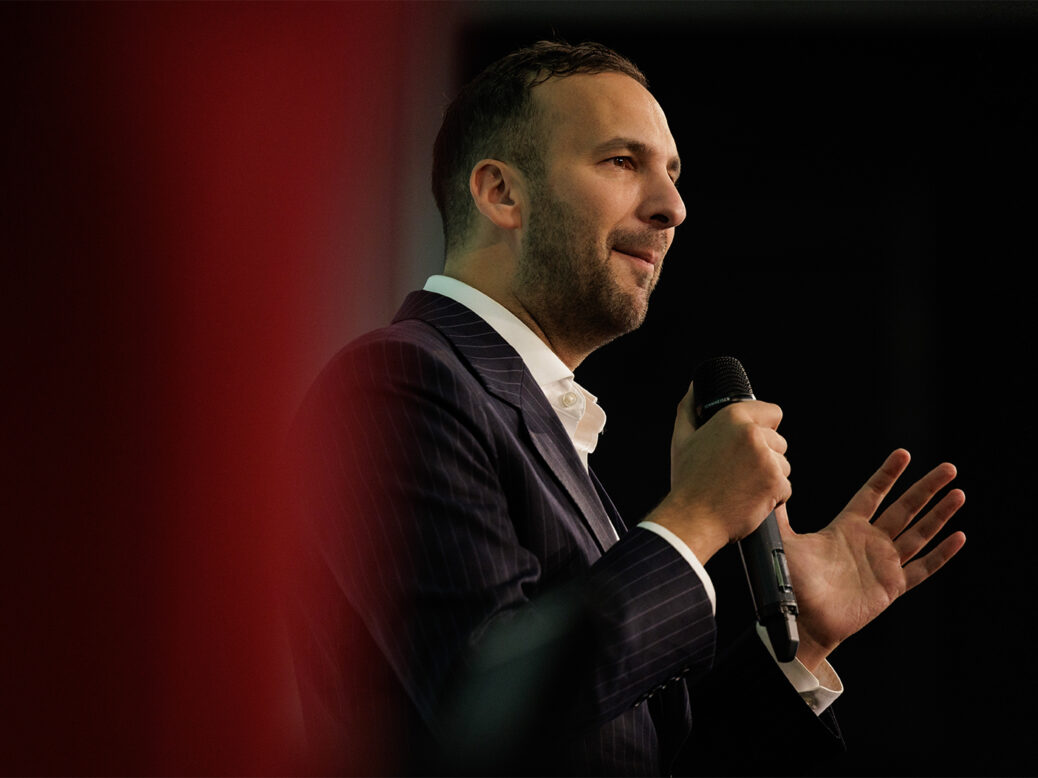
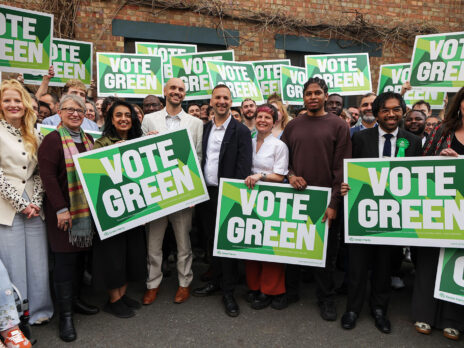
But under Zack Polanski there are signs this is changing. Labour has targeted the eco-populist’s support for Nato withdrawal and his 2013 claim that hypnotherapy can enlarge women’s breasts but this hasn’t thwarted the Greens’ advance: the party is on a record 13 per cent in the latest YouGov poll, while its membership has increased to 110,000, a rise of 55 per cent since Polanski’s election last month.
“People are ready to feel hope again,” the Green leader tells me. “Theysay they’re responding to the fact there’s a politician boldly saying what they stand for and what the party stands for and what we stand against. It’s exactly what I promised to do when I was elected and I’m delighted that it’s been a very, very good first month.”

There has long been space to exploit to Labour’s left. The Liberal Democrats, focused on the previously Conservative “Blue Wall”, intend to maintain their centrist posture. Jeremy Corbyn and Zarah Sultana have left even ideological sympathisers wondering whether they can ever get on. Polanski has sought to fill the gap in the political market, capturing 15 per cent of Labour’s 2024 vote in the most recent YouGov poll (more than any other party).
It’s a challenge that plenty in Labour are taking seriously. “Polanski is a real threat,” says a senior source, warning that the old assumption that “these people have nowhere else to go” no longer holds. No 10 has long believed that the Greens, rather than the faction-riven remains of Corbynism, pose the biggest threat (a prediction that has so far been borne out).
Though the Greens only won four seats in 2024, they finished second to Labour in 39 others across the party’s urban heartlands: London, Manchester, Bristol, Sheffield and Norwich. Here, like Charles Kennedy’s Lib Dems in the New Labour era, they intend to outflank the government from the left.
Ahead of next month’s Budget, Polanski is calling for a 1 per cent tax on assets of £10m, a 2 per cent tax on assets of £1bn or more and the equalisation of capital gains and income tax rates, so “we’re taxing unearned wealth as much as we’re taxing earned income”.
He adds that in the next few weeks the Greens “intend to overtake” the Tories’ reported membership figure of 123,000 and that it is “certainly possible” they could surpass Labour in the polls in the near future (as some Greens are predicting).
There are numerous caveats to insert: Polanski’s honeymoon might not last; the Greens’ rise in the polls could translate into few, if any, extra seats under first-past-the-post; and, faced with the spectre of Farage, surely progressives will come home to Labour at a general election?
But these are all versions of the same consolations that the Tories clung to as Reform surged – and look how that worked out. Farage’s party may have only won five seats but it helped ensure Rishi Sunak was expelled from government. The challenge for Labour is to avoid a similar ending.
This piece first appeared in the Morning Call newsletter; receive it every morning by subscribing on Substack here
[Further reading: Keir Starmer’s China conundrum]
Content from our partners

Related
Join the debate
Subscribe here to comment