
Founded in Los Angeles in 2012 by two business-school friends, Omaze USA spent its early years raffling off celebrity meet-and-greets, red-carpet tickets and pop-culture memorabilia. Lunch with George Clooney at Lake Como; a walk-on role in Star Wars; a Lamborghini blessed and signed by the late Pope Francis.
Their business model was a simple spin on the age-old sweepstake, with a portion of ticket revenue going to charity. Within a decade, Omaze claimed to have raised over $130 million for charities worldwide, powered by viral marketing and a slew of talk show host endorsements.
Omaze UK, however, courted a different type of glamour. Imagine the shock of a Californian start-up entering a depressed British economy to discover that what makes people spend millions is not a car or a celebrity meet-and-greet but a home. Or in their own words: the Omaze Million Pound House Draw™.
Since April 2020, Omaze has been running these prize draws. In exchange for a relatively small amount of money, you can be in line for the chance to win a house.

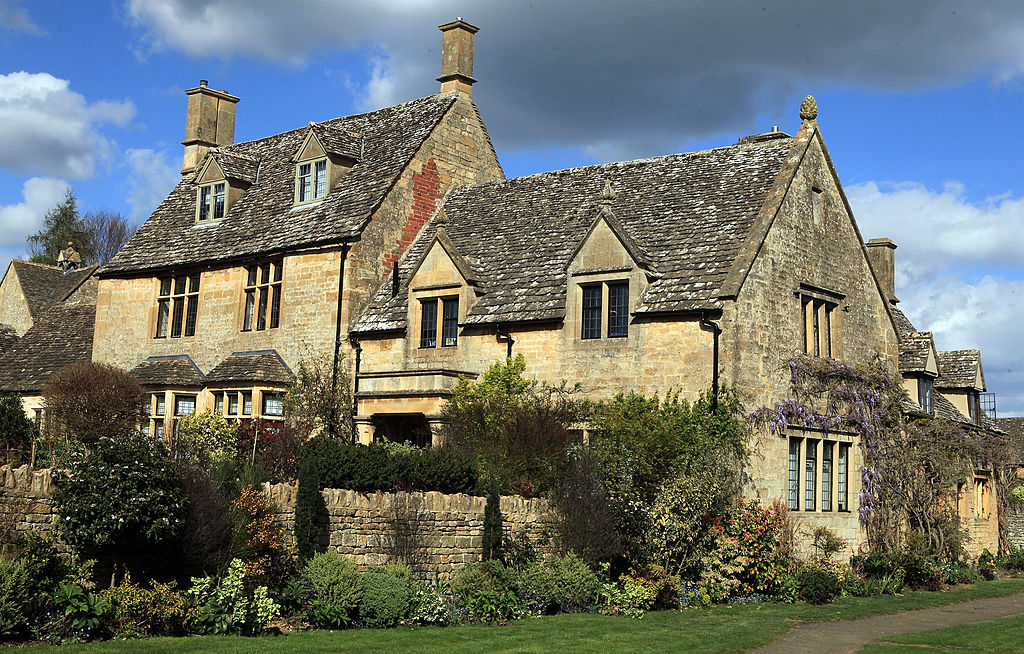
Not just any old property either, but the kind of house the current market withholds from almost everyone under 40: mortgage-free, landscaped, pristine and prefurnished. From just £10 you can hope, for a moment, for a place of your own in the Cotswolds.
It is easy to see how the dream being sold preys on young people’s inability to get on the property ladder and escape the rent-trap cycle. The root problem, however, is much more about the assetisation of our housing system. If you look at the 45 Omaze winners so far, and at Omaze’s own copy, you see that many are already property owners. There are older couples in London, Midlands families who’ve paid off a semi-detached, and people with housing wealth already under their belt. These are not, frankly, the people on the wrong end of the housing crisis. Omaze’s CEO, Matthew Pohlson, claimed that even ‘celebrities’ have informed him of their entering. Perhaps even our Z-listers renting in Zone 4.
Not quite. Winners rarely keep the house as a prize – in 2023, out of the 14 luxury properties that had been won, just three were still lived in. Last year’s winners followed suit, selling and banking the money, or flipping it into a holiday let. The prize is more the potential cash than a home. Omaze knows this, because its website is built around it. After the cinematic videos of people being ambushed with good news, plastered everywhere is “Live In. Rent Out. Sell Up.”, alongside the amount the property could fetch per month on the rental market.
This is not how you talk if you think your winners are about to install themselves in a bucolic idyll for the rest of their lives. But it is how you talk if you know a £3-6 million house would be near impossible for the median British household to maintain, and that the rational outcome is to convert it into liquid wealth. With the introduction of Labour’s “Mansion Tax”, the lots are even less likely to be a sustainable long-term abode. Which raises the obvious question: why is Omaze so insistent, in public, that ‘no winners have ever said’ they are selling to avoid upkeep? Why not admit that these luxury homes are often little more than a tradable asset? (An Omaze spokesperson says Grand Prize winners also get a minimum of £250,000 in cash to help them settle in and cover running costs.)
The moment Omaze admits the prize is basically money, it looks a lot more like gambling. Charity lotteries are very strictly regulated, donating a minimum of 20 per cent returns, operating under low prize caps and running under Gambling Commission rules. Omaze is not currently required to do any of those things. Nor does it pay the 12 per cent duty that the National Lottery is subject to. This helps Omaze sustain rolling advertising campaigns on national television with uncapped multi-million-pound assets, whilst raking in over £6 million in profit, outliving its US counterpart, which retreated from a more litigious regulatory environment.
In the window between late 2023 and 2025, when the Department for Culture, Media and Sport was deciding what to do about the online prize-draw boom, Omaze upped charity contributions to 17 per cent and publicised its self-imposed marketing spending ceilings. They also wrote in to parliamentary inquiries, paid Hanbury Strategy for lobbying support and attended the 2024 Labour Party conference. This is perfectly legal lobbying, and there is no suggestion of wrongdoing on Omaze’s part. Still, the DCMS’s decision in June 2025 to go for a voluntary code rather than pull such raffles into full licensing must have been, from Omaze’s point of view, a relief.
It’s hardly Omaze’s fault that housing is now the only large asset many people have. The average house price has risen by over 250 per cent since 2000, leading to houses operating as financial instruments, collateral against which to borrow, a vehicle for rental yield and a store of wealth to be held and eventually liquidated.
That inflation, combined with stagnating wages, has triggered an affordability crisis that sees over 170,000 children without a home and a fifth of under-35s trapped with their parents.
Omaze’s California CEO Matt Pohlson has looked at this crisis and taken a more populist line. Fresh off the podcast round last September, he mused that the UK might actually run out of suitable luxury homes, and fears that he would be “blocked” from building more of them. This is peacocking to the British YIMBY movement, a group famously not big on strong government regulation either. But it is also untrue, and underpins Omaze’s USP.
Luxury stock is the slackest part of the British housing market; if anything, there are more super-priced homes than people are wealthy enough to buy. What Britain isn’t in abundance of is modest, high-demand, affordable housing. Omaze’s advertising model only works because that section of the market is missing. If 30-somethings could buy a normal house on two normal salaries, the fantasy of having the £4m Cornish mansion as an asset would not be so powerful. And it probably wouldn’t be an asset worth £4m to begin with.
What Omaze is really trading on is the British conflation of housing and wealth. In a country where 40 per cent of household wealth is in property and most of it sits with older, better-located owners, a house is not simply shelter but a lump of capital and a position in the intergenerational queue. A Croydon renter might genuinely be buying a ticket out of housing precarity, but the suburban homeowner entering Omaze is not dreaming about living in a six-bed in Norfolk; they are trying to win money. Once that is obvious, the line between “housing crisis” and “wealth crisis” becomes blurry. Omaze’s core offer looks a lot like cold cash rather than a home, and you can thank the UK housing market for that.
An Omaze spokesperson said: “All Omaze winners are free to live in their new house, rent it out for extra income, or sell it the moment they get the keys to become a cash multi-millionaire – the choice is entirely theirs.
“Grand Prize winners also get a minimum of £250,000 in cash to help them settle in and cover running costs – our properties also come mortgage-free, with no stamp duty or legal fees to pay. Full estimated running costs are available on our website, and with the settling-in money alone, winners could comfortably enjoy the home for many years.
“Each house comes with all the furnishings and essentials featured in our adverts – with a typical average value of £150,000. If winners are already paying rent or a mortgage elsewhere, those savings could go towards the running costs of their new home, or they could rent out either property for additional income. Whatever their circumstances, all Omaze winners have several fantastic, life-changing options available to them. Omaze is immensely proud to have created over 50 millionaires while raising over £100 million for good causes in the UK.”
[Further reading: Rachel Reeves was right about non-doms]
Content from our partners



Related



Join the debate
Subscribe here to comment