
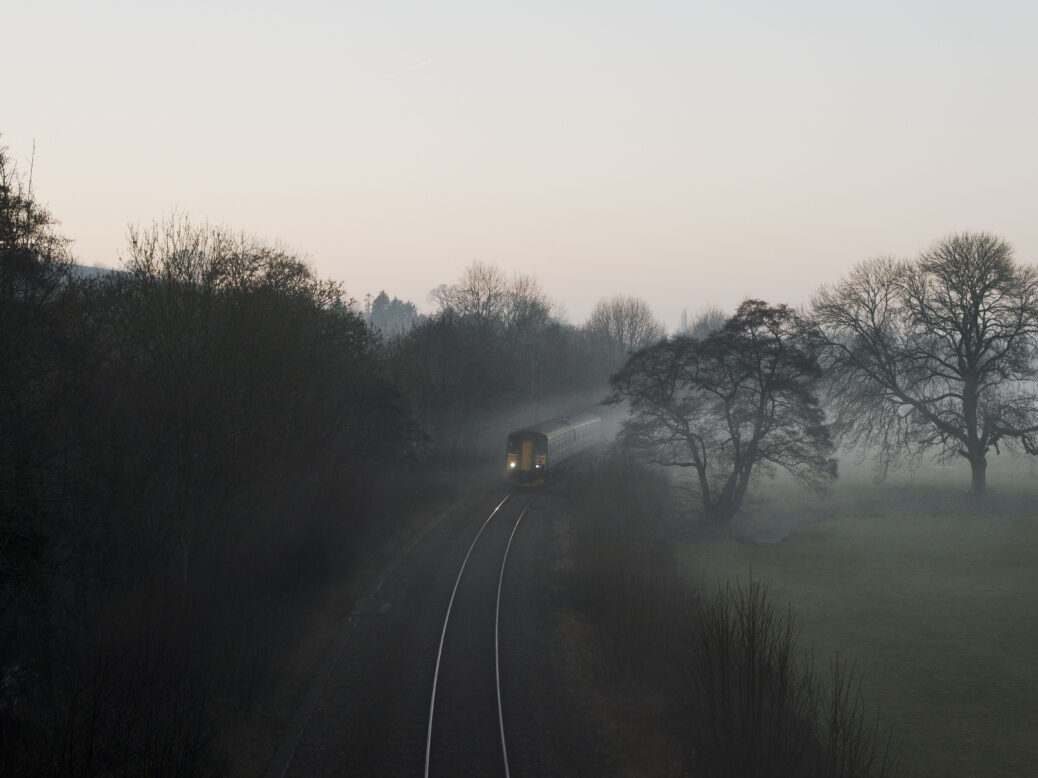
The horrific mass stabbing incident on the LNER train that was stopped in Huntingdon last Saturday evening (3 November) has had a profound effect on all railway workers. But the LNER staff I visited the next day, although shaken up, were resolved to keep doing their jobs and not to be intimidated by this outrageous violent act.
I want to pay tribute to the professionalism and steadfastness displayed by the staff during the terrible events of Saturday. The onboard staff, from the conductor to the catering grades and the driver, were heroic. The signalling and control members worked as a team to divert the train quickly into the station. Our station staff assisted passengers off the train and into the protection of emergency services.
No one can underestimate the phenomenal bravery of Sam Zitouni, who secured colleagues in the kitchen before confronting the armed attacker. His selflessness evidently saved lives. Everyone at RMT (the The National Union of Rail, Maritime and Transport Workers) wishes him a speedy recovery from the serious injuries he sustained as a result.
The key question now for us, as the biggest rail union representing all grades on the network, is how we better keep railway workers and passenger safe. There is not a straightforward, universal approach. Some politicians are putting social media clout before seriousness about safety.

Even though it is impossible to account for every eventuality, it is clear the cuts to the British Transport Police are a major mistake and one that should be immediately reversed. The BTP faces an £8.5 million funding shortfall. This year alone, 522 BTP posts have been cut, with 51 more cuts expected over the next two years. The force’s dedicated workplace violence coordination unit, which responds to staff assaults and abuse, is also being dismantled entirely. We need at least 1,000 additional officers so we can return to historic policing levels and ensure a visible police presence on stations and trains.
Station and onboard rail staff are contending with a surge in verbal abuse, physical threats, and anti-social behaviour. These cuts will severely impact the safety of rail workers and the travelling public. The situation in Scotland is especially alarming. Proposed closures there will leave vast regions with little-to-no BTP presence at all.
The Chancellor should use the Budget to guarantee the funds are there to rebuild BTP strength and deliver the safe, secure rail network that our members and wider public deserve. We need to create a sense in our public transport infrastructure that there is a security presence to act as a deterrent against criminal behaviour. It is also about how resources are deployed. Increased deployment at stations and higher levels of visibility in rail carriages would reassure staff and passengers. Security and enforcement officers also have a role to play and there is no reason why they cannot be directly employed by Great British Railway (GBR) in the future, to again give that reassuring presence.
The government must review the whole ethos and policy relating to the staffing of stations and trains. Approximately 30 per cent of services operate with no guard. Only 11 per cent of stations are fully staffed. 45 per cent are partially staffed and the remaining 44 per cent are unstaffed.
We should also remember that it was not long ago that calls for automation, Driver Only Operation, closing ticket offices and opposition to railway staff getting fair pay rises, was common place in our media and much of our political class. What is clear after the awful events of Saturday is that we need more staff on trains and stations, not less.
The question is how we keep them safe. Our members have a range of views regarding the use of body worn cameras, stab vests, CCTV, and the role of BTP. They are also at pains to make clear to everyone that it is not their role to subdue violent criminals on the network.
Key for us as the union representing train crew, is the creation of the most secure environment possible. Passengers should feel safe to use our railways and the staff who provide the service should not fear their work. Prior to the mass stabbing on Saturday, our national campaign Action Against Assaults has been gathering pace. One of its aims was to introduce a parliamentary amendment to the Crime and Policing Bill, in order to change the law to make it a specific offence to abuse or assault a public transport worker.
With the roll out of GBR over the next few years, the government and rail employers must take responsibility for keeping staff safe and work with RMT to put appropriate measures in place and utilise the expertise of our members. According to our last survey of members, more than three-quarters of frontline public transport workers say they are ready to take industrial action if employers continue to fail in protecting them from escalating violence and abuse on the network. This is not a threat but a cry of frustration at a situation which needs to be addressed, properly and quickly.
[Further reading: Knife crime is creeping into Middle England]
Content from our partners

Related


Join the debate
Subscribe here to comment