
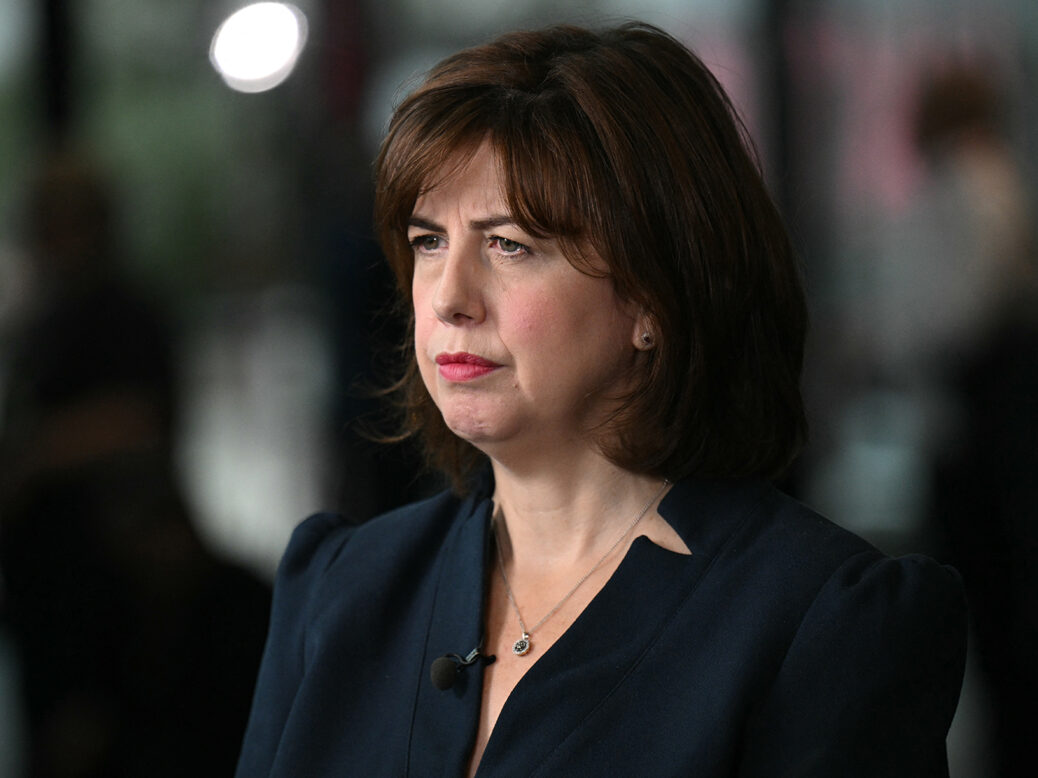
There is an atmosphere of “fear and frustration” in the Labour Party, Lucy Powell’s campaign chair has said as the race heats up.
In his first email to Powell’s supporters, Justin Madders, who was sacked as a minister in the reshuffle, appeared to criticise the current mood among members but said the deputy leadership campaign was “not about kicking the government”.
In the “State of the Race” update, which is due to be a weekly fixture for the rest of the contest, he said: “This will be a positive campaign turning fear and frustration to hope and pride. Lucy has made clear this is not about kicking the government, but helping it to succeed. To do that we need to listen and respond to a wider group of voices, particularly in the PLP and in our movement who hear from their communities every day.”
As Powell allies are keen to point out, she is not yet on the ballot paper. Only Bridget Phillipson is currently a fully fledged candidate after receiving a flurry of trade union endorsements this week (including, as of Friday, one from the National Union of Mineworkers). Powell’s preferred route is through the constituency Labour parties. She needs 5 per cent of them to nominate her by next Saturday in order to qualify.

It’s eminently doable, but her campaign say they aren’t taking anything for granted. In his email Madders told supporters: “we really need your help to get members to attend their nomination meetings. We may not have the most resources but we have the most enthusiasm amongst members”.
The primary reason for these warnings is that the campaign wants to leap onto the ballot with a stonking great show of support from CLPs up and down the country before member voting begins.
But a secondary reason, I suspect, is that Powell’s campaign is betting hard on the underdog factor taking her over the line when Labour members cast their votes.
Campaign allies regularly highlight the lack of a Powell “machine” compared to Phillipson, who has the support of some big internal party campaigning groups like Labour First. Madders told supporters in his update: “We know that our opponents have an infrastructure and organisation already in place.”
The subject of funding also comes up, with suggestions that Powell will rely on small supporter donations while Phillipson could stand to benefit from larger bungs from big party donors. We will have to wait for the MPs’ Register of Interests to be updated, possibly after voting has closed, to find out if there is any truth in this.
In any case, the playing field will be somewhat levelled. Each campaign has been allocated two texts and two emails to be sent to members by the central party machine (the separate campaigns will not be allowed access its trove of member data).
But the underdog factor allows Powell to have the vibe of a left-wing challenger without straying too much into firm political positions. It’s still early days, but beyond criticising the welfare cuts and pushing for an end to the two-child cap, her rhetoric so far has been moderate relative to the views of members.
For example, in her big interview this week, on Nick Robinson’s Political Thinking podcast, Powell was not exactly a left-wing firebrand. She said that immigration has “some benefits” but spoke of “downsides” and a “loss of control”. She said she regretted her “dog whistle” remark about the grooming gangs scandal earlier in the year. She would not be drawn on the question of a genocide in Gaza (“for an international court”), and said “I’ve never claimed to be particularly working class”.
Phillipson could have given identical answers, including a new commitment to fight child poverty as deputy leader – except on the working class point, where she would have had more of a claim. The political difference between the candidates is narrower than conventional wisdom dictates. But what we might call the “vibes gap” is growing wider.
[See also: Your Party’s implosion is a gift to the Greens and Labour]
Content from our partners



Related


Join the debate
Subscribe here to comment