

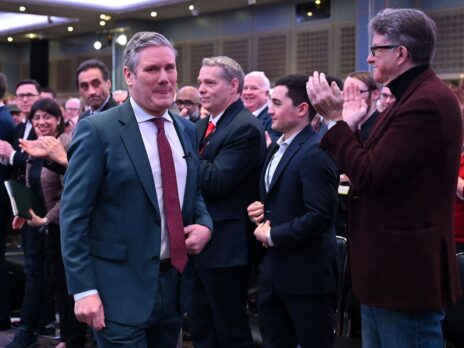
It’s April. It’s a few weeks to the Runcorn and Helsby by-election. Organisers know it’s tight. Activists know it’s tight. Some estates and a few villages are looking good for Labour. Others are looking dreadful. The Labour campaign is searching for a winning strategy. Keir Starmer is not to be found.
Labour threw a lot of strategies at the Runcorn and Helsby by-election. But one stays with me. As the activists piled in for their morning briefings before taking to the doors, the advice was simple, and surprising:
“Don’t say Reform.”
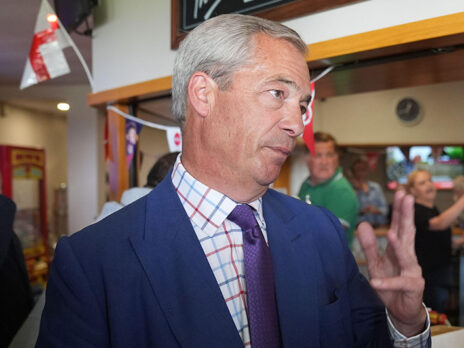
Instead, campaigners were encouraged to ask what voters on the doorsteps thought of Nigel Farage himself. But why elevate Farage, some wondered. Why even mention his name? Activists discarded the advice immediately, adamant they knew better. But others saw the sense. Counterintuitively, it’s a sound strategy. And there is public data to talk about it.

Reform is polling in the lead right now. And the local elections prove it: the party didn’t just win the coastal region of Lincolnshire, or Ashfield in Nottinghamshire, it won in what were traditional Con-Lab battlegrounds. Projecting what these numbers would mean in a General Election is a fool’s errand. First past the post is not made for four/five party politics. So Reform could win as few as 150 seats in the House of Commons. Or as many as 350. That’s where we are right now.
But Nigel Farage, who polls better than anyone for voter favourability, is floundering on one key metric. He trails as a prime minister in waiting. Britain needs Reform? Yes, say most voters. But does Britain need Farage? There is surprising reluctance. Survation and YouGov have both done the polling and while Reform has party poll leads, Keir Starmer still – somehow – leads the country as the public’s preferred prime minister.
This all exposes something critical: Farage struggles on the question of officialdom. He is the Wat Tyler of our time. He speaks for the many. He speaks for the rabble. But the many do not see him becoming one of the chosen few. Did the peasantry wish to elevate Mr Tyler to Kingship?
Which brings us to the Labour strategy. Farage is both a strength and a curse for Reform. The more the voters and media take Reform and Farage seriously, the more the voters will have to give consideration to the rising reality that Reform and Farage may very well form the next government. This is a weak point for the party.
“It’s this government or reform” – the results write themselves.
But “it’s us or Farage” – now that’s a strategy.
[See more: Nigel Farage chases the Welsh dragon]
Content from our partners



Related

Join the debate
Subscribe here to comment