
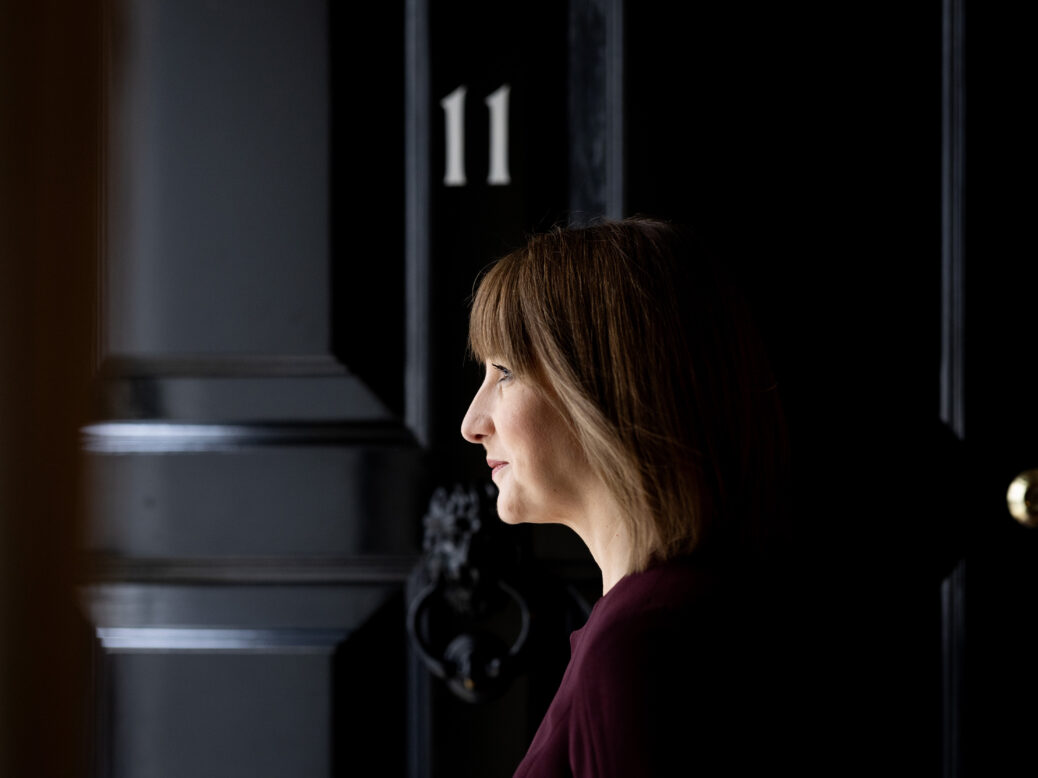
The Budget is a process, not an event. That much was clear this week as Rachel Reeves indicated that tax rises and, potentially, spending cuts are on the way.
Two weeks have passed since the Office for Budget Responsibility’s first forecast – estimating the size of the “black hole” she must fill – landed on the Chancellor’s desk. On Monday, Reeves will receive the second version, with three more to come ahead of the Budget on 26 November (the final one just five days before).
Think of this as a negotiation between the OBR and the Treasury, with the latter pushing for as many pro-growth measures as possible to be incorporated or “scored” in the forecast. Reeves hopes that the government’s new Planning and Infrastructure Bill as well as the three trade deals with, respectively, the US, Europe and India will be factored in (every 0.1 percentage point shift is worth £9bn).
What’s clear is that, however generous the forecast is, Reeves will need to raise taxes by far more than originally planned. The Chancellor doesn’t just want to maintain her “headroom” of £9.9bn, she wants to increase it (something that, as Morning Call reported back in July, bond vigilantes have been pushing for). An extended freeze in income tax thresholds, a new tax on online gambling and a rise in the bank profits levy are among the likely measures.

But Reeves’s defining judgement will be whether to break Labour’s manifesto and raise income tax, VAT, National Insurance (on employees) or corporation tax. The government’s past insistence that it would keep such pledges has become a looser declaration that “the manifesto stands”. Yet what stands today can be “stood down” tomorrow – as Labour’s £28bn green investment pledge was in opposition.
Those at the top of No 10 and No 11 have long dismissed voices that are intensely relaxed about abandoning the manifesto. First, it would amount to a breach of trust at a time when public cynicism about politics is already high. Second, it would directly raise voters’ cost of living even as they contend with sustained inflation.
There are recent precedents for chancellors raising taxes on low and middle earners. In 2002, Gordon Brown increased National Insurance by 1p to fund higher NHS spending; in 2021, Rishi Sunak raised NI by 1.25 points for social care. But the differences are obvious. As a former Treasury aide puts it: “One rolled the pitch, the other faced a pandemic.”
Hence Reeves’s deep reluctance to depart from the manifesto. But the most important signal the Chancellor sent this week was this: she will “always make sure the numbers add up”. Reeves knows that history is littered with the corpses of Labour governments deemed to have failed in this duty. In a contest between her fiscal rules and her tax pledges it is clear which will prevail: her rules. Whether the Chancellor is forced to make this choice will in part hinge on that private battle with the OBR.
This piece first appeared in the Morning Call newsletter; receive it every morning by subscribing on Substack here
[Further reading: Tax the old]
Content from our partners


Related
Join the debate
Subscribe here to comment