
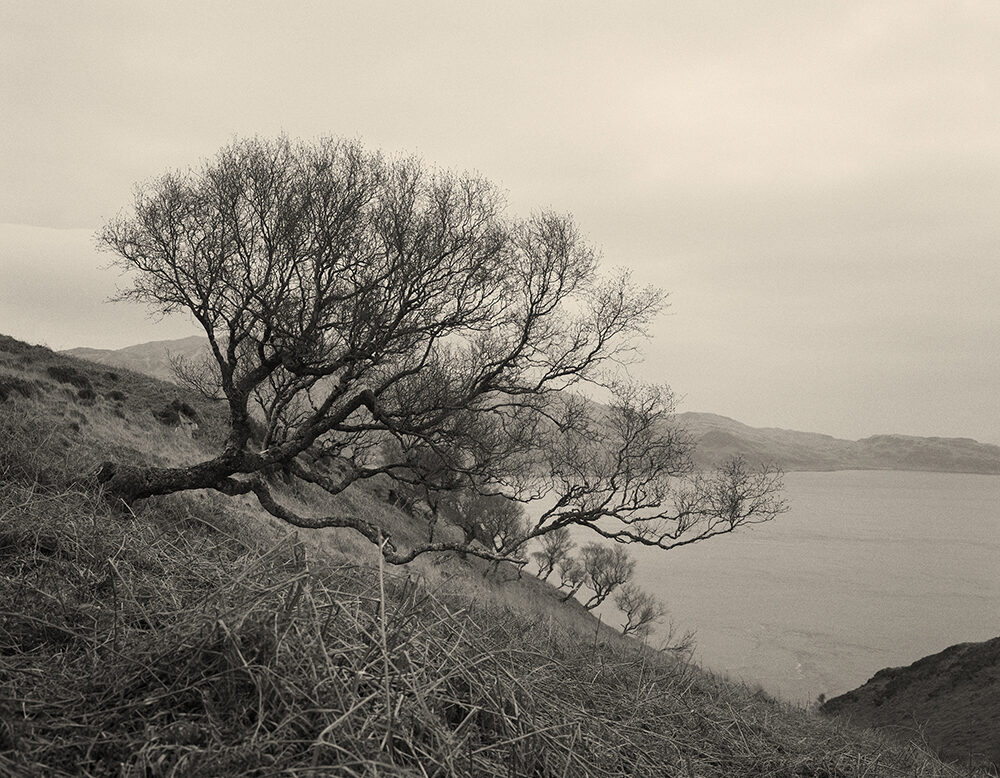
Craig Easton’s An Extremely Un-get-atable Place takes us to the island of Jura off Scotland’s west coast, and to Barnhill, the farmhouse where George Orwell spent much of his time in the final years of his life. The remote house remains much as it was when Orwell lived there. It stands apart, shaped by weather, sea and long stretches of quiet. The pull of the place is unmistakeable, somewhere both work and life might gather themselves again.
Having leased the house, Orwell made his first extended trip there in 1946 with his infant son Richard and the housekeeper who helped care for him. His wife, Eileen, had died the previous year, and the move to Jura was, in part, an attempt to build a life again. He was ill, often isolated, and his writing from this time turns repeatedly to the natural world. He believed that small, uncostly pleasures sustained people through difficult moments. It feels right that Easton opens his book with Orwell’s reflections on spring and the value of noticing simple things.
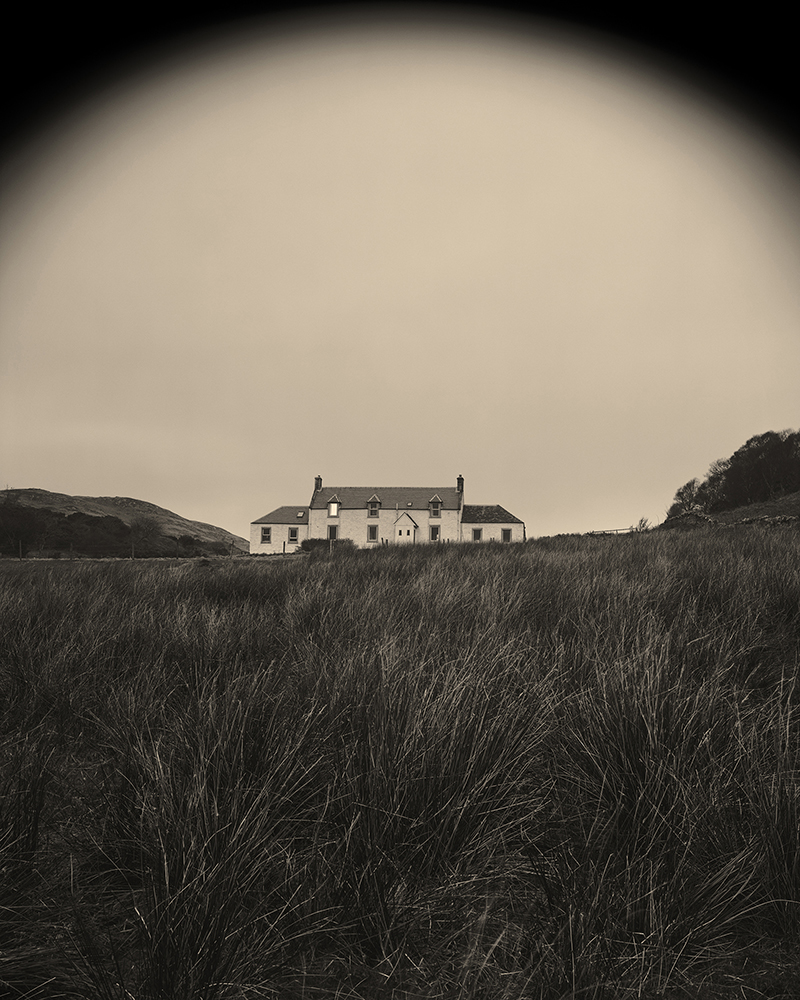
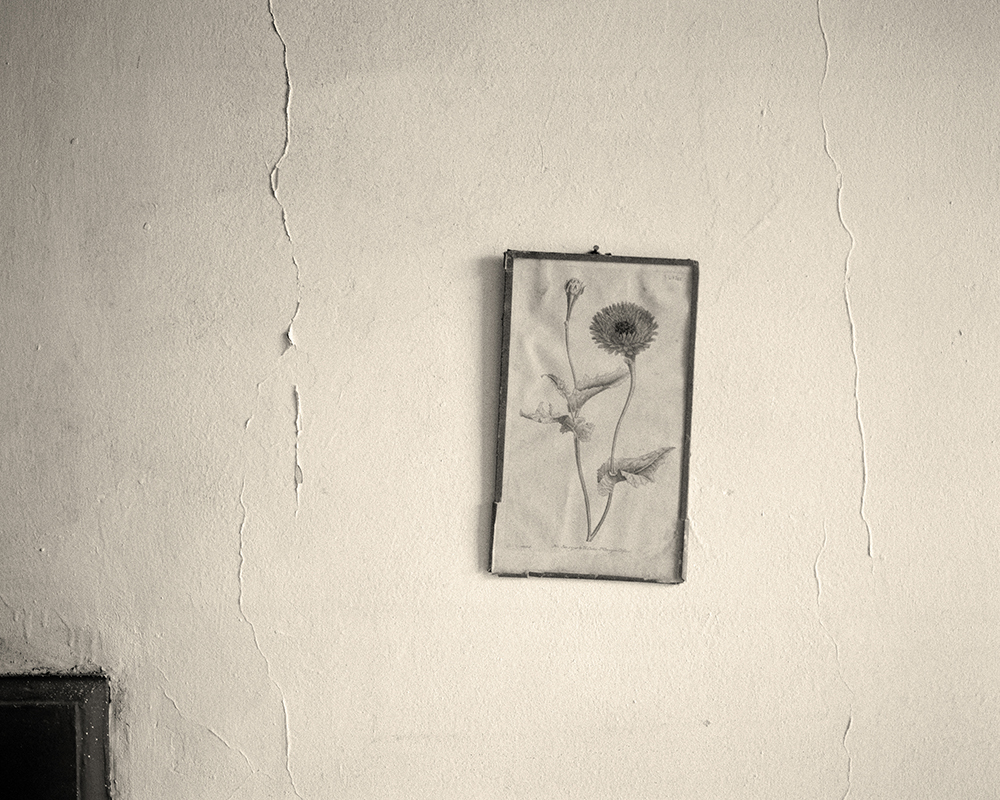
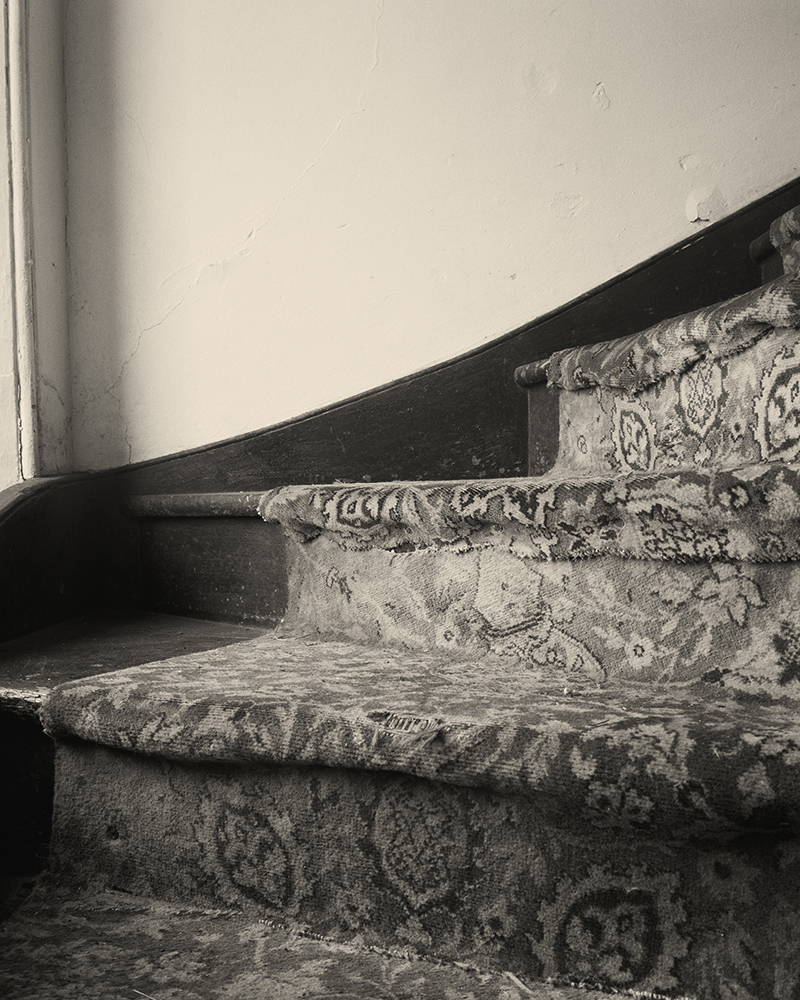
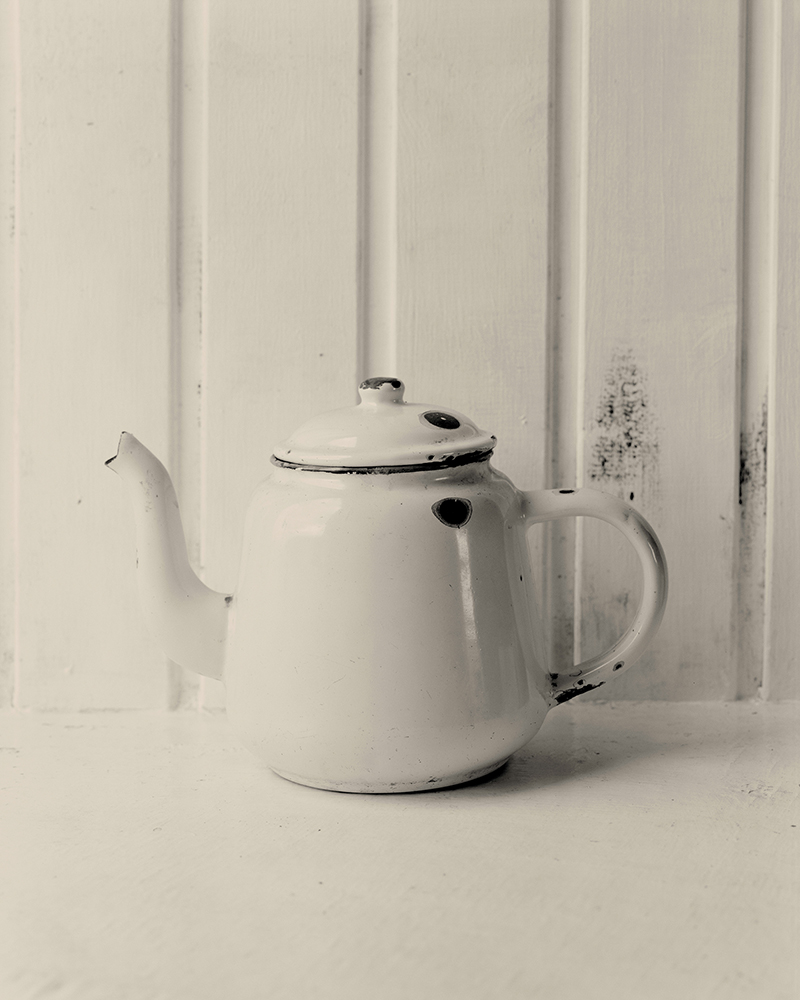

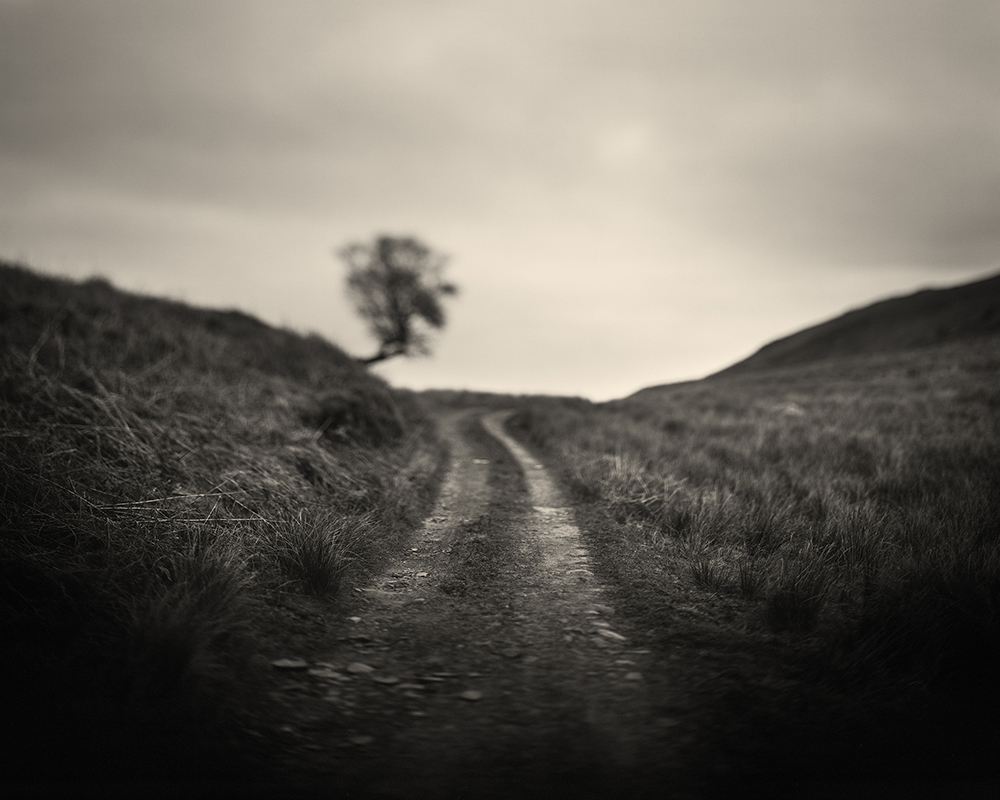
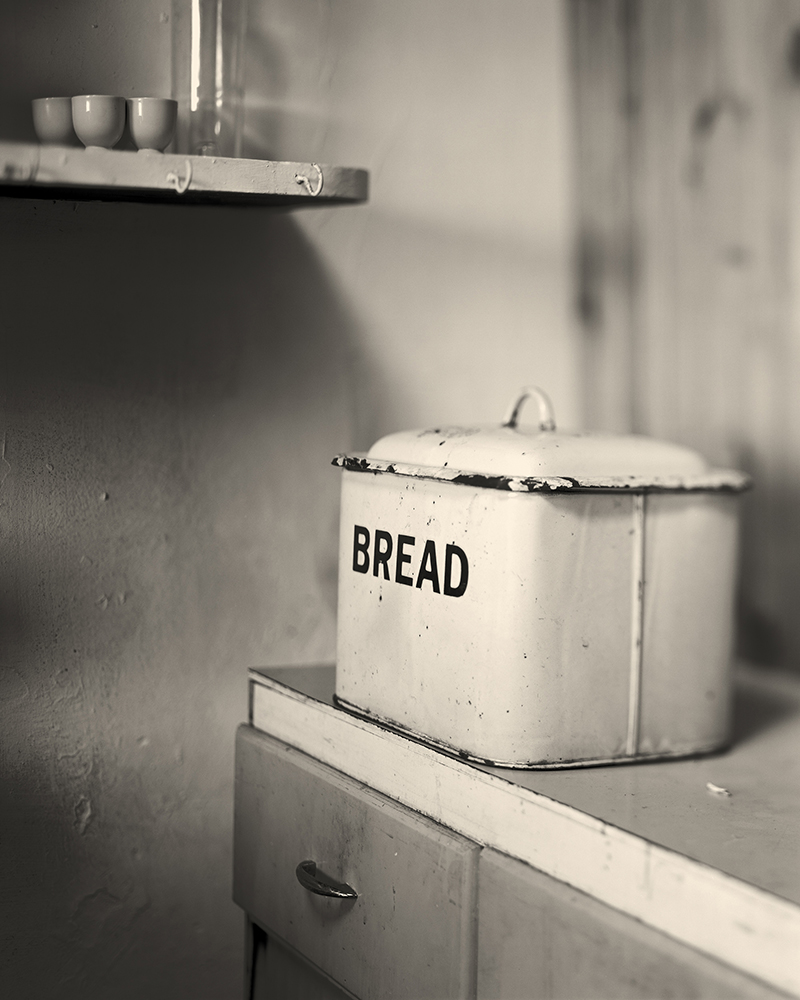
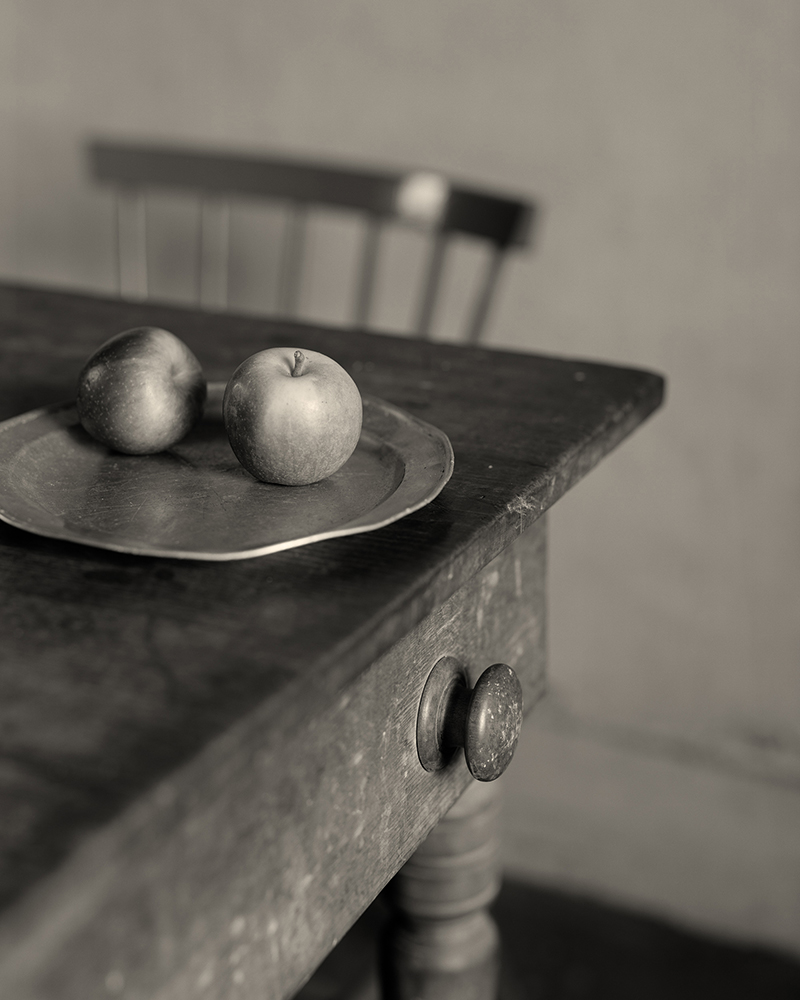
After years spent on overtly political work, Easton wanted to make something that carried a quieter, more hopeful response to the world. He had been thinking about how easily people become entrenched in their ideological corners and how readily the idea of an “other side” takes hold. Easton stayed at Barnhill and worked with a 10×8 field camera, moving at the natural pace of the island. The photographs take the form of hand-made silver gelatin prints, toned in strong tea – a method that suits the atmosphere of the book and nods to Orwell’s lifelong devotion to the drink; he wrote about how a well-made cup could steady a person in difficult times.

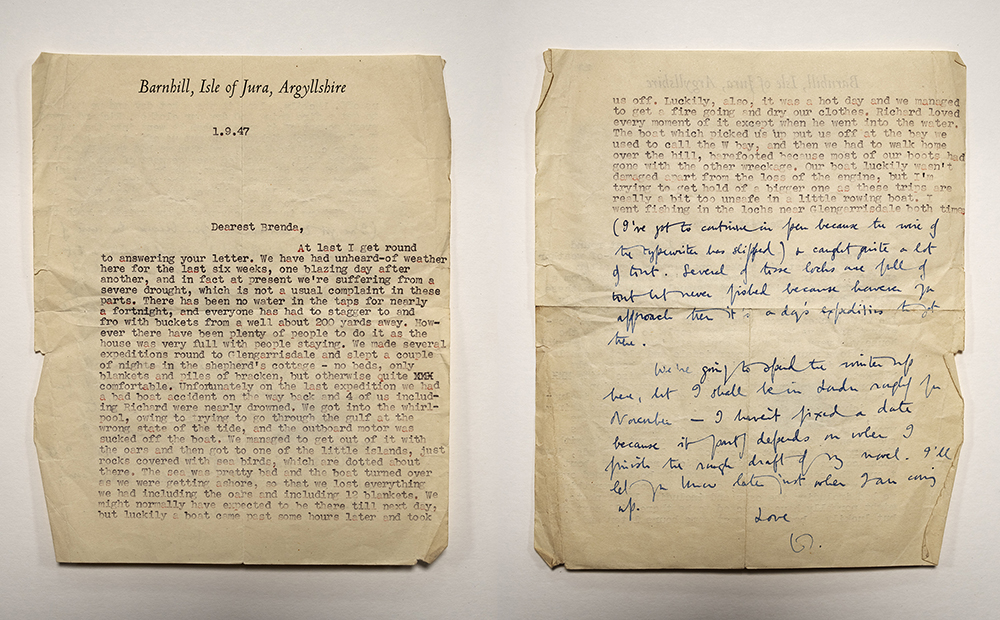
An Extremely Un-get-atable Place keeps Orwell in view without trying to recreate him. What emerges is an appreciation of the conditions he lived in and the convictions that shaped his work, from a distrust of tyranny to a belief in everyday observation. Jura offered him the solitude and hard physical reality in which those convictions could take root. Pages from Orwell’s diaries and letters appear throughout; the hurried handwriting offers glimpses into his final days writing Nineteen Eighty-Four. Easton is clear that Orwell did not go to Jura to withdraw from the world: he went to start a new life with his son, to plant a garden, and to write about a future he feared was being shaped by competing spheres of influence. Even the act of completing that book while dying was, to Easton, a form of hope.
What stays with you is how closely the place and the work are entwined. Jura shaped the pace of Orwell’s days and the clarity with which he wrote. Easton’s photographs return that connection to view, showing how the landscape he lived within helped form his thinking to the end.
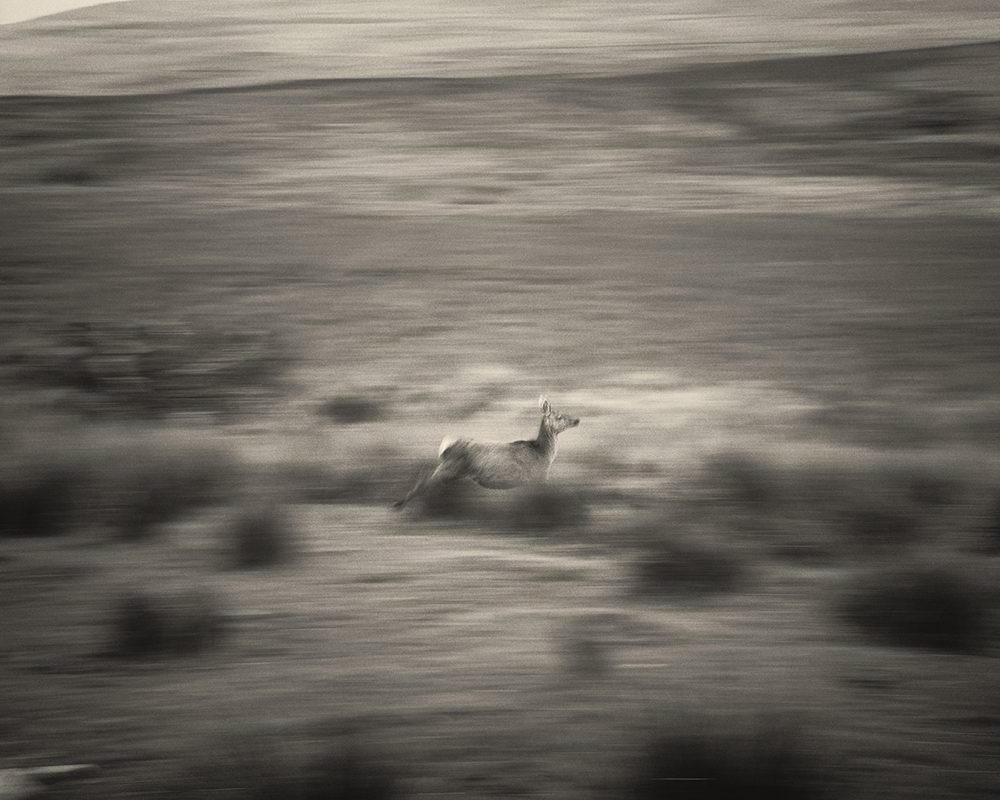
“An Extremely Un-get-atable Place” is published by Gost. Signed copies are available from craigeaston.com
[Further reading: Marina Abramović will live forever]
Content from our partners


Related
This article appears in the 12 Dec 2025 issue of the New Statesman, All Alone: Christmas Special 2025
Join the debate
Subscribe here to comment