
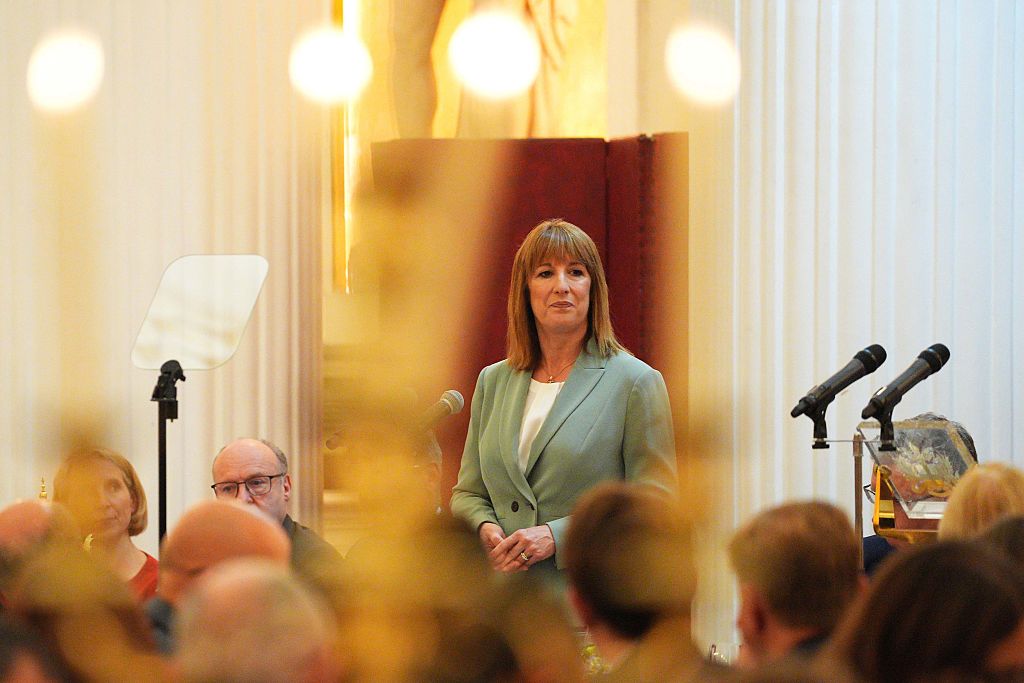
After last night’s Mansion House speech, in which Rachel Reeves promised an audience of City financiers that she would reduce regulation of financial services and encourage risk-taking by investors, the Public Accounts Committee has released a report this morning which suggests the state isn’t doing the greatest job of taxing the wealthiest in society. “HMRC does not know how many billionaires pay tax in the UK or how much they contribute overall,” the report finds. This sounds bad. It will certainly lead to even louder calls for a wealth tax from the left of the Labour Party and groups such as Patriotic Millionaires. But does HMRC need to know who’s a billionaire?
Campaigners will doubtless be incensed by the revelation that “HMRC has no overview of an individual’s total wealth,” and that “despite the relatively small number of individuals and significant sums of money involved”, HMRC can’t identify how much tax billionaires in the UK pay. But the point of HMRC is to implement tax law, and because the UK does not currently have a wealth tax, it does not actually have a duty to target billionaires specifically.
What the PAC’s report really shows is not that HMRC is allowing billionaires to get out of paying tax, but that a wealth tax targeting billionaires would be very difficult to implement. HMRC’s job is to target activity – income from work or the sale of assets – rather than assessing how rich individuals are and trying to tax them on that basis.
The reason for this is that it is much easier to identify taxable events than it is to identify taxable assets. As the report also notes, hundreds of billions of pounds’ worth of those assets are held offshore, behind structures that make their ownership unclear. The easier option is to tax them when they’re sold.

Implementing a wealth tax of (for example) 1 per cent on assets over £10 million would require HMRC to do regular full market valuations of the assets of tens of thousands of people. Many of them would dispute they were as rich as HMRC claimed, and rightly so. After all, the 52-week range in value for the FTSE 350 index is over 15 per cent. Someone who is a billionaire in March might be a piddling centimillionaire by June. New perverse incentives might be introduced – such as the incentive to devalue the value of your company stock at a certain point each year to minimise your wealth tax liability.
The more direct “wealth taxes” that are collected in the UK are on property ownership – council tax and business rates – and are therefore not actually collected by HMRC, but by local authorities. One option for taxing wealth more would be to simply allow councils to add new council tax bands at higher rates for bigger properties.
HMRC has (as the PAC’s report also notes) made significant gains in the tax it collects from wealthy individuals. I have reported extensively on HMRC’s failings and am only too happy to point out when it doesn’t know something that it should. But in this case, HMRC is not obliged to know how much a poorly defined group of “billionaires” contributes – and until the tax system changes, it has no need to do so.
[See also: The OBR is always wrong]
Content from our partners



Related



Join the debate
Subscribe here to comment