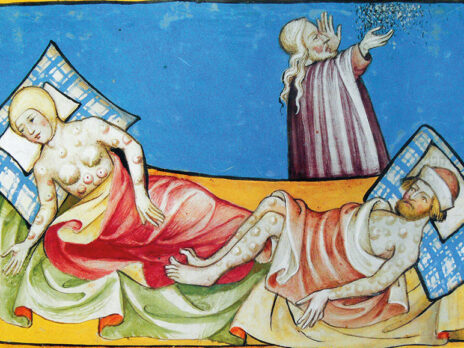
What did the Black Death ever do for us?
A history of the Black Death overlooks its more surprising developments
ByReviewing politics
and culture since 1913

Discover the latest non-fiction books and must-reads with the New Statesman’s expert reviews. Including biographies, music books, political writing and more.
A history of the Black Death overlooks its more surprising developments
By
Siri Hustvedt’s reflections on the death of her husband offer a wise meditation on grief and its many mutations
By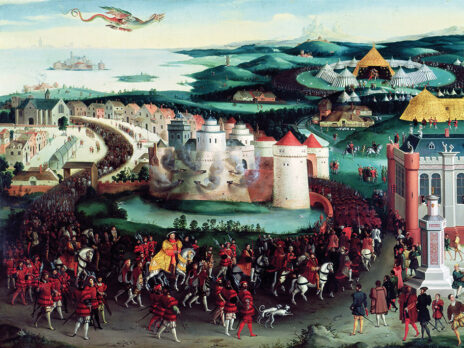
Tudor and Stuart England was more a porous nation than a sceptred isle
By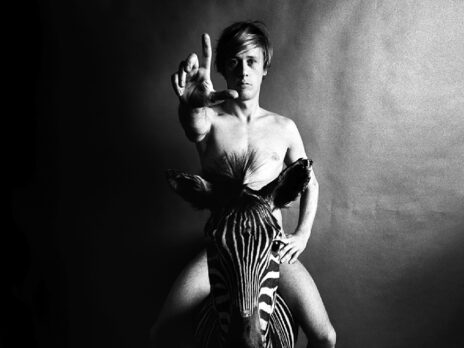
Peter Hujar and Paul Thek were at the heart of New York’s 1960s art scene but preferred the fringes
By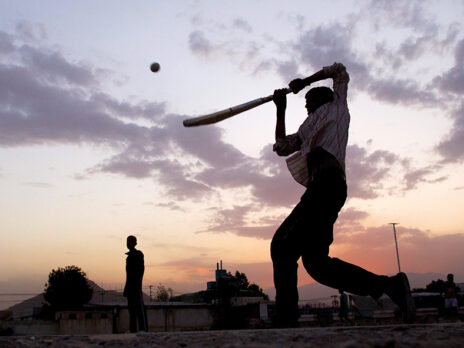
The game’s history is full of instances of foul play
By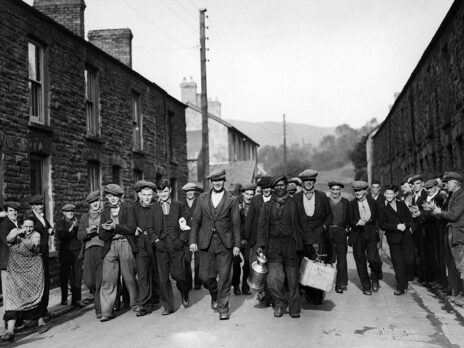
The history of the labour movement is less about class struggle than the fight for universal values
By
This new biography has done a great writer a disservice
By
As the book appears to be dying off, we might finally be learning to appreciate it
By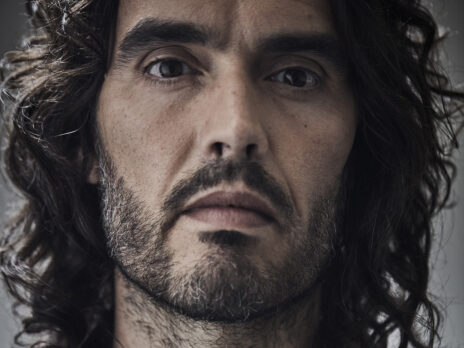
The controversial star’s conversion is more cult-like than Christlike
By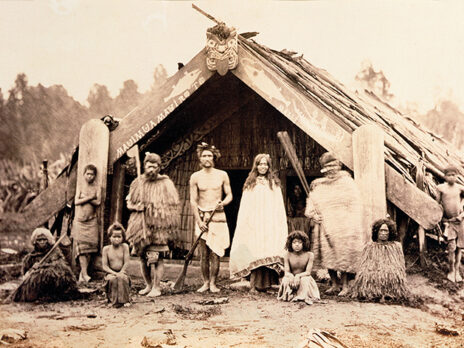
Sophia Smith Galer’s book is a rallying cry against linguistic extinction
By
Demis Hassabis has dedicated himself to guiding machine intelligence for the betterment of humanity – but is it listening?
By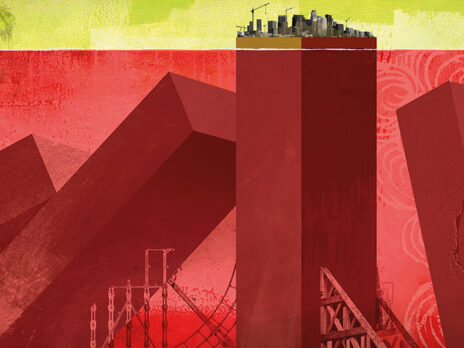
Hettie O’Brien’s The Asset Class reveals how a morally dubious business financing model swallowed the public sector
By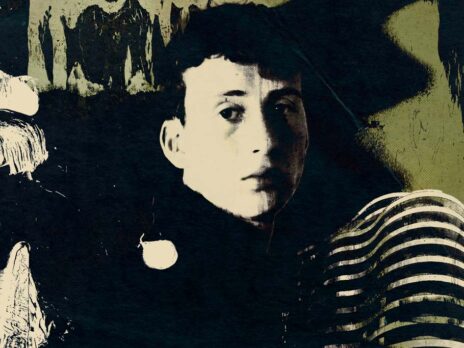
In London Falling, the American journalist presents the capital as a dying, amoral city
By
The transgender travel writer was both temperamentally conservative and deeply unconventional
By
The author’s new novel, Palm House, lacks her usual virtuosity
By
How the electronics company went from near bankruptcy to global dominance – and changed our lives along the way
By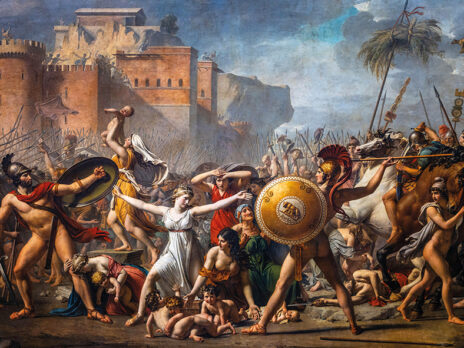
Roderick Beaton’s spirited history of the Continent cannot square its idealism with the bloody story that it tells
By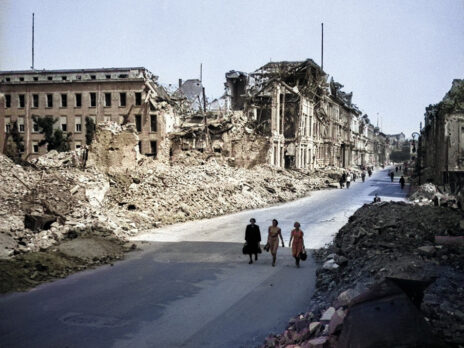
Ian Buruma’s account of his father’s years in a German factory accounts department is moving but limited in scope
By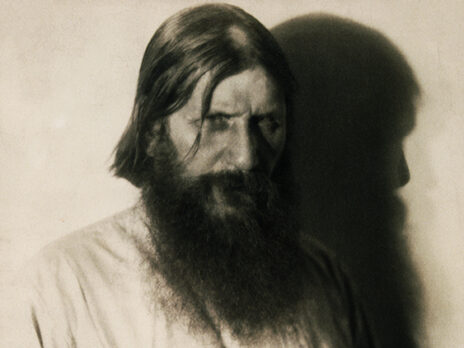
He dazzled the tsar and tsarina with his virile charisma. But, as Antony Beevor shows, he also inspired their demise
By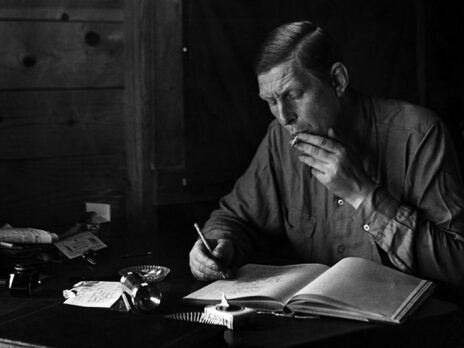
The poet was a restless spirit, haunted by his own Englishness
By