
How often do you think about the Dark Ages?
The period may have as much contemporary resonance as Ancient Rome.

Last week, when someone told me they were working on a project about the early medieval origins of the English language, my eyes lit up. “I love the Dark Ages!” I said. “Ah well, that’s normal,” he replied. “You reach your 40s, you develop a fascination with the Dark Ages.” It is a source of great sadness to me that this seems not, alas, to be true. There has been endless public discussion of whether some men are obsessed with the Roman Empire (plus a fair bit of private discussion with my mates, which suggests that some of us are). There’s been relatively little such discussion of the Anglo-Saxon invasions or the Heptarchy. And while some normal, well-adjusted men may compare ...
Robert Jenrick and the myth of “two-tier justice”
New sentencing guidelines have become the tool of cynical politicians playing divide-and-conquer politics.

It was only a few years ago that a British justice secretary proudly stood up in parliament and pledged to “address racial disparity in our justice system”. He was even specific about the tools that could be used to achieve this aim, stating that the government aimed “to improve the way in which pre-sentence reports are prepared, in order to eliminate bias”. It was the summer of 2020, and these were the words of Tory minister Robert Buckland, delivered to approving nods from his colleagues. In wake of the Black Lives Matter street protests, Conservative politicians were falling over themselves to say that they wanted to “do more” to address the racial inequality that was evident in the institutions of ...
Trump’s spell has been broken
The US president is hurting rather than helping ideological allies such as Nigel Farage.
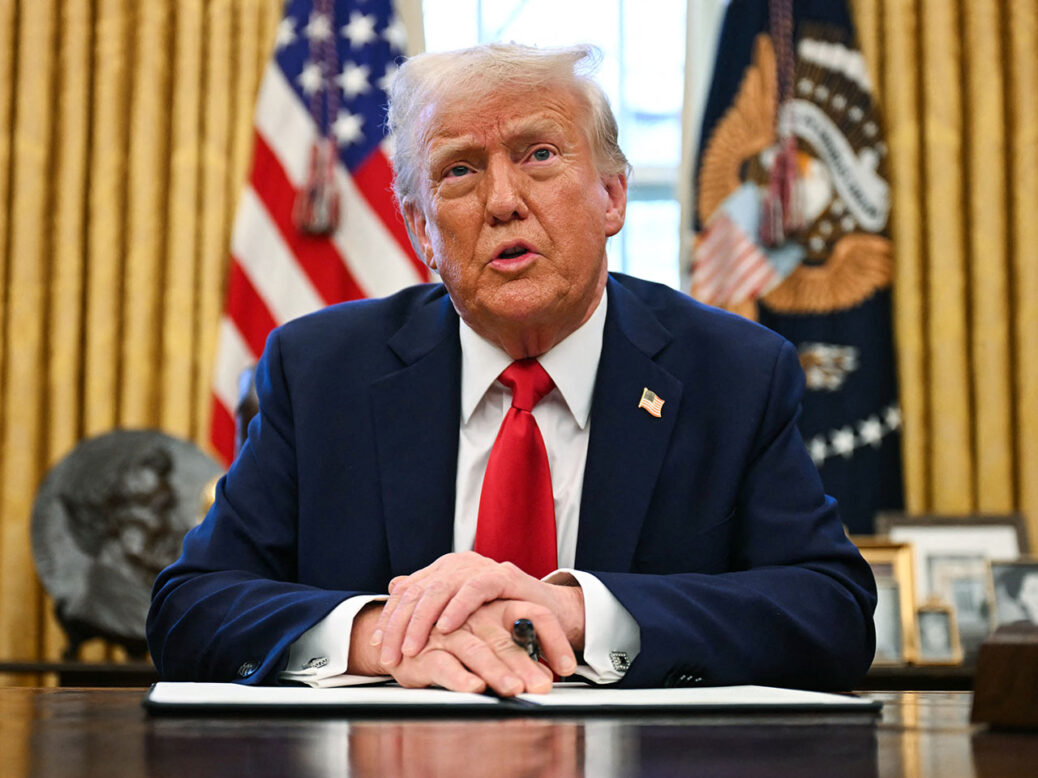
Westminster ended last year in a strange place. Conversation was dominated by the question of whether Nigel Farage could become prime minister. No 10 grew weary of being asked how it would respond if Elon Musk donated $100m to Reform. Despite the Conservatives’ worst-ever election defeat, there was an ideological swagger to the right. As well as Labour’s early woes, this reflected Donald Trump’s triumph in the US. Like Lenin’s Bolsheviks before him, the thinking ran, he would seek to export his revolution. Farage, who toasted Trump’s victory at Mar-a-Lago, would be one of the biggest beneficiaries. Amid the frenzy – some in SW1 spoke as if the next election was a done deal – I tried to keep perspective. “[Farage’s] political ...
Labour has learned that austerity is hard to avoid
As long as economic growth remains anaemic, pressure on spending will endure.

It is becoming increasingly commonplace to hear complaints from the left that this Labour government is proving to be rather right wing. On the big tax and spend decisions, it is alleged, Keir Starmer and Rachel Reeves are acting like Tories. The criticism is set to get louder in a few weeks when Reeves seeks to meet her fiscal rules by imposing welfare cuts. It will feel very much like something from the George Osborne era of austerity. Ministers, of course, will deny this and argue that the circumstances today are very different to those of 2010 and subsequently. But as someone who was part of Osborne’s Treasury team at the time, I am not sure they are so different. The starting ...
Why Starmer will champion a smarter state
Labour knows the centre left has the greatest interest in government working well.

The Ukraine crisis, almost everyone agrees, has been the making of Keir Starmer. Commentators liken him to 2008-era Gordon Brown or even Winston Churchill as they anoint him “the new leader of the free world”. But inside No 10, strategists are more circumspect. Though they welcome the rise in Starmer’s approval ratings, they know that he will ultimately be judged on his domestic record (Brown and Churchill, remember, both lost post-crisis elections). “The public mood on national security, on defence spending, on Ukraine isn’t set – you’ve got to bring people with you,” one tells me. Downing Street does, however, intend to use the political momentum that it suddenly enjoys. Starmer will seek to do so this week with a speech on ...
Keir Starmer’s hollow state
Labour’s planned welfare cuts are further evidence of a government running scared from two political foes: the City and Nigel Farage.

What ever happened to the “strong state”? When the Labour Party won power last July, commentators announced the arrival of an “activist” and “interventionist” government, which would ditch the dogmas of laissez faire and confront the issues of the day: chronic stagnation, climate collapse, ragged public services. Rather than simply “correcting market failures”, the Financial Times predicted, Keir Starmer’s industrial strategy would reshape the economy in line with his political priorities: a historic shift in a country where the dominance of rentier capital is rarely disputed. It did not take long for Labour to deflate these expectations. Its most ambitious policy – the Green Prosperity Plan, which had initially earmarked an annual £28bn for switching to clean energy – was downsized ...
Keir Starmer must reassure pragmatic liberals
There is no appetite among British voters for Trump-style disruption and populism.

Keir Starmer has often been criticised for lacking a clear vision and plan for government. Elected with a broad and disparate coalition of support, and with a practised lawyer’s desire to take each case as it comes, Starmer’s early months as Prime Minister have been characterised by ambiguity. The defining policies of the new government have therefore often been deeply unpopular decisions, such as means-testing the winter fuel allowance, rather than anything more distinctive. Starmer’s personal ratings have fallen rapidly as a result. To their credit, No 10’s core team have fought to overcome this tendency. But commentators still complain that it has been hard to discern a singular vision. Different ideas have vied for attention – respect for working people, ...
How Russia uses sex to ensnare Western diplomats
Even in our age of high-tech cyber espionage, the oldest tricks can be the most effective.
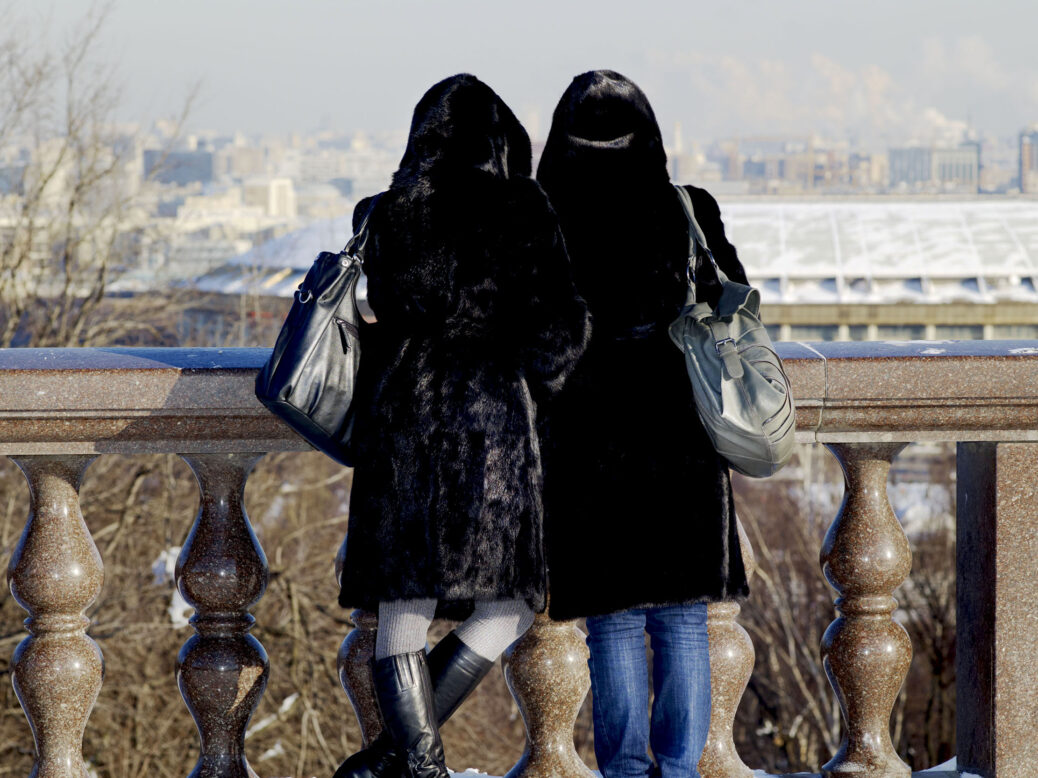
A Western diplomat in Russia tells me that he has never been so lonely. With relations between his government and the Kremlin even cooler than the sub-zero temperatures outside, he is adrift in unfamiliar terrain. But it’s not as though he’s short of company: everywhere he goes, he is stalked by women whose sole desire is to make passionate love with him, amenable to any acts, groupings and positions that would best serve his erotic bliss. “It’s hell,” he sighs. What’s the catch? The women are honeytraps, agents of the Russian government sent to lure him into a compromising position so as to extract information via love or blackmail. The very term honeytrap might seem reminiscent of a different age of ...