Tom Goodall is chief executive director at Related Argent, one of the largest privately owned property and urban regeneration businesses in the UK. Here he outlines the company’s priorities in the housing sector.
What are Related Argent’s priorities in the context of the housing crisis?
The government has ambitious plans to deliver 1.5 million homes by 2029, but at the current pace it will grossly under-deliver on this promise. The challenges are so significant that even achieving a rate of 300,000 homes per year by the end of this parliament would be a remarkable accomplishment.
To meet our housing needs, private and public sectors must collaborate effectively. However, urgency should not compromise high quality, good placemaking, and community building principles. We must continue creating places that people find meaningful and that cater to society’s evolving needs.
A successful new town or development is more than just a collection of homes – it’s a place where people feel a deep sense of belonging, pride, and ownership.
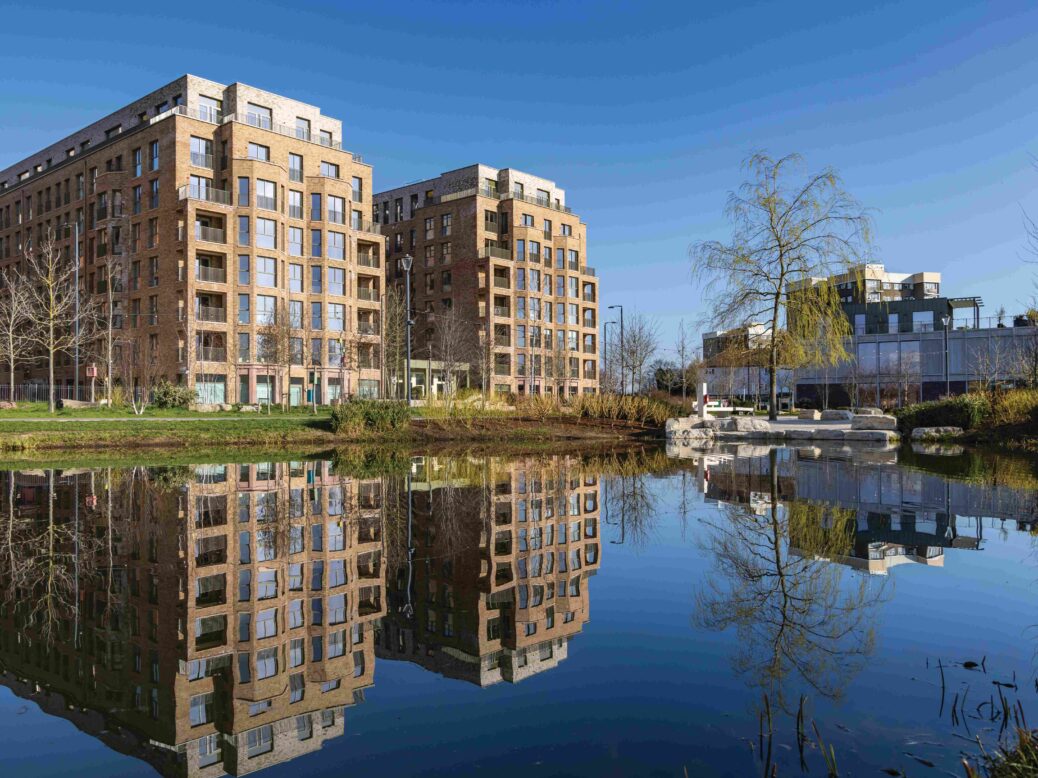
At Brent Cross Town in north London we are developing a 180-acre site with Barnet Council including the creation of 6,700 new homes. There’s an exciting mix of tenures available – properties for sale, affordable and student housing, rental homes and even homes for retirees – in order to bring together the facets which make a real intergenerational community. We prioritised the delivery of affordable homes first and have supported the relocation of existing Barnet residents into these apartments, as we recognise the need for good quality affordable homes in London despite challenges with financial viability.
What is intergenerational living?
There’s an important distinction to be made between multigenerational living – a term well used across the industry – and intergenerational living.
Where multigenerational living refers to different generations living side by side, intergenerational living means curating a community in which different generations meaningfully interact. It’s not enough to put retirement housing next to a university and expect the two to engage. At Brent Cross Town for example, we are consulting the community and working with industry partners to consider how we facilitate and encourage interaction and create a meaningful and dynamic neighbourhood, led by our pledge to put sport and play at the heart of our new town, supported by the 50 acres of public open space included in the master plan.
Furthermore, the age demographic of our population continues to evolve. For the first time in nearly half a century, approximately 18 per cent of the population are aged 65 and over. On the flip side, younger people have to overcome significant economic hurdles if they wish to own their own home.
The situation is complex, but the prioritisation of intergenerational communities is a powerful means of ensuring developments remain resilient to evolving demographics.
What benefits does it bring residents and communities?
Intergenerational communities address a multitude of today’s most pressing challenges, including social isolation, community cohesion and access to support services. There is clear evidence that breaking down age barriers and fostering a sense of community across generations can positively affect health and well-being. According to a study by University College London, intergenerational interactions can help combat loneliness and social isolation among adults by 60 per cent.
The Flourishing Index we have pioneered at Brent Cross Town, an industry first in measuring community wellbeing, is a means of keeping us accountable on our commitments to create a town that supports happiness. We partnered with Buro Happold and Manchester University to launch this tool that uses a mix of data collection methods, including surveys, observations and sensor technology. The index creates feedback loops from this data that will help shape the development journey at Brent Cross Town.
How important is it that intergenerational housing is affordable?
The delivery of affordable homes is a key priority for the whole industry, yet we continue to fall short of government housing targets.
In the 2023-24 financial year, affordable housing starts in London saw a significant drop, falling by 88 per cent compared to the previous year, with only 3,156 builds commencing.
Delivering the affordable homes the UK needs is a shared responsibility between the private and public sectors. If the private sector is going to succeed in its role to deliver a significant proportion of affordable housing, it is vital that we work to collectively to grow the proverbial pie to ensure financial viability, more construction starts and a bigger portion for affordable homes; requiring bold decisions to remove or smooth any obstacles in the way of that mission.
What progress have you made on this goal?
We’re pleased to have made significant progress at Brent Cross Town, having completed almost 800 homes – including 120 affordable apartments for existing Barnet residents, ensuring that they too benefit from the area’s transformation (since construction started in 2020).
However, we must not become complacent. The housing sector faces a storm of economic challenges, including high inflation, increased construction costs and higher borrowing costs – all of which undermine project viability and reduce the number of affordable homes that can be delivered. Furthermore, regulatory changes and the increased planning burden have impacted the speed in which the industry as a whole can move forward.
That said, our team works everyday to find ways through. Last year, we announced a partnership with Sovereign Network Group to deliver 50 new social rented homes at Brent Cross Town. Of course, 50 homes in the context of what we need to deliver is just a fragment. But in the context of affordable homes delivered in London, it’s substantial. In the first half of the 2024-25 fiscal year, only 582 new social homes were initiated in the capital.
Government has called for public-private collaboration in housing. How can the partnership become successful?
Public-private sector partnerships are fundamental to how we work. Whether it’s with local authorities, community organisations or businesses – working together provides the reach we need to create meaningful places.
It works best when it starts early and is based on shared ambitions and clear objectives. To make that happen, we must work together to overcome barriers to investment and housing delivery.
We must have a clear, stable, long-term vision and hold ourselves accountable to our promises. Our partnership with Barnet Council is a perfect example. By working together, we can create outcomes that reflect local needs and aspirations.

Related