
I don’t normally let the weather get to me, in the sense of letting it affect my mood, but there’s no way around the fact that it was a grim winter. I can’t remember one which was so unremittingly grey and rainy, and without even the consolation of snow. Or even the other consolation of being record-breakingly bad. In the summer of 2024 there was a dour solace to be found in learning that we’d just lived through the wettest 18 months since records began in 1836. It wasn’t just a subjective sense that “wow, the weather’s been really rubbish” – it was factually the case that nobody alive had lived through anything like it. I found that comforting, as a form of reality check: no, you aren’t imagining it; yes, you’re correct, this isn’t normal. Whereas this winter, it’s just been consistently dark and wet, day after day. Good riddance to it.
No, nay, never this wet
The last time I remember it raining every day for six weeks was an Irish summer in the mid Eighties, when I was travelling around with my mother, visiting relatives. We spent two weeks in Cork, two in Galway and two in Donegal, and it rained at some point every single day – but every day was also sunny, and windy, and most things in the middle. One of my alert systems for really bad weather is when family in the west of Ireland complain about it. When it comes to rain, they’re professionals. This winter, they were complaining.
A trying season
Still, there are glimmers of hope in even the longest and glummest winter. One of them, for anyone who likes sport, is the Six Nations. There is way, way too much sport on TV today. I remember the poet Ian Hamilton, who loved football as much as anyone I’ve ever known, saying there was too much football on TV – and that was more than 25 years ago. Now it’s completely ubiquitous, and devalued as a result.
But the Six Nations is different: it’s the right dosage, spread over just five match weekends; it has satisfying ebbs and flows between teams over the seasons; and an intergenerational flow as the teams go through coaching approaches and talent cycles. These can even have a tragic edge, as they do at the moment with the all-time historic low for the Welsh team.

But the extra reason the Six Nations is so satisfying is that it starts in the winter and ends in the spring. You start watching in the talons of February and finish in the predictable unpredictability of spring. The clocks are going forward, the daffodils are out, the air feels different.
Mind the ad gap
I might be moaning about the devaluation and ubiquity of sport on TV, but that doesn’t stop me watching it way too much of it. This week, cricket from Ahmedabad, rugby from Dublin and Rome, and football from Leeds. One thing you notice when you hop about between sports is the wildly different TV ads. The Six Nations had ads for electric cars, mobile phones, McDonald’s new chicken tikka wrap, Samsung, JP Morgan, mortgages, whisky, AI. The TV ads for cricket, especially in the day and for Test matches, are for stair lifts, erectile dysfunction medication and funeral pre-payment plans. You would never know that rugby is a niche sport in global terms, whereas cricket is by far the most popular game in the world’s most populous country.
Where bullshit meets insight
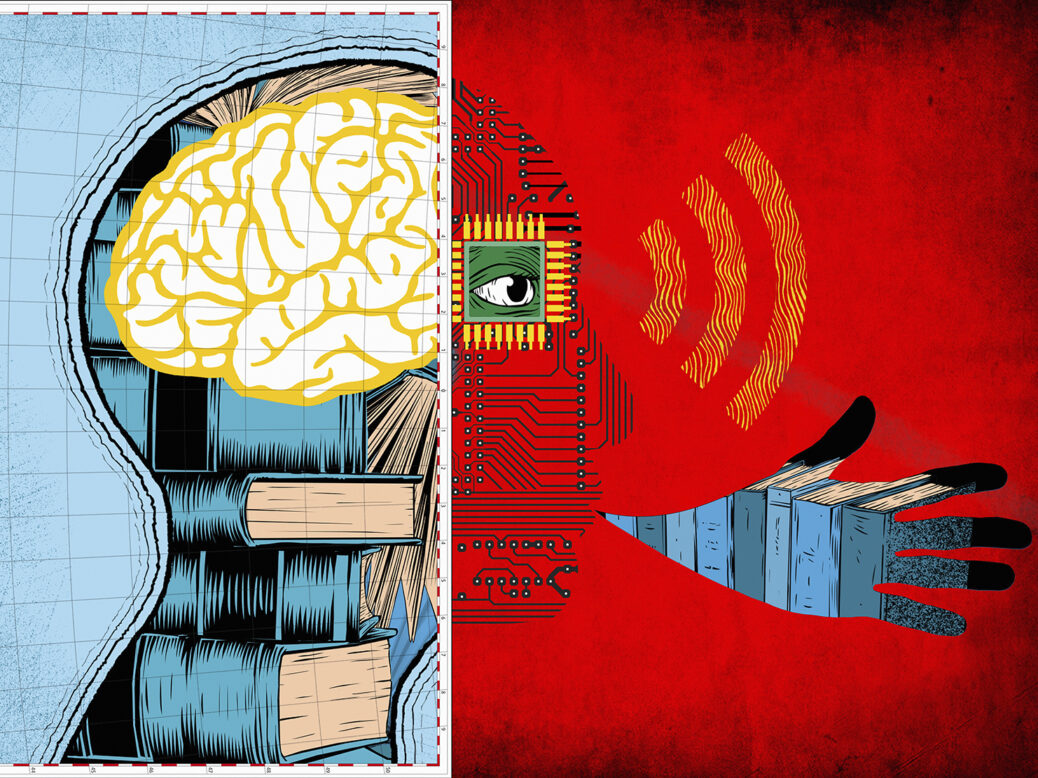
I had a social arrangement cancelled on me at the weekend, and felt a surge of relief. I fell to wondering if any language has a word for that specific feeling, of being glad a plan has fallen through. Conclusion: apparently not. After trying the net, I consulted various AIs, including Claude from Anthropic, who have been in the news for falling out with the US military. Claude was totally wrong, in a manner typical of AI, because it mentioned hiraeth, the beautiful Welsh word for longing over something irrecoverably lost. That can only be because hiraeth features in lists of words without equivalents in another language. But Claude also said this: “The fact that no clean word exists is itself interesting – it suggests cultures may have historically discouraged acknowledging that you didn’t want to attend something you’d agreed to. The feeling is universal; the linguistic gap is telling.”
And that’s the current state of AI. Bullshit and insight so perfectly blended that it’s only useful if you already know enough to tell them apart.
John Lanchester’s new book, “Look What You Made Me Do”, is published by Faber & Faber
[Further reading: Will Nato split the Green Party?]
Content from our partners



Related



This article appears in the 11 Mar 2026 issue of the New Statesman, The Great British Crisis
Join the debate
Subscribe here to comment