The new Prime Minister has received plaudits for his willingness to embrace the use of social media, and specifically TikTok, to speak directly to voters. Whether it’s taking questions directly from the public or debating pork scratchings vs scampi fries with the Chancellor, Mr Burnham and his team have recognised the power of TikTok in being able to reach people who may not otherwise be engaging in politics or the issues of the day.
The Prime Minister isn’t alone in appreciating that TikTok can be a powerful tool in helping people with a good idea, a passion or skill to reach an audience. Millions of creators, businesses and ordinary people are now using our platform to speak to the more than 30 million people across the UK who come to TikTok every month to enjoy content on every topic imaginable.
But that engagement doesn’t just stay on the screen. As an independent report by Public First showed recently, TikTok engagement translates into real-world experiences.
A video about a neighbourhood café is tomorrow’s lunch plan. A #BookTok recommendation becomes next week’s bedtime read. A clip from a coastal town or music festival can turn into a weekend away. A running route, a craft tutorial or a guitar demonstration can help someone find a new hobby, learn new skills and connect them with a community around it.

That is what makes TikTok different. It is not just a place where people watch content. It is a window and discovery gateway into the real world: a place where culture moves, businesses grow, people connect and ideas become reality.
The Public First report puts a number on that. It shows that activity supported by TikTok now adds at least £10bn to the UK economy and supports more than 150,000 jobs. Behind each of those jobs is a story: a creator who has turned a hobby into a business, a small business hiring to keep up with a surge in TikTok-driven sales, an advertising brand taking on new creatives, or a local restaurant that has never posted a video but whose bookings surged because their customers did.
For small businesses in particular, the ease of engaging on TikTok is helping break down traditional barriers and allowing them to prosper and grow.
On TikTok a good idea can turn into a viable business proposition without necessarily needing a big initial investment or prime high street location.
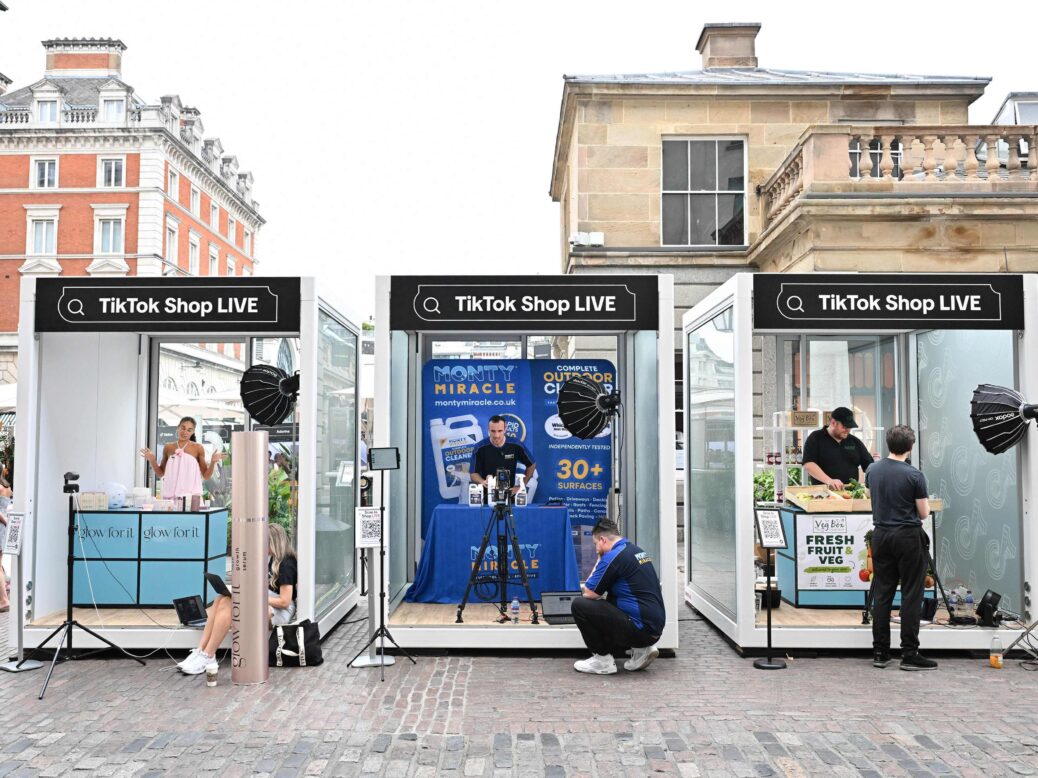
Take Malik Butchers. A traditional family butcher shop that’s been selling Halal meat since the 1970s. Situated in a residential area in Wolverhampton, footfall alone was always just enough to keep the lights on. But when brothers Adnaan and Manny started selling on TikTok Shop and using TikTok LIVE to speak directly to customers, business soared. Now they have an expanded team helping them ship their product and are in the process of hiring additional space to help them fulfil orders.
It’s also helped their physical store, with people travelling from as far as the US and Australia just to pop in, buy some food and meet the brothers in person. Adnaan and Malik are now setting their sights beyond their base in Wolverhampton, with plans for a second store in Stoke now under way.
The effect of TikTok as a discovery platform is being felt across the economy. In music, TikTok helps artists find audiences and fans find new songs. In fashion and beauty, it helps trends travel and brands break through. In tourism and hospitality, it helps people discover places they might never otherwise have visited, with TikTok discovery driving 2.3 million additional visits to towns, cities and attractions across the UK. It also helps facilitate learning. The report finds that our British users watch over 18 million hours a week of educational and learning content – whether that’s the likes of Big Manny, who teaches his over two million followers about chemistry, or Abby Foster explaining personal finance to a generation who never learned about saving in school.
It’s easy to assume that all this happens by accident, but, like any sector, government is important in helping these British small businesses, fledgling entrepreneurs and creators flourish in a positive and thriving online world. So what does that mean in practice?
It means recognising that the relationship between online and offline is more nuanced than is often assumed. The idea of the high street vs digital looks increasingly blurred when you consider that over six million people in the UK visited a café or restaurant in their local area, and 4.3 million visited a local independent shop, after discovering them on TikTok.
We also know that our users can only enjoy great content, discover a brilliant small business or be inspired to visit a new place if they feel safe on our platform.
That is why we continue to invest heavily in innovation to support safety, from content moderation to our £10bn Project Clover, which secures UK user data and gives unprecedented, independent oversight of our data protection systems to the respected UK cybersecurity company NCC Group to ensure confidence in how that data is used.
At TikTok, we are proud of our contribution to the British economy and culture, and are committed to growing that contribution even further, supporting British creators and helping businesses of every size reach our vibrant UK community.
Related