
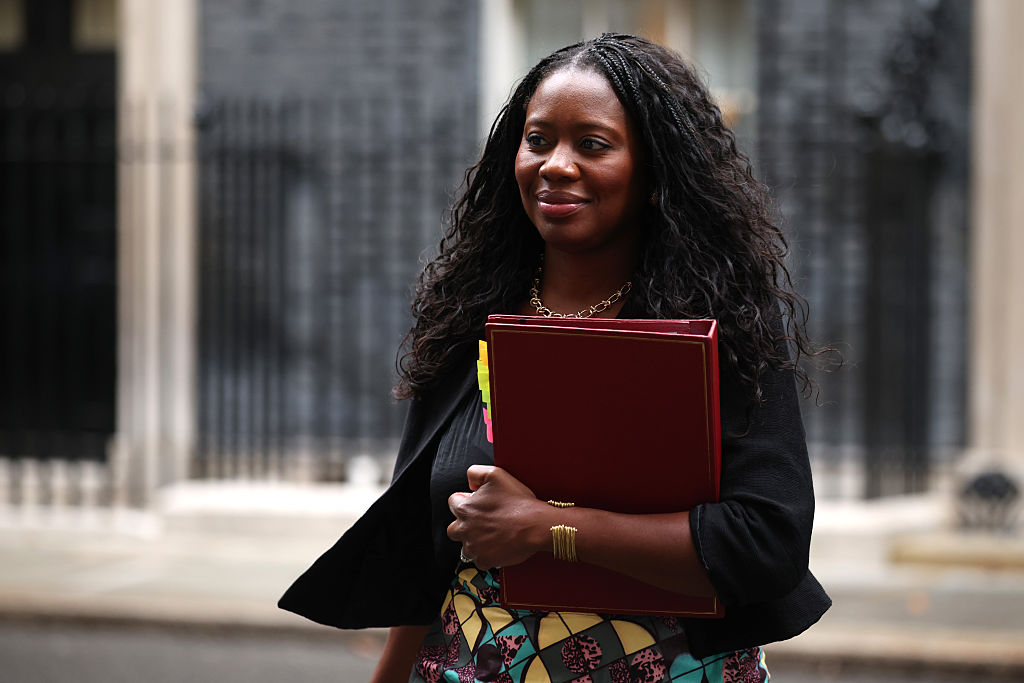
The Jackdaw gas field sits underneath the North Sea, 150 miles east of Aberdeen. For the past few years it – alongside the Rosebank oilfield – has been the subject of various consultations, legal spats and political wrangling over whether drilling there should be allowed. That confusion ended on Wednesday 21 October, when the Energy Secretary Miatta Fahnbulleh announced that the government had given its permission for extraction at Jackdaw to proceed.
Both Jackdaw and Rosebank were granted licences by the previous Conservative government, but exploration was paused after a series of legal challenges. Environmental activists insist that approving extraction will undermine the government’s climate commitments and delay efforts to slow climate change just when heatwaves and extreme weather are becoming regular occurrences. Others argue that, given the government’s stance that oil and gas is likely to be part of the UK’s energy mix for years to come, prohibiting drilling in the North Sea pointlessly stymies economic growth. With Jackdaw now confirmed, it is hoped the field will begin supplying gas to British homes and businesses within weeks, though Fahnbulleh admitted that the government’s controversial decision will not necessarily bring down consumer bills.
Under Keir Starmer’s government, no decision was made over whether to open up the two fields. During the Makerfield by-election, Andy Burnham suggested he had “something of an open mind” about drilling in the North Sea. The Parliamentary Labour Party is split. Some MPs – conscious of how such a move might appear to progressive voters as well as the impact it will have on the climate – think that Burnham should say no to both. “If they go for both Rosebank and Jackdaw it’s an unmitigated disaster for our credibility with our own voter base,” one MP said. Some – particularly those in urban constituencies likely to be prime targets for the Green Party – are worried that, should the government approve extraction at Rosebank as well, it will drive progressive voters away.
For others, it’s about the optics of approving drilling in the North Sea while the government is attempting to move Britain’s energy supply away from fossil fuels and on to renewables. “This is an opportunity for Labour to stick our flag in the ground and say, ‘This is what we believe, this is what we stand for,’” Brian Leishman, the MP for Alloa and Grangemouth, told me. He thinks the government should be funnelling all of its energy and resources into speeding up the green transition rather than wasting political capital and funding on opening up drilling in the North Sea.

There are some in the party who – though they may oppose drilling, generally – think the government is right to approve Jackdaw. The UK is heavily dependent on natural gas for domestic heating. As the cost-of-living crisis intensifies, and energy bills rise as a result of the war in Iran, some Labour MPs believe the government should do everything it can to ease voters’ financial burden. Jackdaw’s operators say that now drilling has been approved, it will be hooked up to UK gas networks within weeks.
“I think [Burnham] should approve Jackdaw,” one MP told me before Fahnbulleh’s announcement. “We can get gas this winter from there, and there is a certain green hypocrisy if we refuse and just import from overseas.” They added that the arguments for drilling in Rosebank are much weaker. “It’s unlikely to deliver within ten years, with not a huge amount of jobs,” the MP said. “We should be working over this time to stop our reliance on gas and switch to renewables.”
Other Labour MPs want the Prime Minister to go further and completely reverse the government’s manifesto commitment not to grant any new oil and gas licences. Henry Tufnell, the MP for Mid and South Pembrokeshire, said: “I think energy policy needs to be more pragmatic. I think we need to be thinking more proactively about the North Sea. I appreciate it’s a declining base, and I appreciate we’re not in the 1970s, but if you want to have a stronger balance of payments, if you want to get into a positive cycle of growth, if you want full British industry, then you have to have a pragmatic energy policy.”
Tufnell argued that this has to include more North Sea oil and gas. When asked about his colleagues’ concerns about climate change, Tufnell said he wasn’t “denying” its importance but, rather, arguing that the UK should take an approach in which our energy supply does not rely on expensive imports.
Not everyone is happy that the government has decided to drill. Environmental groups have already put out statements condemning the government’s choice, and some of Burnham’s own MPs will be furious. Yet the PM could be relatively unscathed politically from allowing Jackdaw. The much more controversial decision – on Rosebank – is still to be made.
[Further reading: Zack Polanski’s thwarted promise]
Content from our partners



Related



Join the debate
Subscribe here to comment