
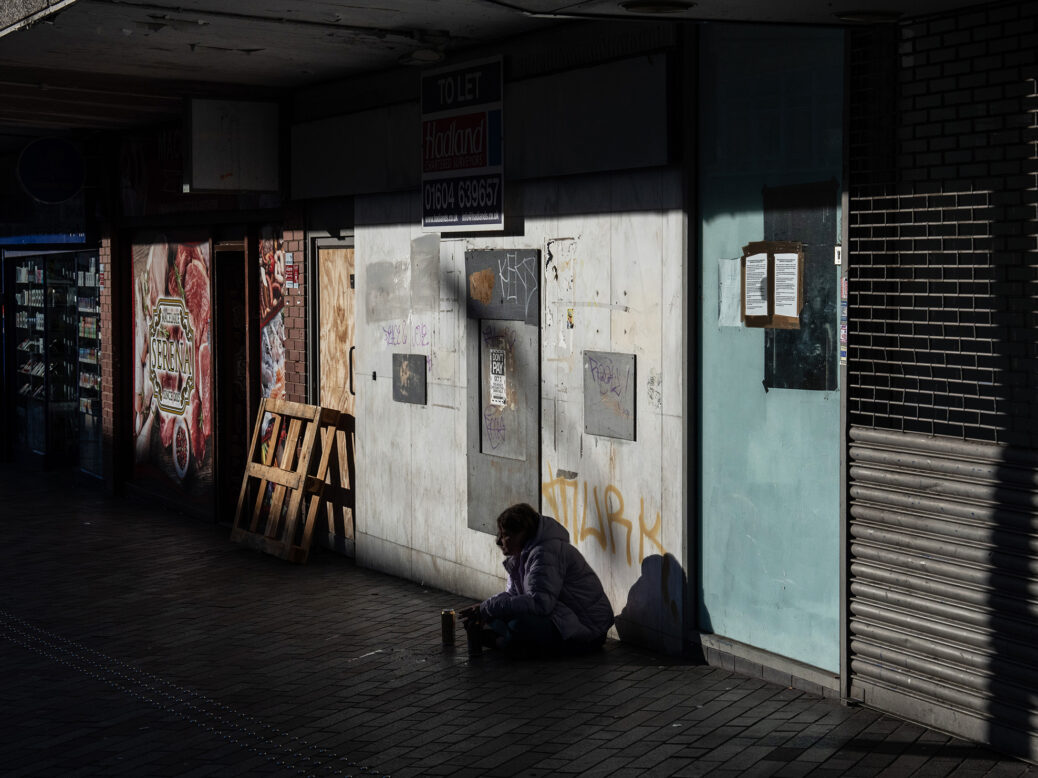
Andy Burnham’s first pledge as Prime Minister was to eradicate rough sleeping in England. To do this he has allocated an extra £340m of funding over the next three years, within the Ministry of Housing, Communities and Local Government departmental budgets. “We did it in the pandemic. We can do it again,” he told reporters.
During the Covid pandemic, the “Everyone In” policy asked local authorities to find safe emergency accommodation for all people sleeping rough and in places where they could not self-isolate. Evidence suggests approximately 15,000 homeless people were provided emergency accommodation. According to one study, the scheme saved an estimated 266 people from death.
But Burnham’s goal may not be achieved as quickly as he might hope. This week, at a report launch event hosted by the homelessness charity Crisis, Angela Rayner, was unable to confirm members of the public wouldn’t see rough sleepers in town centres this Christmas. “I’m not confident you won’t see any rough sleepers,” she said. “I’m confident that everyone will have an offer.”
The wording here is key. While the government intends to offer everyone who is rough sleeping the chance to be homed, it cannot force them to take it. “I can’t literally drag people off the street. But what we can do is make sure that people have an offer and have a route off the street,” Rayner added.
Despite the policy’s careful wording, if tents and sleeping bags are still visible after Christmas, the public will judge what is in front of them – and perceive it as a missed target.
As Greater Manchester mayor, Burnham’s A Bed Every Night scheme allowed all rough sleepers to access support – even those without local connections or recourse to public funds. But the official one-night count of rough sleepers in Greater Manchester has risen four years in a row, from 89 in 2021, 154 in 2024, to 197 in 2025. The Greater Manchester Combined Authority (GMCA) has previously claimed this could be attributed to increasing financial pressures for local authorities. Local media have claimed the Everyone In initiative during the pandemic may have kept numbers “artificially low”.
And when asked by reporters whether the “Everyone In” scheme will help those without recourse to public funds, she said: “We have to stick to what the legislation is about. We have to follow the law in regards to no recourse to public funds.”

The event was held to launch Crisis’s new report, warning the costs of homelessness to central and local government stands at around £5bn per year. An analysis of MHCLG data by Crisis found, out of this, £2.9bn is spent on temporary accommodation every year – a figure that rose by nearly a quarter from April 2025 to March 2026. “The most expensive thing this country can do about is what it does not – pay over and over. There are far better ways to spend public money,” the report notes.
It argues that instead, the housing secretary should push for more social homes to be built. Funnelling lots of vulnerable rough sleepers, many with complex needs, illnesses and addictions, into hostels and houses in multiple occupation (HMOs) often pushes people back into homelessness. “It might not be appropriate for them, it might be triggering for some of the other issues that they have. Somehow they just have to accept that that’s the offer. That’s setting people up to fail,” Rayner told the panel.
The report also calls for the housing secretary should look to uprate Local Housing Allowance (LHA) – a long standing ask by many policymakers in housing. Uprating it would prevent arrears, evictions, and homelessness. The Department for Work and Pensions (DWP) estimates returning LHA to its 30th percentile to £1.7bn by 2028/29, the savings generated by preventing homelessness would be even greater.
“It’s not a silver bullet to just increase local housing allowance,” Rayner told the panel. “You’ve got to fundamentally deal with the challenges of why housing costs have gone up so significantly, and then start to repair that.”
Burnham’s pledge will be judged on what people see on the street this Christmas, not on the offers made. Without more social homes and an uprated Local Housing Allowance, “Everyone In” risks repeating Manchester’s record of rising rough sleeping.
[Further reading: Andy Burnham’s ultimatum to the Greens has changed everything]
Content from our partners


Related
Join the debate
Subscribe here to comment