
Reform has been on a downward slope for the best part of 2026. It’s primarily a consequence of new voters turning out against them, rather than the party shedding support in the millions. (Even though one-in-ten of their base now say they would vote Restore.) The enthusiasm for “Brand Farage” has barely moved in more than a decade. Instead, it is the rest of the country which has turned against him.
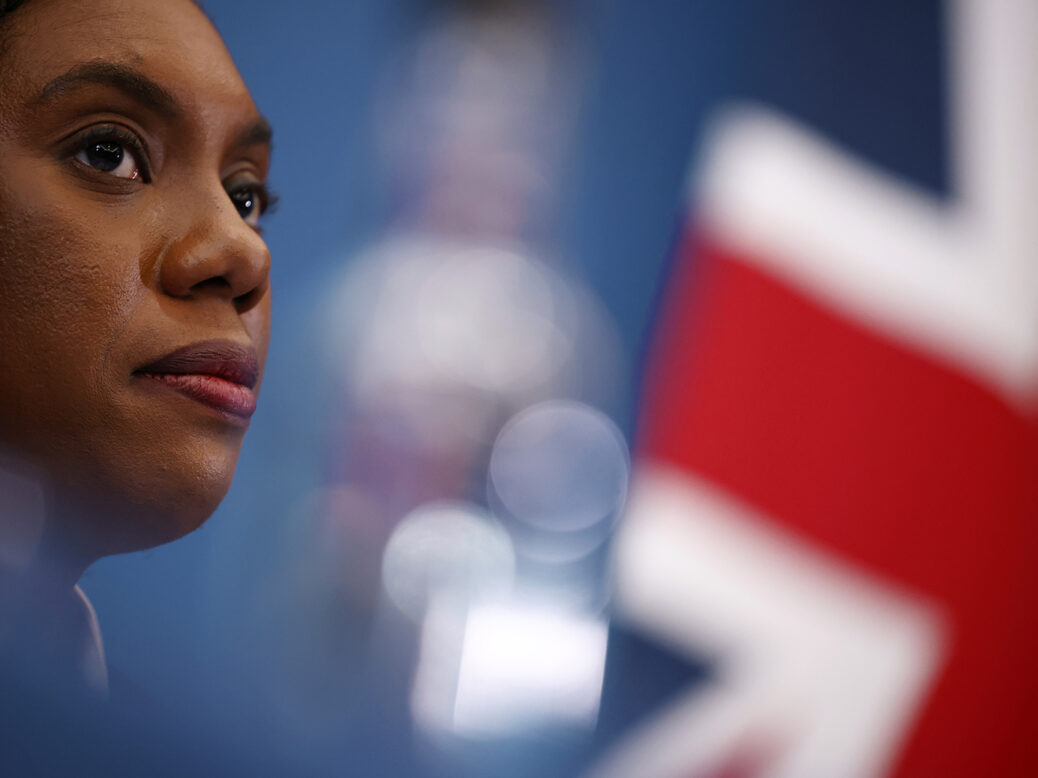
Against that backdrop, Reform falling behind the Conservatives in the latest YouGov MRP projection makes sense. Kemi Badenoch after all has had a pretty good year. Her favourability rating is up from 23 per cent at the start of the year to 33 per cent, and the Tories scored some pretty admirable advances in London in the local elections. That the Tory party is not in the low-teens can be attributed to Badenoch keeping it alive and kicking, however low it can (and may still go). All this means occasional polls and projections showing that the party is not dead yet are inevitable. But coupled with Reform’s fall, its success shouldn’t be overstated.
YouGov’s polling predicts 130 seats for the Conservatives, which is an improvement on the party’s 2024 total, but still far short of the heady days of Boris Johnson’s 2019 majority. Britain Predicts, however, projects just 80 seats for the Tories. Britain Predicts, unlike other pollsters, accounts for possible constituency-based tactical voting. And it’s in those Tory-Reform battlegrounds where the difference is greatest. Because elsewhere, for Labour, the Greens and the SNP there is remarkable harmony. (Though Britain Predicts does show the Lib Dems pushing 90 seats, whereas the pollsters project little change.)
YouGov’s own polling on how people would vote tactically finds fewer people in Tory-Reform battlegrounds voting Reform. Right now, in a hypothetical Tory-Reform fight, 20 per cent of respondents say they would plump for Reform as opposed to 35 per cent for the Conservatives. That figure for Reform is down 4pts on February, and likewise up four for the Conservatives. Yet, in the intervening months, we’ve had a slew of local elections in Tory-Reform areas (including in Kemi Badenoch and James Cleverley’s seats) where Reform has won. So, what gives?

YouGov’s polling shows a worse share for Reform than most other pollsters. Most pollsters show Reform in second, and in the low to mid-20s. It’s YouGov, and occasionally More in Common, that put Reform in third and at the lower end of our poll-tracker. You can make two stabs as to why. The first is YouGov’s panel of very online people often filling out surveys may be more awake to the news, and higher attention voters may (at least in this period of time) be less inclined to go Reform. The second is YouGov and More in Common may be more harsh on turnout assumptions from traditionally low-propensity (ie Reform leaning) voters. It’s a risky assumption, given Reform wins in recent years have come off the backs of increased turnout. What we are quibbling over here is whether Reform is 20 per cent or 24 per cent.
So while YouGov’s “Reform in third” is a left-field projection, in data terms it is only a margin of error away. And in this multi-party system, where the big three parties are only a few percentage points away from each other, that margin makes all the difference.
[Further reading: Andy Burnham seizes control]
Content from our partners


Related


Join the debate
Subscribe here to comment