
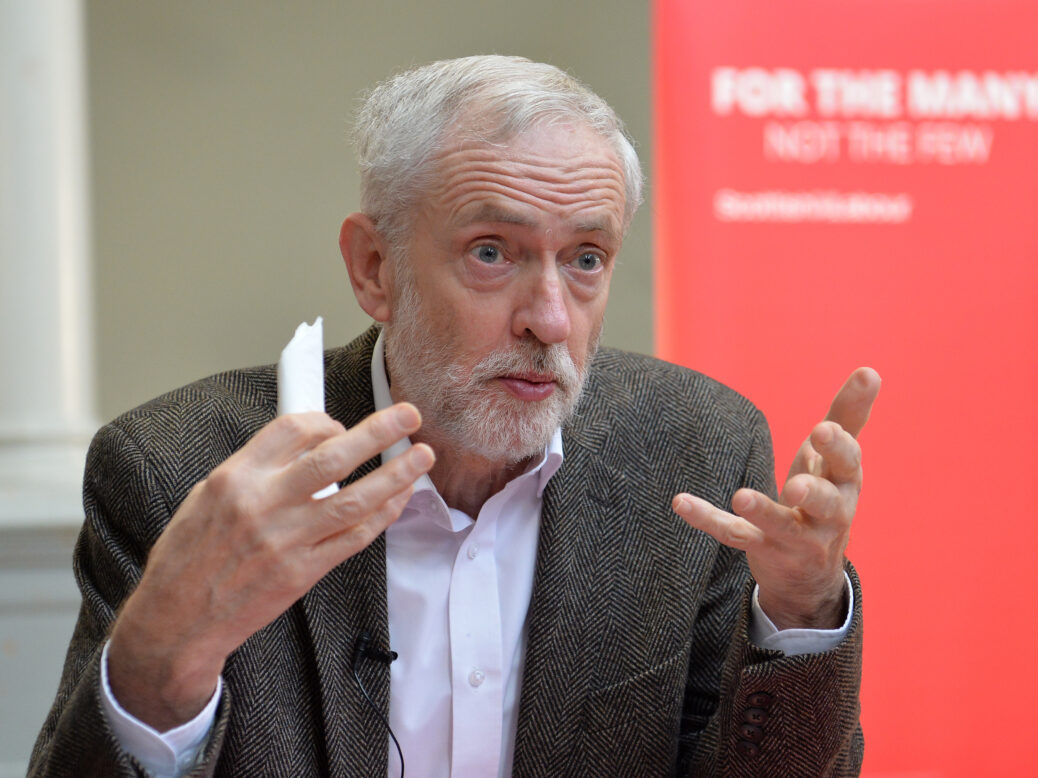
When is a confidence motion not a confidence motion? That’s the question at the heart of Jeremy Corbyn’s latest procedural gambit: a motion of no confidence not in the Conservative government as a whole but in Theresa May as Prime Minister personally.
Unlike a full-blown motion of no confidence in the government itself, this would not trigger an election, does not contain any legal mechanism to compel May herself to resign, and the government is not obligated to find time in the legislative timetable for it – so any vote on May’s premiership will have to wait for Labour’s next opposition day debate, currently scheduled for some time in 2019, likely after the vote on the withdrawal agreement in any case.
It all comes back to Labour’s Brexit policy passed at conference – which you can read in full over at LabourList – but the relevant section is this one:
“Should parliament vote down a Tory Brexit deal or the talks end in no deal, conference believes this would constitute a loss of confidence in the government. In these circumstances, the best outcome for the country is an immediate general election that can sweep the Tories from power. If we cannot get a general election Labour must support all options remaining on the table, including campaigning for a public vote.”

The line from the Labour leadership is that that means that support for another referendum doesn’t automatically follow from the failure to trigger an election. The line, both from the various pro-European parties looking to take votes from Labour and pro-Europeans in the parliamentary Labour party and Labour movement is that the table is awfully bare.
And that’s the real point of all of this as far as the Labour leadership is concerned: to find ways to increase the number of options on the table in order to avoid committing to any Brexit end state until the politics become less painful.
Content from our partners


Related



Join the debate
Subscribe here to comment