
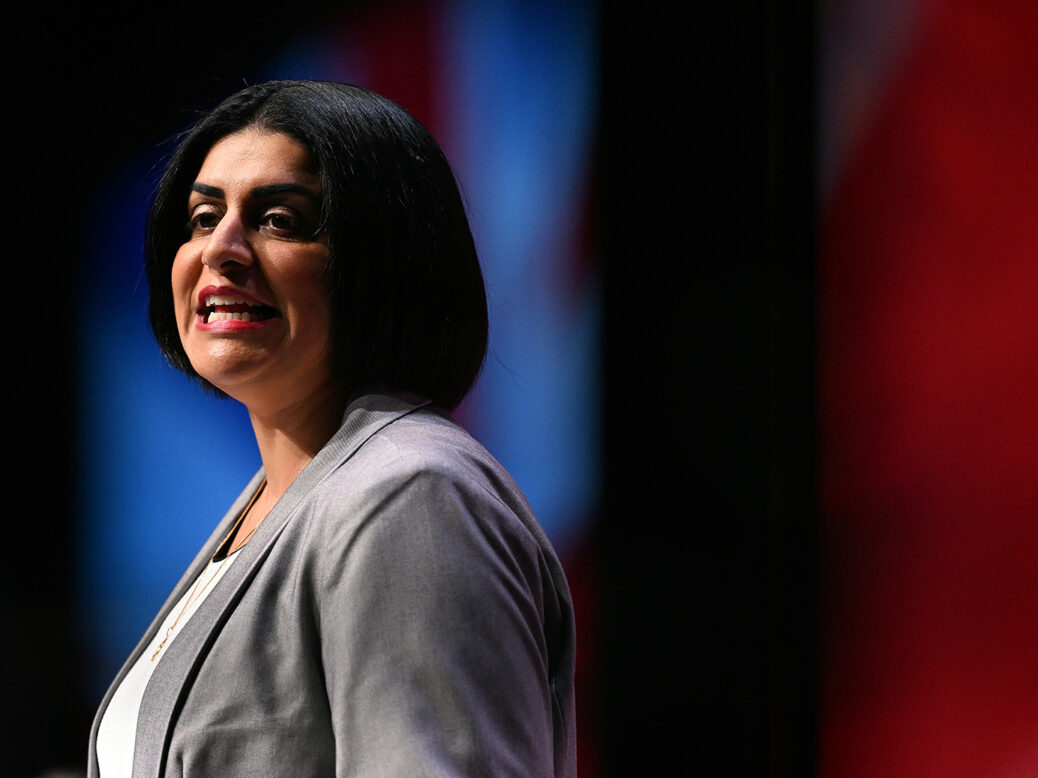
The British public have long wanted a heavy-handed approach to immigration. So Home Secretary Shabana Mahmood’s new immigration proposals – making it harder for all but care workers to qualify for indefinite leave to remain (ILR) – should be fairly popular. Back in 2016, the Brexit vote was largely driven by a desire for border control. In the years since, surging net immigration numbers have only hardened attitudes. However the question is phrased, when asked, voters always want stricter controls.
Anti-immigration sentiment has grown over the past ten years. Whereas in 2016 voters were fairly mixed on the impact of immigration, in 2026 as almost half say immigration has been bad for Britain. Only a fifth speak for immigration in the positive. And just 5 per cent of voters say recent immigration has had no negative effects – while 15 per cent say there are no positives, up from 10 per cent before the pandemic. As many as three in ten people think the masked men who demonstrated in Dover and Portsmouth in September were participating in a legitimate form of protest against small boats. The country is being radicalised.
However, excluding the Covid years, net migration today is at its lowest level since 2012. Forecasters predict it will fall to levels closest to the “tens of thousands” David Cameron promised more than 16 years ago. Mahmood’s rule changes on ILR – increasing the qualification period from five to ten years for most migrants – may discourage further migration.
But the policy comes with risks. Like it or not, immigration is a significant driver of the UK’s economic growth. Voters may not appreciate the economic downside of immigration restrictions. International students generate more money than they cost, to the tune of £40.4bn over the course of their studies. The number of people who come from abroad study is already down by almost 40 per cent on 2023. Just 23 per cent of Britons tell pollster YouGov they want to see these numbers further cut. Meanwhile, 43 per cent who want present numbers to continue, and 23 per cent want more of this group.

Mahmood also wants to make it easier for those who earn in excess of £125,000 to live, work and settle in Britain. This would likely be backed by the more than two-thirds of voters who want more (or the same number) of affluent people coming to the country.
Those earning under £50,000, meanwhile, will need to wait ten years until they can apply for settlement – and by extension, welfare. Welfare sits high in the minds of most voters. More than half cite it as the most negative impact of immigration: “people coming here to claim benefits for them and their families”.
Not everyone in Labour is happy about these policies. Angela Rayner has called the proposed changes “un-British”, and even Andy Burnham found it “difficult to say” whether legal migration is too high. Mahmood might have read the public mood correctly – but has the rest of her party?
[Further reading: Shabana Mahmood’s new immigration rules]
Content from our partners



Related


Join the debate
Subscribe here to comment