
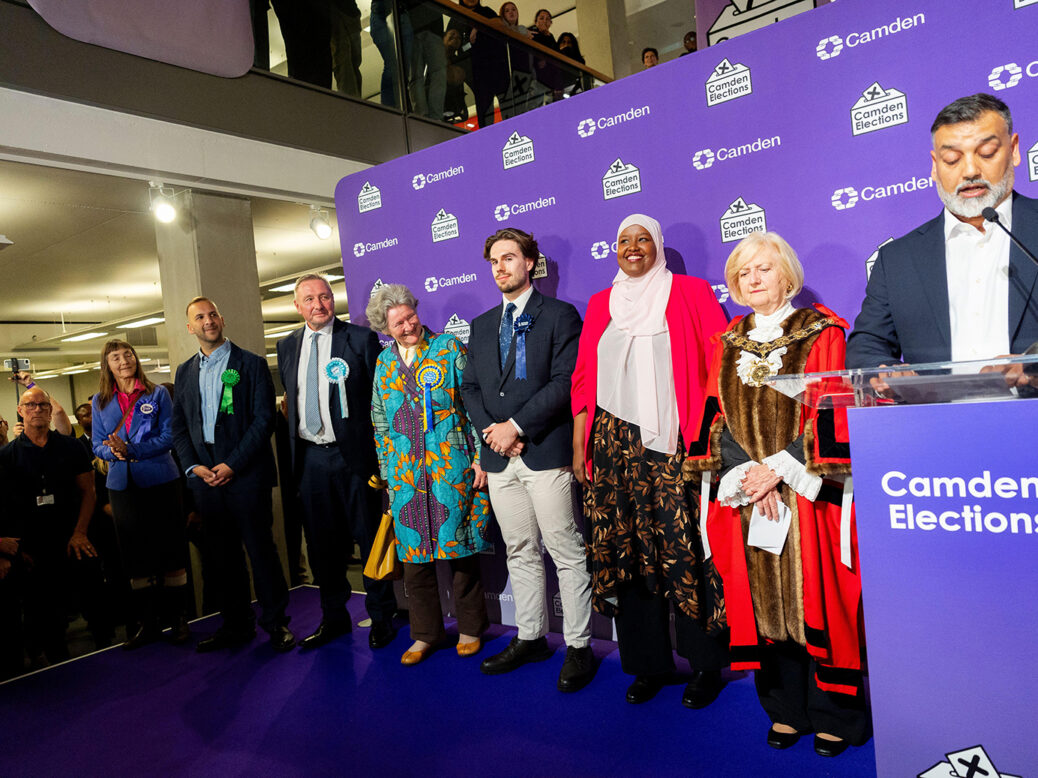
Six months ago, Zack Polanski could have won. Holborn and St Pancras wasn’t the most favourable ground for the Greens in Greater London. But it wasn’t far off. It is more than 20 per cent Muslim (a demographic among whom the Greens have outsized favourability), on average it’s a younger seat than most and, in the local elections in May, a combined Green and pro-Gaza set of candidates came close to beating Labour. A by-election here, made available by a resigning Keir Starmer, should have been perfect for Zack Polanski.
But it wasn’t to be. Britain Predicts said Labour would hold Holborn and St Pancras by 5pts. They held it by 12pts. The Greens got 33 per cent, which is as forecast at the start of September. Labour meanwhile got 45 per cent, 7pts better than the 38 per cent we said. Voters were squeezed. Voters rallied. And Labour benefitted. The question is who is the most to blame: Zack Polanski or Andy Burnham?
The Greens lost for multiple reasons. But I hasten to emphasise that this is not a fatal defeat. The most important takeaway of this result is that while the tide is out for the Greens today, it is not out forever. And it has never been easier for it to come back in than now. Favourability towards the Green brand remains high even among Labour supporters. Zack Polanski’s personal approval ratings may be down considerably, but more than half the Labour base (52 per cent) feel positively about the Green Party, whereas just 37 per cent feel otherwise. (It should be noted, meanwhile, that 48 per cent of Green supporters do not like the Labour brand.)
The left vote in Britain is more fluid than ever before, less loyal and tougher to track than at any point in living history. Gone are the tribal loyalties where party voting was almost hereditary. That taboo has been broken, and the Greens have appeal and an audience. But it’s a fluid one. Labour’s strategists know this. In February, they knocked on the doors of thousands in Gorton in Denton on polling day who only a week or so prior were telling canvassers with straight faces they would stay Labour. On the day, with venom, they came out for the Greens. This is our new normal.

The reason for Labour’s recovery in Holborn seven months on was two-fold. Firstly, the Labour brand today is not as toxic as it was during the Gorton and Denton vote. Fewer voters were motivated to come out specifically against Labour. In fact, the Labour brand is the healthiest it’s been since securing its landslide election victory in the summer of 2024. And secondly, the Green brand is more toxic than it used to be, meaning more voters turned out against the Greens than for it – or, indeed, for Labour.
This is the result of a punishing few months for the Greens, even before the controversial “Zionism is racism” motion at their party conference. Brand Polanski is underwater, except among the young – the least reliable voting demographic. Among the over-65s, he is liked by less than one in ten voters – below even Jeremy Corbyn. Brand Polanski has become toxic outside certain bubbles. The question in Holborn is this: is this result a product of the Burnham Bounce; or is there, actually, a genuine and growing toxification towards the Green brand?
The answer is yes – on both counts. The problem for the Greens is their base is split on Labour. And their most difficult problem is that their prospective voters are currently warm towards Labour. That’s not a formula for victory, but for supressed turnout. It’s not a permanent state of affairs, and it may yet change in the next six months should the country cool on Andy Burnham. But it’s a key part of the reason the Greens lost in Holborn and St Pancras. The Green brand is down. And it was falling long before the mayor of Manchester came on the scene.
[Further reading: Zack Polanski will have questions to answer]
Content from our partners



Related
Join the debate
Subscribe here to comment