
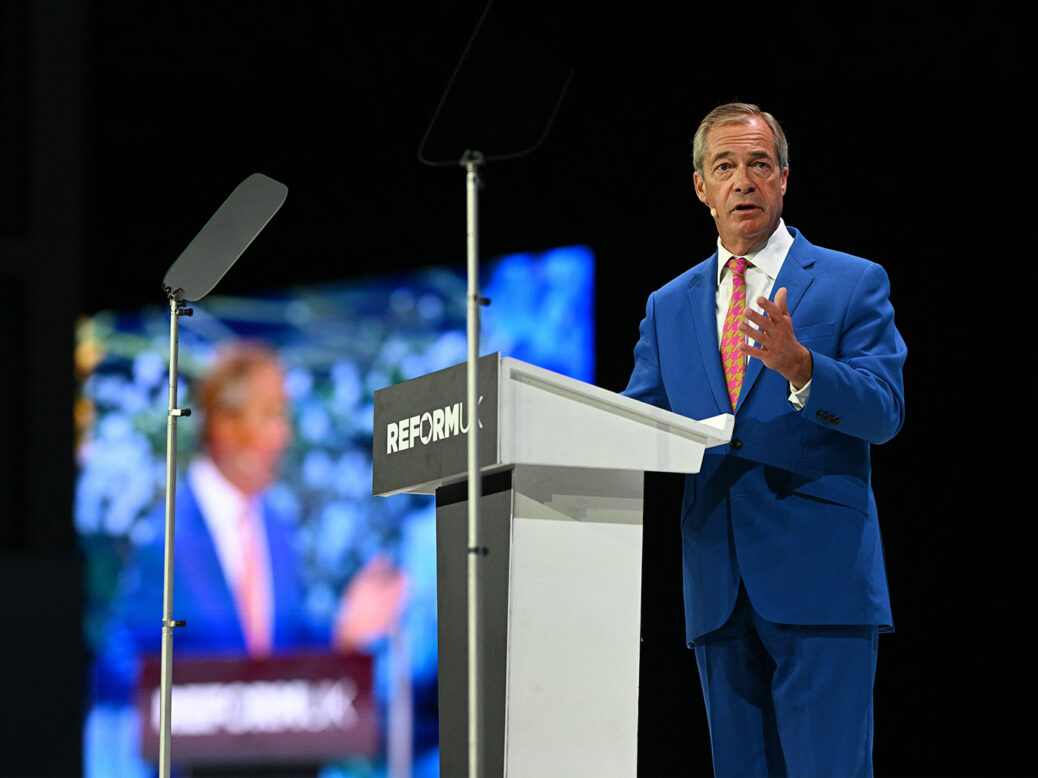
At Reform Party Conference this month, the only subject journalists wanted to talk about was the donor scandal. The day before the conference began, Channel 4 broadcast a documentary in which reporters secretly filmed senior party staffers apparently suggesting ways for a would-be foreign donor to get around electoral law. Two key Reform figures – James Orr and Dan Jukes – stepped down. The Metropolitan Police has now launched a criminal investigation over allegations the party broke foreign funding laws.
Is this fatal for Reform in the polls? Not yet, but it has made an impact. Freshwater Strategy polling for City AM finds 70 per cent of voters are aware of the allegations. Almost half of those say they have noticed “a lot” about it.
Yet the people most bothered by the allegations already don’t support the party. Seven in ten Reform voters say that allegations of corruption are exaggerated, while 81 per cent of them say that whatever Reform does is no worse than the rest.
But scandals like this can slowly chip away at a party’s popularity. Reform appears to have reached its peak. In 2025, the party was odds-on to sweep the country and send Nigel Farage to Downing Street. It reversed Tory and Labour majorities in local council elections, and in opinion polls Reform hovered between 25 per cent and 30 per cent of the vote. In our era of five-party politics, that’s enough for a majority.

Today, Reform polls between 20 per cent and 25 per cent. This is less a consequence of the party losing voters, and more a consequence of other parties winning over people with anti-Reform sentiments. Last year, forecast models suggested Reform would likely get around nine million votes. Today my model predicts between seven and eight million. But there is a much bigger uplift in turnout for everyone else.
This anti-Reform surge is partly driven by Labour’s new, popular Prime Minister. But it’s also because of Farage’s own toxicity. Between a quarter and a fifth of voters say they like Farage – a statistic that has barely changed in the past decade. The real change is those voters who didn’t feel strongly, and now say they dislike him. These are the voters who stayed at home in 2019 because they disliked Jeremy Corbyn, but turned out for Keir Starmer, even if they didn’t particularly like him. They just thought the other parties were worse.
The Freshwater polling proves this. Former Tory voters who were considering Reform are turned off by this kind of scandal. Freshwater finds that 60 per cent of the 2024 Tory base now say these donation stories for Reform are a real problem, while 38 per cent say it makes them less likely to back Brand Farage.
Elsewhere, the shifts are starker. A year ago, 20 per cent of people who sat out the 2024 election said they would vote Reform. The most recent poll has it at 12 per cent – an eight-point fall.
If a parliamentary election was held tomorrow, Reform would still pick up well over 100 seats, even with expert progressive tactical voting. But a comfortable majority no longer looks likely. Reform can win back some uncertain voters – but its peak has come and gone.
[Further reading: Nigel Farage is not a Nazi]
Content from our partners



Related


Join the debate
Subscribe here to commentWe gotta hope! Another factor that may have an impact is that “small boat” immigration is declining. It still hits the headlines when there’s a specific incident, but that’s less often. And threatening to prosecute the RNLI volunteers has gone down like a lead balloon.
Good to see! But let’s not imagine that we can ignore the issue of immigration which Reform UK majors on, however uncouthly.
Incidentally, I don’t see any mention of Restore Britain in the figures quoted to compare 20204 with today. While it’s technically correct that Restore supporters are not Reform UK supporters, they are surely a reservoir of potential tactical voters for Reform UK ?
You would think! But in the Greater Manchester mayoral by-election that didn’t quite happen…